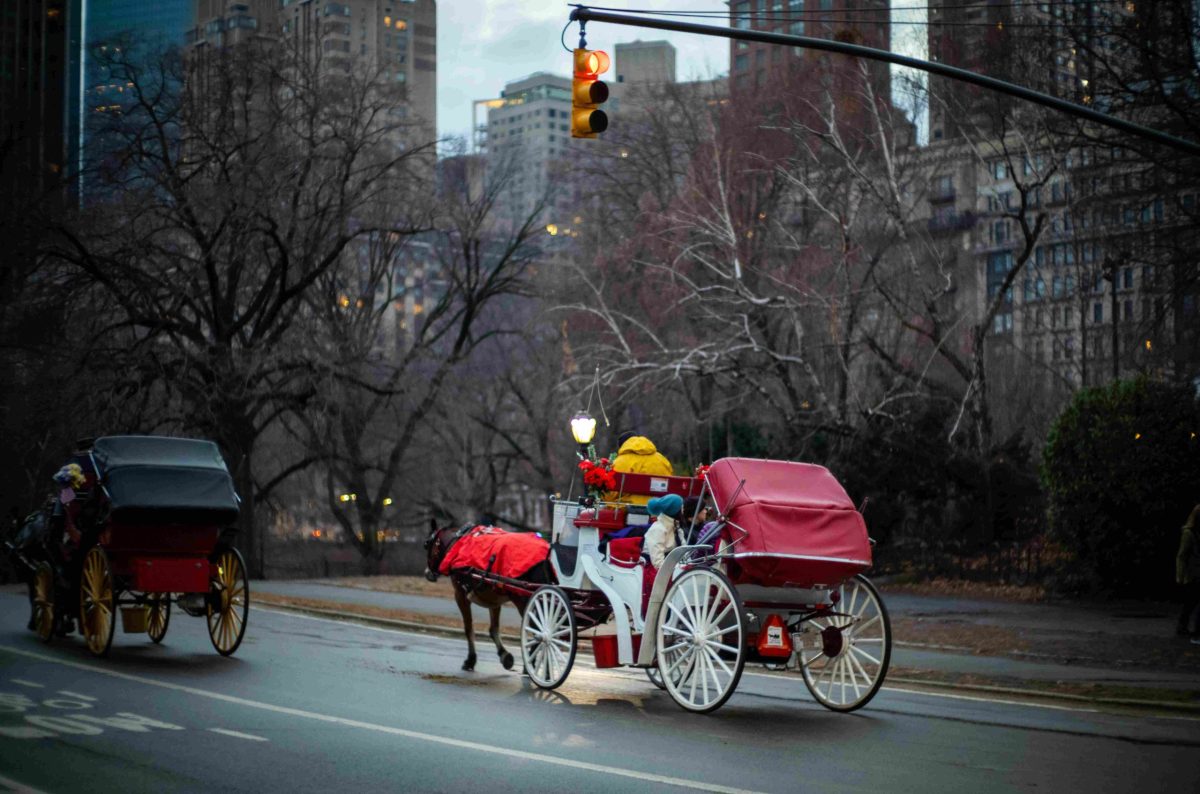
New York City's horse-drawn carriages, a staple of Central Park for over 160 years, are officially on borrowed time. On October 22, 2026, the City Council voted 40 to 7 to phase out the industry by June 2028. The legislation, named Romanch's Law, now heads to Mayor Zohran Mamdani, who has already voiced support for the ban. If signed, the horses will disappear from the park's paths and city streets, ending a tradition that has appeared in countless films and TV shows.
The decision follows a tragic incident in June 2026, when 18-year-old tourist Romanch Mahajan was thrown from a carriage and killed after the horse bolted. His family attended the council hearing, and Speaker Julie Menin said the law would ensure he was "the last soul that we lose to this industry." The accident was just one of several recent incidents, including a horse named Destiny running into traffic and a driver hospitalized after a collision. The Central Park Conservancy reported seven horse-related incidents in 13 months and backed the ban as a public safety measure.
Animal welfare has been at the heart of the debate. According to the Manhattan Borough President's office, 40 horses have died since 1982, from overheating and collisions. Horses can currently work up to nine hours a day, waiting at park entrances between rides. Animal rights groups like PETA have long campaigned against the practice. Drivers, however, insist their horses are well cared for. Alexus Lawson, a driver of six years, asked, "What am I supposed to do with my horse?" She described Mahajan's death as tragic but questioned why the industry is allowed to continue until 2028 if it's unsafe. Fellow driver Medet Fidan added, "I spend more time with my horses than my wife and my kids."
The transition period is designed to give drivers time to find new work. The city must develop a plan by April, including job placement, training, and possible compensation for operators. But the Transport Workers Union, which represents drivers, says the legislation doesn't guarantee compensation and has threatened legal action. The union's lawyer said it would seek a restraining order "the minute the ink dries." The law also prohibits selling horses for slaughter, and owners would be allowed to keep their animals, though funding for their long-term care remains unclear.
For travelers, the next 18 months offer a last chance to experience a ride that has been a symbol of New York romance. The carriages have appeared in everything from Barefoot in the Park to Sex and the City, and for many visitors, a clip-clop through the park is a bucket-list moment. But the industry's days are numbered, and the city is moving toward a future without them.
If you're planning a trip to New York before the ban, you might want to book a ride sooner rather than later. But if you're more interested in the horses themselves, consider checking out The Golden Horse That United 300 People Across Borders for a different kind of equine story. And for a look at how other cities are rethinking tourism, Europe's Parliament Just Voted to Save Tourism From Itself offers a fascinating parallel.
The debate over the carriages is far from over. The union's legal challenge could delay the ban, and the fate of the horses remains uncertain. But one thing is clear: the era of horse-drawn carriages in Central Park is ending. The vote marks a major shift in how the city balances tradition with animal welfare and public safety. The ban takes effect in June 2028, giving everyone time to adjust. For now, the horses still trot, the drivers still wait, and the debate continues.
Whether you see the carriages as a charming relic or an outdated practice, their departure will change the face of Central Park. Travelers have until 2028 to experience this piece of New York history, but the city is already looking ahead to a future without them.