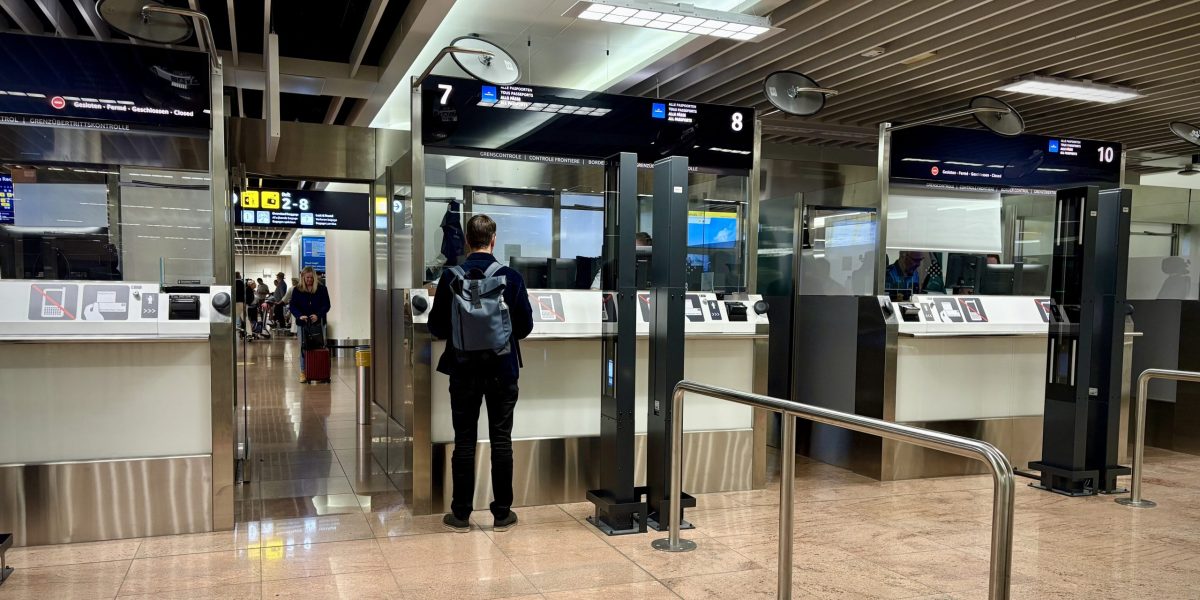
Europe has a trick up its sleeve that few other destinations can match. One trip can hop between countries, cultures, and economies without breaking a sweat. But for travelers who need a visa, the adventure starts long before the plane takes off. It starts at a consulate, and that first impression can make or break a journey.
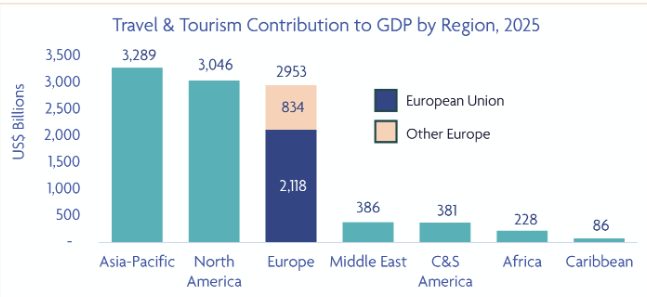
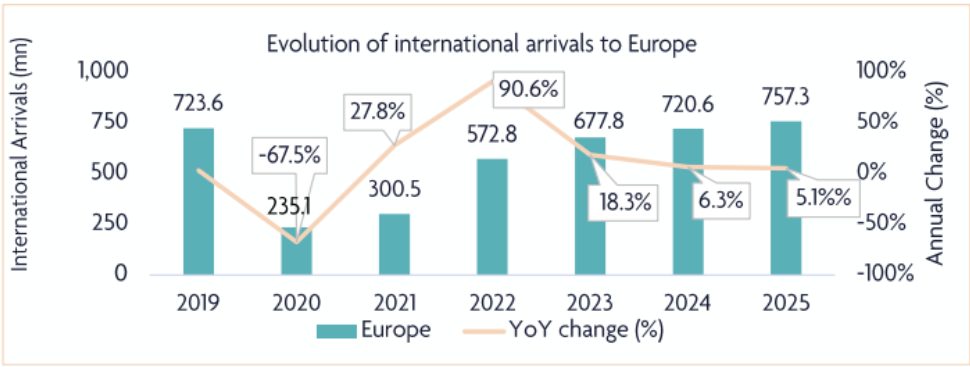
The numbers are staggering. According to the World Travel & Tourism Council's October report, Europe welcomed 757.3 million international overnight arrivals in 2025, a whopping 49.1% of the global total. Those visitors dropped $835 billion across the region. The demand is clearly there, but the administrative side is struggling to keep up.
The Visa Bottleneck
European Commission figures show that EU and Schengen-associated consulates received over 12 million short-stay visa applications in 2025, up 4.3% from the previous year. That's a lot of paperwork. While applications are recovering, they're still below the 17 million seen in 2019. The gap could be due to geopolitics, flight connections, or just plain hassle. But it's a sign that the system needs a closer look.
The Commission's 2026 visa strategy already points the way. It calls for more predictable travel, digital applications, and multiple-entry visas with longer validity. These aren't just nice-to-haves. They're tools that can boost tourism and business without compromising security. The economic stakes are huge, with international tourist spending in the EU hitting €515 billion in 2024.
Repeat Visitors Are the Key
Think about the traveler who's been to Europe once and wants to come back. In 2025, 5.3 million Schengen visas allowed multiple entries, about 51.7% of all visas issued. For someone with a clean record, a longer-validity visa makes that second or third trip a breeze. That matters for a conference organizer inviting returning delegates, a company setting up meetings across several markets, or a family planning another holiday.
Member states should use the flexibility they have for reliable applicants. A lawful travel history should mean faster processing, not another round of hoops. But predictability also requires better measurement. The Commission says the normal processing time is 15 days, with extensions up to 45 days. But for the traveler, the clock starts when they try to book an appointment. Governments should measure the whole journey, from appointment availability to passport return. Publishing comparable data would help identify where extra staff or better scheduling could make a difference.
Digital Dreams and Real Bottlenecks
Digitalization could be a game-changer, but only if it simplifies the process. An online application should cut duplication, give clear info, and let applicants track progress. But consulates need the capacity to handle the influx. A slick interface can't fix an administrative bottleneck behind the screen.
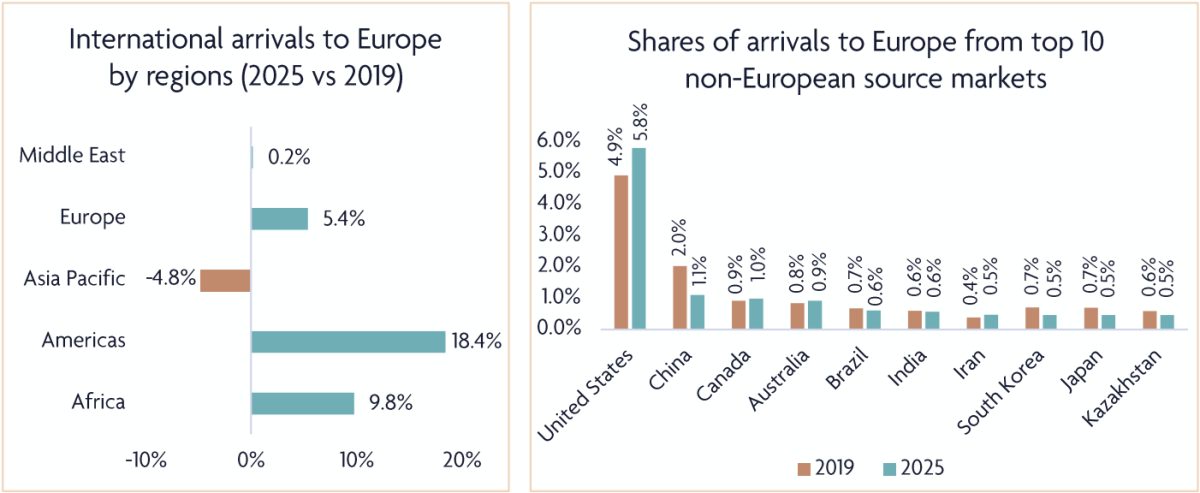
There's also the bigger picture of market diversification. WTTC reports that 74.3% of international arrivals to Europe in 2025 came from within Europe. That's great for regional travel, but there's room to grow demand from farther afield. Tourism authorities should coordinate campaigns in visa-required markets with consular planning. Before launching a big promotion, they need to know if the application system can handle the interest.
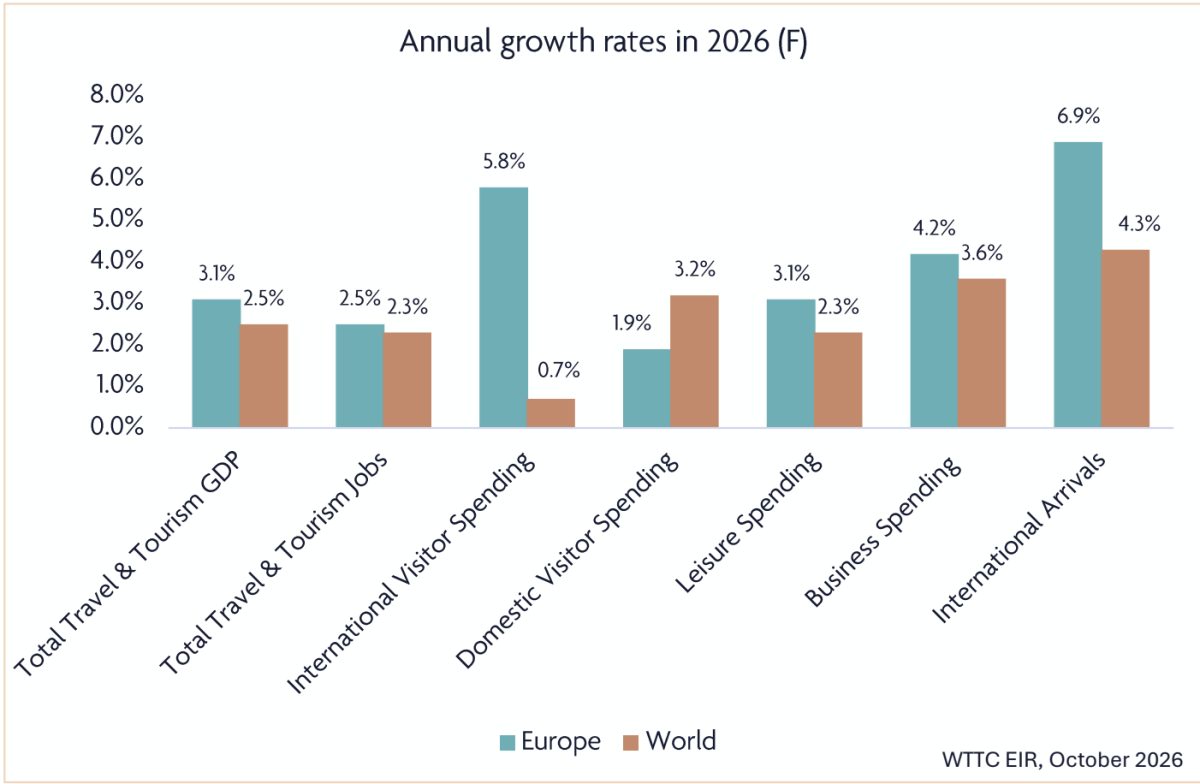
Airlines, destinations, and conference organizers can share demand forecasts, but decisions on individual applications must stay with the authorities. And let's not forget that easier travel doesn't solve overcrowding or housing pressures. Entry policy should work alongside destination management and transport investment. The goal is to spread the economic benefits across more communities, with local capacity guiding growth.
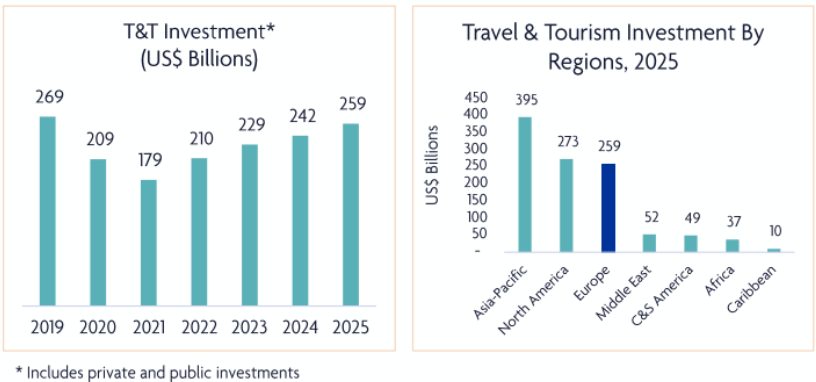
Europe already has the appeal. The opportunity now is to make the administrative journey match the quality of the destination. A secure, consistent, and predictable visa process would strengthen Europe's offer and give businesses a firmer foundation to invest. For travelers, it could mean the difference between a one-time visit and a lifelong love affair with the continent.
For more on how Europe is handling travel trends, check out Europe's Autumn Bookings Are Holding Firm Even as Wanderlust Wavers and Brussels Is About to Host the World's Most Important Tourism Meeting.