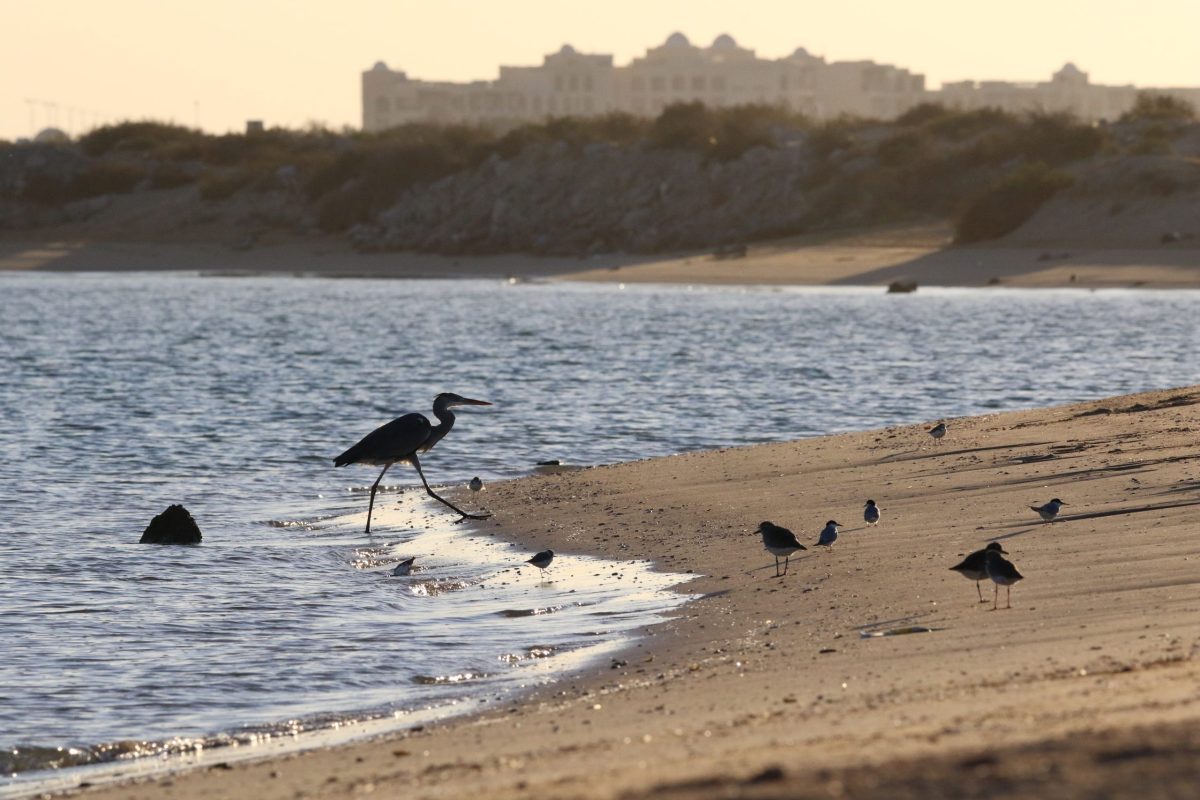
Sun-seekers in the United Arab Emirates have hit an unexpected snag. Over the weekend of October 24 and 25, 2026, authorities shut down beaches across three emirates after an offshore oil spill spread across roughly 160 square kilometers of the Gulf. The closures, described as precautionary, affect Umm Al Quwain, Sharjah, and Ras Al Khaimah, with Al Hamriya Beach in Sharjah and all beaches in the other two emirates now off-limits until further notice.
The UAE Ministry of Climate Change and Environment (MOCCAE) confirmed that the strange fuel smell residents reported was indeed from oil pollution. But officials were quick to reassure the public that the odors pose no health risk. Cleanup crews and containment teams are already at work, and the ministry says it is coordinating with local and federal authorities to limit environmental damage. For now, the message is simple: stay off the sand, and fishermen should avoid casting lines in affected waters.
What Caused the Spill
While the exact source of the spill had not been officially confirmed at the time of writing, maritime analysts point to the supertanker Gem No. 2, a Panama-flagged vessel managed in Taiwan. That ship was struck by an unidentified projectile on October 9, about 13 nautical miles west of Al Jazeera in the UAE. Footage released by Iran's Revolutionary Guard showed the very large crude carrier burning, though all 22 crew members were safely rescued by the UAE Coastguard. The incident has raised alarms given the ongoing conflict involving the United States, Israel, and Iran, and the heightened risks to shipping in the Strait of Hormuz.
Impact on Travel and Tourism
Beyond the immediate beach closures, the spill threatens desalination plants that supply much of the UAE's drinking water, as well as coastal industries and ports. For travelers, the bigger picture is the potential hit to the region's tourism ambitions. Ras Al Khaimah, for instance, is home to several premium beach resorts, and Wynn Resorts is building a casino resort on Al Marjan Island, with an opening previously slated for early 2027. The fallout from the regional conflict could also affect Gulf efforts to diversify away from fossil fuels and grow their travel sectors.
If you have a trip planned to the UAE, keep an eye on official channels. The closures are temporary, but the timeline depends on how quickly the cleanup progresses. For now, travelers heading to the affected emirates should check with their hotels or local authorities before hitting the coast. Meanwhile, other parts of the Gulf are feeling the strain too. Saudi Arabia has postponed several international events, including its Future Investment Initiative conference and the Six Kings Slam tennis tournament, and its round of the World Rally Championship has been cancelled. Riyadh's King Khalid International Airport has partially reopened after missile strikes by Yemen's Houthi rebels, but some airlines have suspended services, so it's wise to verify flight status before heading to the airport.
For those still dreaming of Gulf beaches, the situation is a reminder that even paradise can be fragile. If you're looking for alternatives, consider destinations with strong environmental track records, like Brazil's Blue Flag beaches, which just hit a record 75. Or explore quieter shores, such as Tenerife's La Laguna, which recently made its beaches a lot quieter. And if you're flying to the region, check the latest on British Airways' Abu Dhabi flights, which are on hold until late 2027.
The UAE government has pledged to keep the public updated as assessments continue. In the meantime, the advice is to rely on official sources and avoid spreading rumors. The beaches will reopen, but when they do, the priority will be ensuring they're safe for both people and marine life.