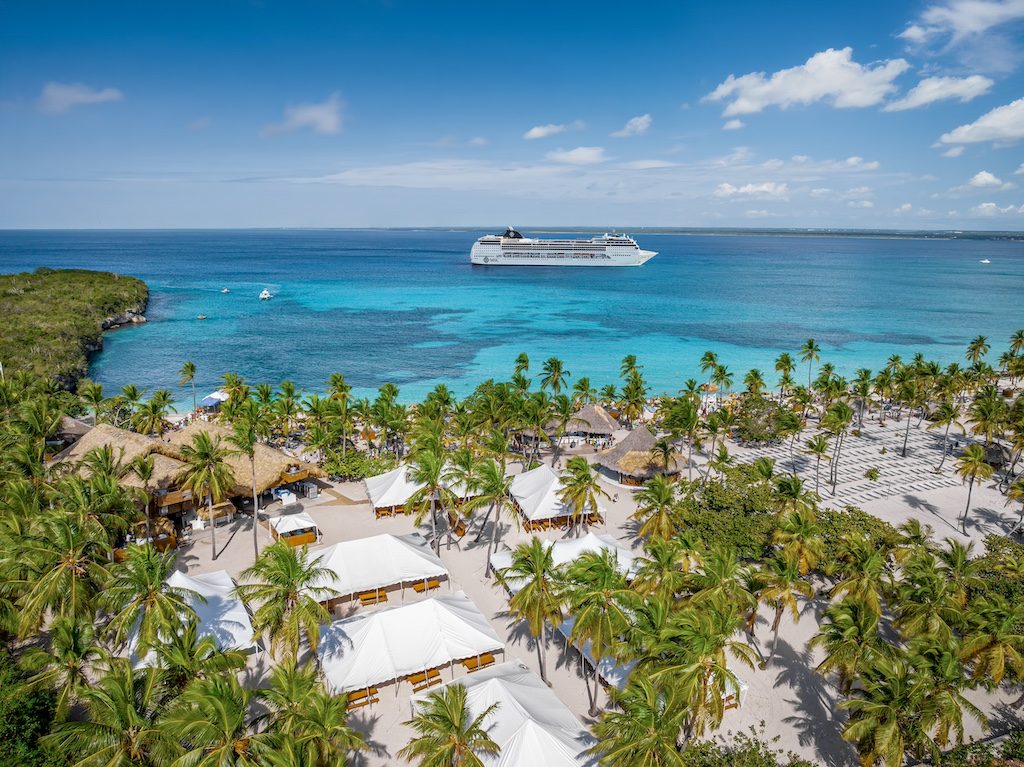
The Caribbean cruise circuit just got more interesting. MSC Cruises is opening Catalina Sugar Beach in November 2026, a significantly upgraded beach destination on Catalina Island near La Romana, Dominican Republic. This isn't just a fresh coat of paint on an old property. It's a full reimagining that signals MSC's serious commitment to establishing the island nation as a premier cruise hub.
Here's what makes this timing significant: when Catalina Sugar Beach opens, MSC Opera will begin year-round weekly sailings from La Romana for the first time. Every sailing includes a stop at the island. Passengers can book seven-night itineraries out of the Dominican port, or combine two cruises into a 14-night "butterfly" route through the Southern Caribbean. The Dominican Republic has been aggressively courting European travelers and investment, and this partnership with MSC represents exactly the kind of infrastructure push the government has been championing.
What's Actually New Here
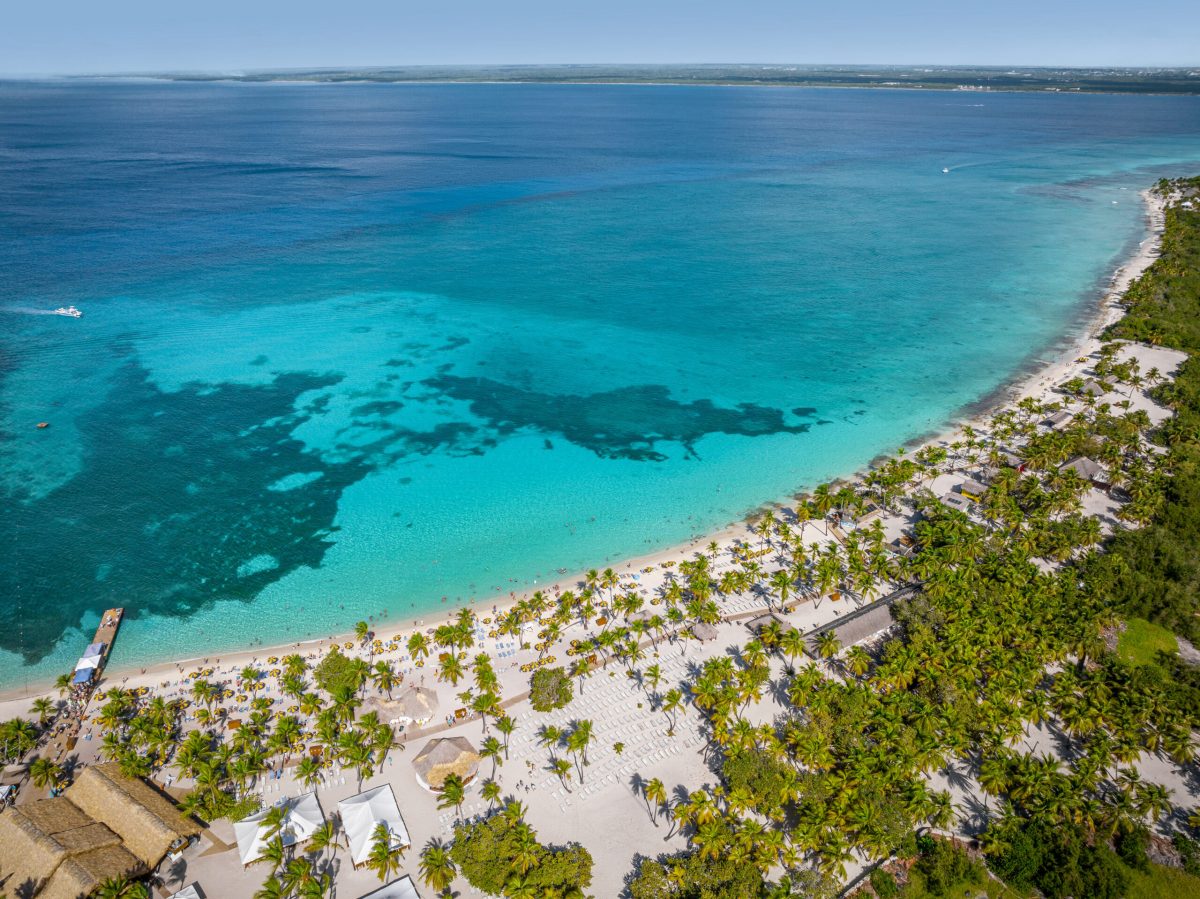
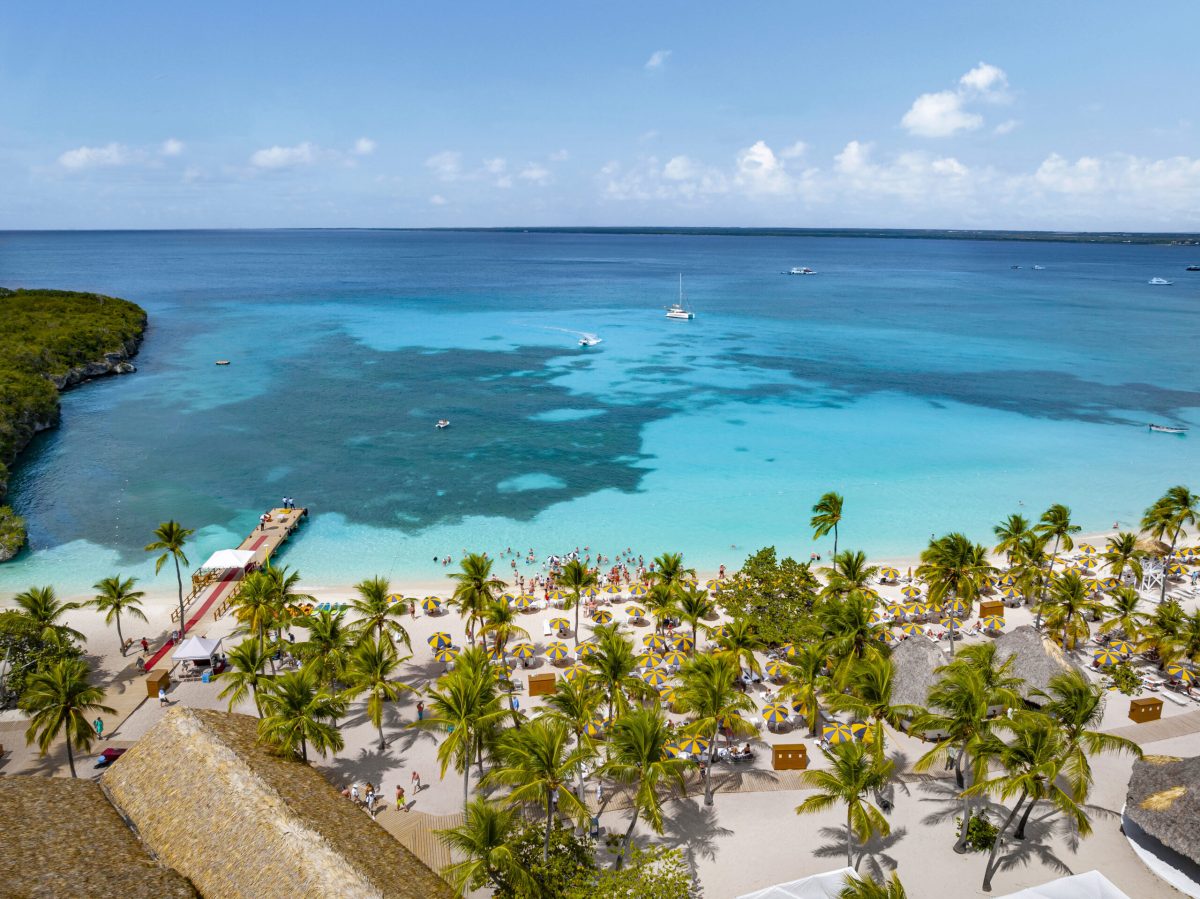
Catalina Island sits within a protected natural monument, so any development had to balance modern convenience with environmental preservation. The redesigned destination includes a sprawling open-air beach pavilion serving both Caribbean specialties and international fare, shaded eating areas with sea views, two full bars, and significantly upgraded changing facilities and showers. For those seeking privacy, private cabanas and daybeds are available for rental.
A new walking trail winds through the island's vegetation to a viewpoint with interpretive panels about native tree species and local biodiversity. Water sports enthusiasts can rent equipment directly at the island's new water sports center. It's the kind of layered experience that appeals to cruise passengers who want options, whether they're looking to relax under an umbrella or actually do something.
The Excursion Menu Beyond the Beach
MSC is rolling out a fresh batch of shore excursions centered on the island and surrounding region. Catamaran coastal cruises let visitors explore the water. Snorkeling trips cater to those wanting a closer look at the marine life. Nearby Saona Island is reachable by boat for a day trip. On land, the Cave of Wonders and Altos de Chavón (a Mediterranean-style village overlooking the Chavón River) round out the options. The strategy here is clear: position Catalina Sugar Beach as a premium Caribbean beach stop with substance beyond sand and umbrellas.
The cruise partnership makes sense when you consider that MSC Cruises, Explora Journeys (a newer ultra-luxury brand under the MSC umbrella), and guests at the Casa de Campo Resort & Villas all have access to the destination. CTL Maritime and Casa de Campo Resort & Villas operate it, creating a seamless connection between cruise passengers and land-based travelers.
Timing Aligns With Bigger Regional Momentum
The Dominican Republic has positioned tourism as a cornerstone of its economy. Government representatives have been actively promoting the country across Europe, seeking investment in infrastructure, logistics, and renewable energy alongside tourism expansion. This beach destination is part of that larger strategy to diversify beyond the typical all-inclusive resort model that dominates Caribbean tourism.
For cruise lines, establishing reliable Caribbean hubs means more predictable itineraries and passenger options. La Romana, with Catalina Sugar Beach as a dedicated stopover, gives MSC cruisers something most competing itineraries can't easily replicate. It's not just another port call. It's a curated destination with infrastructure built specifically for the cruise market.
If you're planning a Caribbean cruise in late 2026 or beyond, keep an eye on MSC Opera's La Romana sailings. The combination of year-round scheduling, premium beach amenities, and a menu of water-based excursions suggests this could become a popular routing quickly. The Dominican Republic's push to modernize its tourism appeal is working, and travelers curious about exploring Caribbean destinations beyond the usual suspects should watch how this develops.