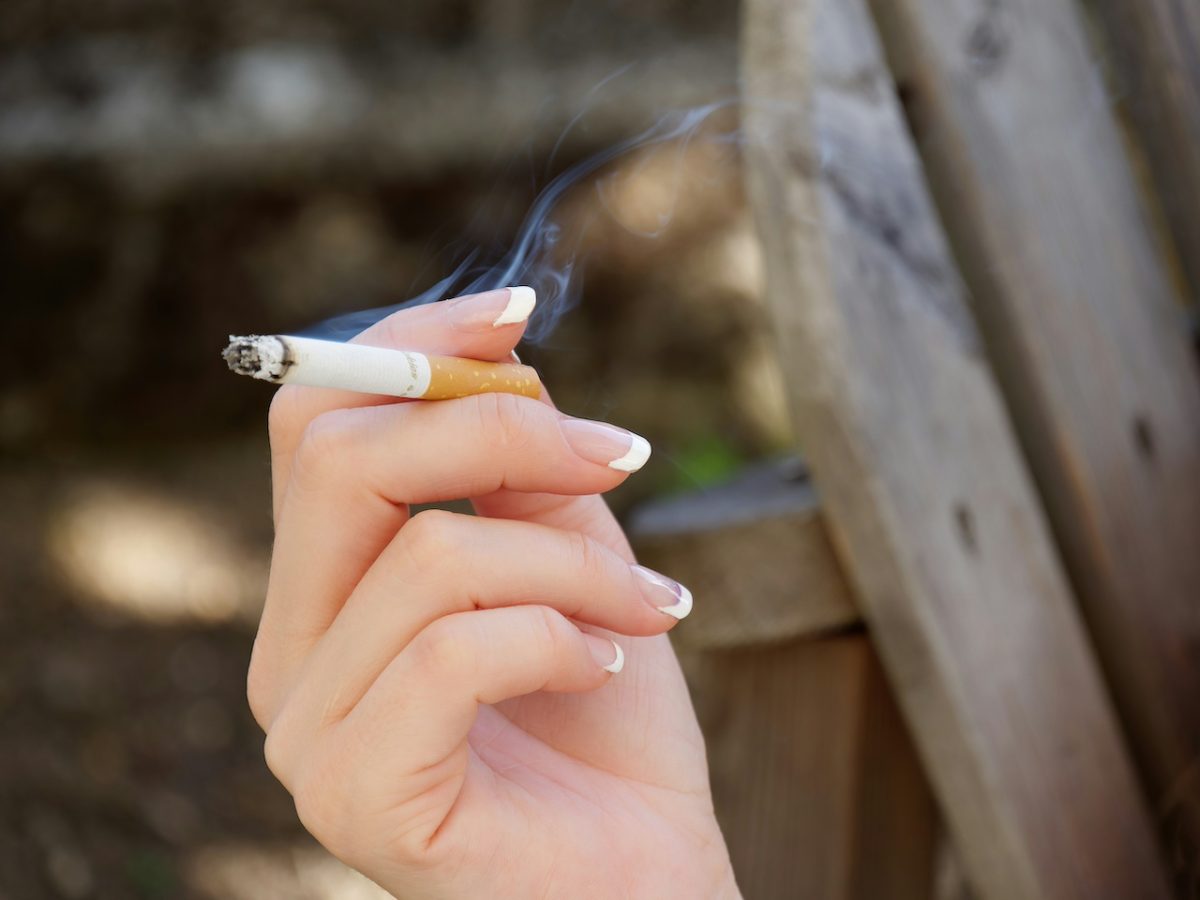
Madrid is getting serious about smoke-free spaces. The Spanish government has approved a sweeping new anti-tobacco initiative, the Comprehensive Plan for the Prevention and Control of Tobacco Use 2024-2027, that represents the country's toughest crackdown on smoking in more than a decade. If approved by parliament, the rules will fundamentally reshape the social experience of visiting Spain's most beloved hospitality venues.
What the New Rules Actually Prohibit
The proposed legislation targets far more than just cigarettes. It would ban smoking, vaping, and shisha pipes for anyone under 18. But the really sweeping changes involve designated smoke-free zones. Health Minister Mónica García framed the initiative as part of Spain's evolution toward a smoke-free generation, emphasizing that "anyone who wants to have a coffee or enjoy their leisure time freely on a terrace should be able to do so without the smoke from nearby tables becoming part of the menu."
Under the proposal, you would not be permitted to smoke on the terraces of bars and restaurants, sea and river beaches, public swimming pools, sports facilities, or national parks. The ban also covers work vehicles (unless used exclusively for personal purposes) and venues hosting public events. Marketing for tobacco products would face stricter controls.
The 15-Meter Buffer Zone That Changes Everything
Where things get really restrictive for smokers is the proposed 15-meter exclusion zones around cultural centers, hospitals, libraries, museums, playgrounds, schools, sports facilities, and public buildings. This means stepping outside a museum or hospital to smoke won't cut it. The protected perimeter is substantial enough to reshape the layout of Spain's public spaces, especially in crowded city centers where cafes and cultural institutions cluster together.
The practical implication for travelers is significant. In places like Barcelona, Madrid, or Seville, finding a legal spot to smoke in the old town or near major attractions could become genuinely difficult. Bars and restaurants that currently rely on outdoor smoking areas may need to reimagine their layouts entirely.
Real Money on the Line for Visitors
The financial consequences matter. Penalties for breaking these rules span from 200 euros to 600,000 euros depending on the severity and who violates the law. Here's the kicker: for the first time in Spanish tobacco legislation, minors aren't exempt. Travelers under 18 caught smoking or vaping face community service requirements or fines starting at 200 euros, which can genuinely dent a holiday budget.
Business owners and hospitality venues can face substantially heavier fines for allowing violations on their premises. This creates an incentive for establishments to enforce the rules actively, so expect staff to pay attention if you're trying to bend the regulations.
Why Some Stakeholders Are Pushing Back
The hospitality industry hasn't embraced these changes warmly. Trade groups have expressed concern that the restrictions could drive smokers away from bars and restaurants entirely, damaging businesses that depend on outdoor seating revenue. They argue the rules may backfire by pushing smokers into private homes, potentially increasing secondhand smoke exposure in residential settings rather than eliminating it altogether.
These concerns highlight a real tension. Spain counts roughly 50,000 smoking-related deaths annually, making this a serious public health issue. But the economic anxiety from venue operators suggests enforcement and compliance could be choppy if the laws pass.
What Travelers Should Expect
The legislation has been approved by Spain's Council of Ministers and is moving toward parliamentary consideration, but it's not law yet. If and when it takes effect, the changes will be significant. Your experience of Spanish cafe culture and beach life could feel distinctly different from previous visits.
For non-smokers, this represents a major quality-of-life upgrade. The idea of enjoying a beachfront paella or terrace aperitivo without breathing smoke is genuinely appealing to many travelers. For smokers, advance planning becomes essential. You'll need to identify specific smoking areas or adjust habits during your stay. The government's framing emphasizes protecting the leisure experience for everyone, which suggests the rules, if implemented, will be taken seriously.
Keep an eye on legislative developments before booking a trip, and if these rules matter to your travel plans, check local updates closer to your departure date. Spain's hospitality landscape is in transition, and understanding the current regulations will help you navigate the country's changing social environment around tobacco use.