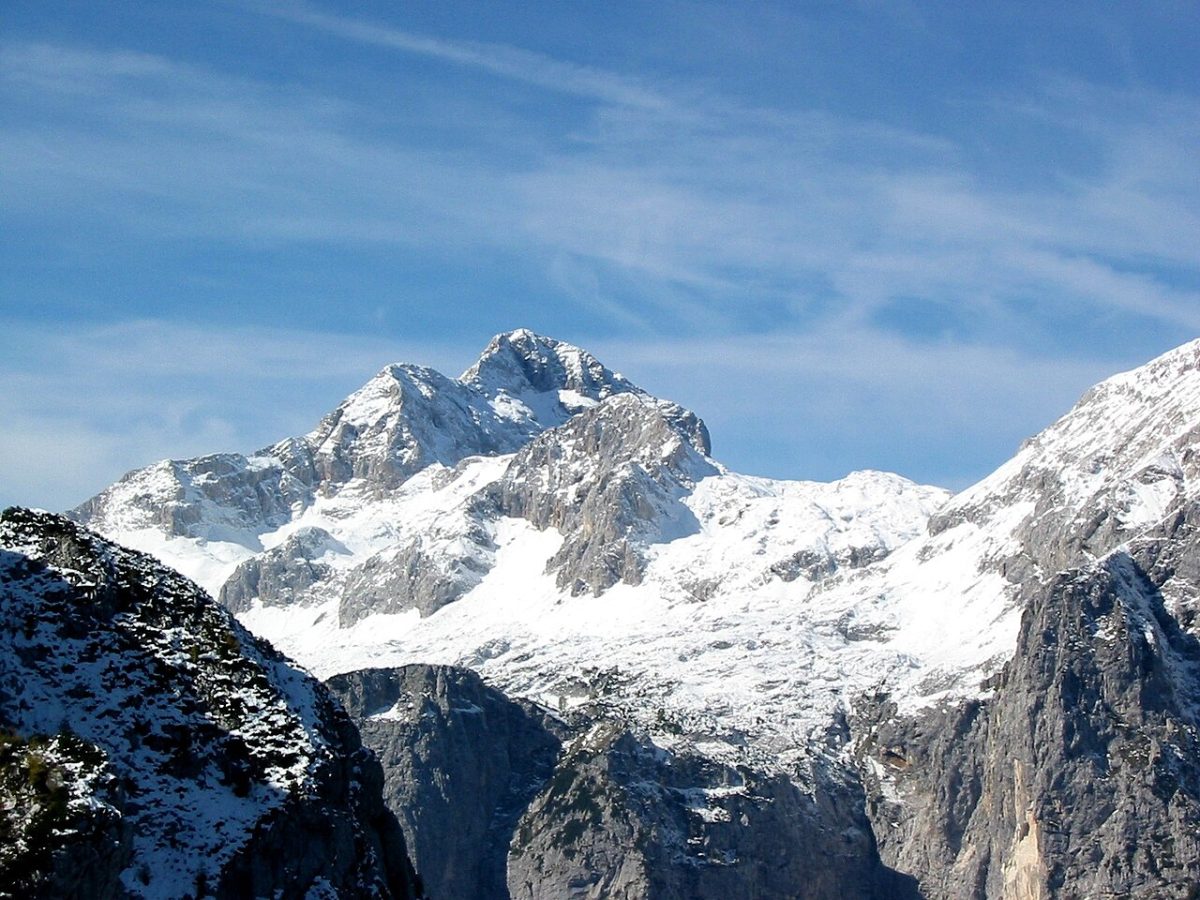
For three decades, Miha Pavšek has watched the ice on Mount Triglav shrink, fragment, and fade. Now, he says the end is imminent. The Triglav glacier, a feature so emblematic it appears on Slovenia's coat of arms and the 50 cent euro coin, is expected to disappear completely within days.
The glacier once spanned over 40 hectares in the late 1800s. By the mid-20th century, it still covered around 14 hectares, enough to support a year-round ski area. But Pavšek, a researcher at the Anton Melik Geographical Institute, says no new ice has flowed into it for years. After a winter with scant snowfall, the remaining ice fragments have been left exposed to soaring summer temperatures. The last remnants of glacial ice are expected to vanish within days, according to Pavšek.
This isn't just a symbolic loss. The disappearance of the Triglav glacier is a stark warning for the entire Alpine region. Pavšek also points to glaciers across the border in Austria, where their decline could dry up the Drava and Mura river basins. That would have catastrophic effects on agriculture, including the irrigated fields of Drava and Ptuj, and parts of the Mura region. Water supplies for farming and communities are at risk as these ice reservoirs vanish.
The situation across the Alps is dire. Swiss glaciers have shrunk by 20% in just the last five years, according to the GLAMOS Swiss glacier monitoring service. They recently stated that Alpine glaciers have no chance of surviving long-term under current conditions. This isn't just about losing a pretty view. It's about the future of water, agriculture, and tourism in some of Europe's most beloved mountain regions.
For travelers, the changes are already visible. Some ski resorts have closed, while others are pivoting to summer hiking and other warm-weather activities to stay afloat. The loss of snow and ice is forcing mountain communities to rethink their economies. As Pavšek notes, it's not just winter tourism that suffers. Agriculture and even wine-making in ancient settled regions face an uncertain future.
If you're planning to see the Triglav glacier, you may already be too late. But the broader story is one of adaptation. In Switzerland, for example, glaciers are vanishing faster than ever before, and the country is grappling with how to manage the consequences. Meanwhile, some mountain destinations are finding new ways to attract visitors, like century-old steam trains returning to Switzerland's most famous mountain pass. It's a reminder that even as the ice melts, the human spirit finds ways to adapt.
For those who love the mountains, the loss of the Triglav glacier is a poignant moment. It's a symbol of a changing world, one where even the most enduring features of our landscape are not guaranteed. As you plan your next adventure, consider the fragility of these places. Greece's mountain villages face a thaw they never wanted, and the same could be said for communities across the Alps. The ice may be disappearing, but the stories of these regions are far from over.