Giannis Stathas, who runs Arachova, a village perched in Greece's mountains, has a vivid childhood memory. Schools would shut down for days when snow arrived. Roads turned impassable. Winter felt like winter. "We don't see that anymore," he says flatly.
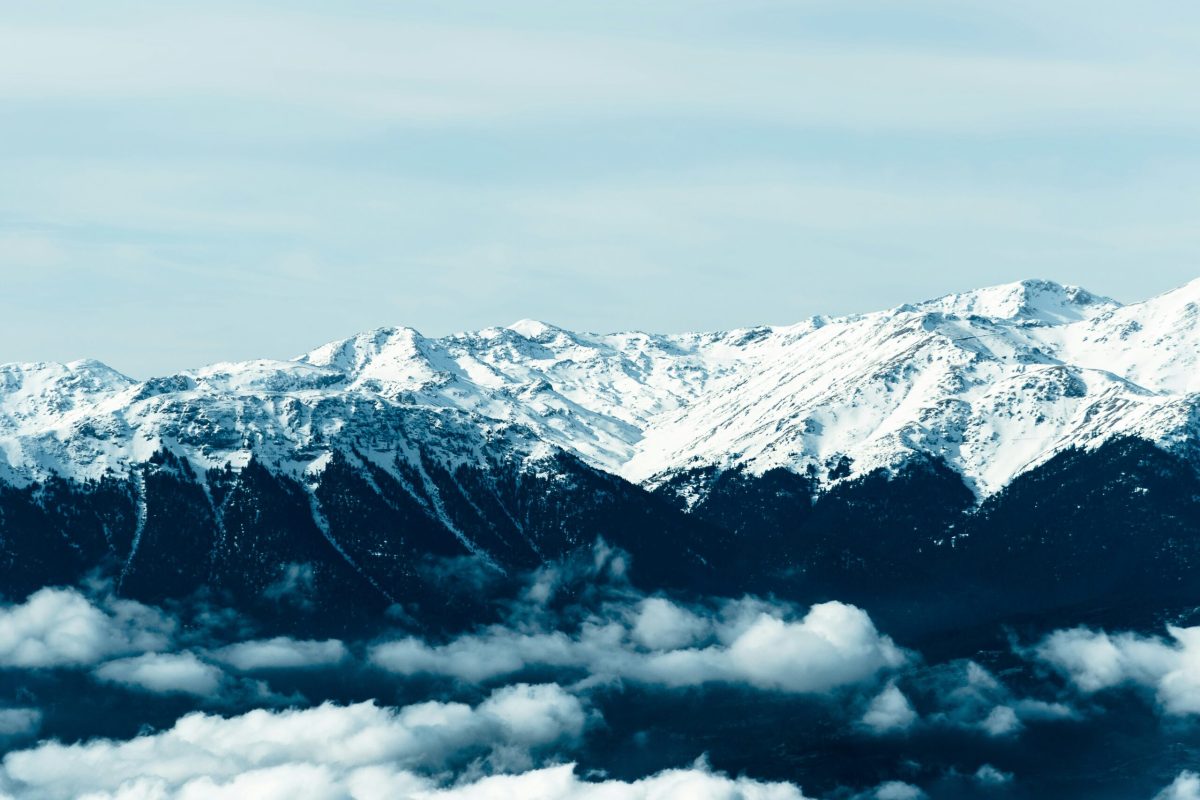
The shift is stark. Mount Parnassos, which towers above Arachova, used to see snow fall as low as 300 metres altitude. Today that snowline sits at 2,400 metres. In a single human lifetime, the mountain's white season has essentially moved upward into near invisibility.
The Data Behind the Disappearance
This isn't nostalgia talking. Konstantis Alexopoulos, a snow hydrologist splitting time between Cambridge and the National Observatory of Athens, studied ten Greek mountains across the mainland using NASA and European Space Agency satellite imagery combined with machine learning. The results are unforgiving. Greece has shed more than half its snow cover since the mid-1980s, across four decades of measurable decline.
What makes Greece unique is the speed. Other mountain regions globally, from the Andes to the Himalayas, have experienced steep snow loss too. But nowhere is the decline happening as fast as it is here. "In Greece we haven't focused so much on it because we never really understood the importance of snow's contribution to our water resources," Alexopoulos explains. "But as this shifts and as this starts to decline, we are seeing those droughts, and we are trying to explain them."
When Snow Was a Savings Account
Alexopoulos frames snow differently than most people think about it. Unlike rain, which vanishes into rivers and the sea almost instantly, snow acts as a natural reservoir. Mountain snow sits through winter, gradually melting in spring and early summer precisely when communities need water most. It's a savings account that pays dividends on nature's schedule, not ours.
Aktida Koritou runs a restaurant in Arachova. She states the crisis plainly: "One hundred percent of Arachova's water is supplied by snowmelt." That's not hyperbole. That's survival math. As those springs run dry and reservoirs sit lower than expected, residents have become acutely aware of water conservation. Droughts now stretch into autumn, extending the dry season far beyond what communities built their lives around.
A Cascade of Consequences
The water shortage ripples outward. Longer droughts create tinder-dry conditions that make Greece's already serious wildfire risk catastrophically worse. The ski industry, which once counted on reliable December snow to launch its season, now scrambles with artificial snow-making techniques and shifted schedules, adjusting to a reality where visitor numbers drop precisely when they used to spike.
Some local officials are exploring dam construction as a potential answer, though that solution carries its own complications. The core problem remains: the snow is leaving, and it's taking water security with it.
Why This Matters Beyond Greece
Alexopoulos is pushing for serious research into mountain snow loss, an area that's been largely overlooked precisely because these landscapes are remote and the challenge of climate change in rural communities wasn't expected to be urgent. "Other mountainous regions of the world, such as the Andes or the Himalayas, have all experienced a steep decline in snow cover but not at the rate that we saw in the Greek mountains," he says.
For travelers drawn to Greece's mountains, the changes are already visible. Villages that marketed winter tourism now see quieter seasons. Hiking trails that stayed snow-covered into spring are clearing earlier. The rhythm of mountain life in Greece is shifting, and as rural communities across Greece adapt to new constraints, the future of alpine tourism hangs in balance. What was once guaranteed has become fragile, and locals are watching winter transform in real time.