Europe's tourism scene is getting a fresh dose of competition. The European Commission has unveiled the shortlist for its new European Capitals of Tourism award, a rebranded contest that merges the old European Capital of Smart Tourism and Green Pioneer titles into one. Sixteen cities, split into two categories, are now vying for the crown.
The announcement came on World Tourism Day, with the Commission highlighting the contenders on social media. "In Europe, tourism drives the economy, innovation and cultural exchange," the post read. "That's why we recognise cities that excel in accessible, digital, sustainable and cultural tourism." The winners will be chosen after a jury presentation in Brussels on 18 and 19 November 2026.
This isn't just a beauty contest. Cities had to submit detailed applications, which were then scored by independent experts on everything from sustainability and accessibility to digitalisation and support for local culture. The bar was high, and the competition was open to EU members plus non-EU countries in the Single Market Programme. The result is a list that spans from the Baltic to the Mediterranean, with a few surprises along the way.
The Big City Contenders
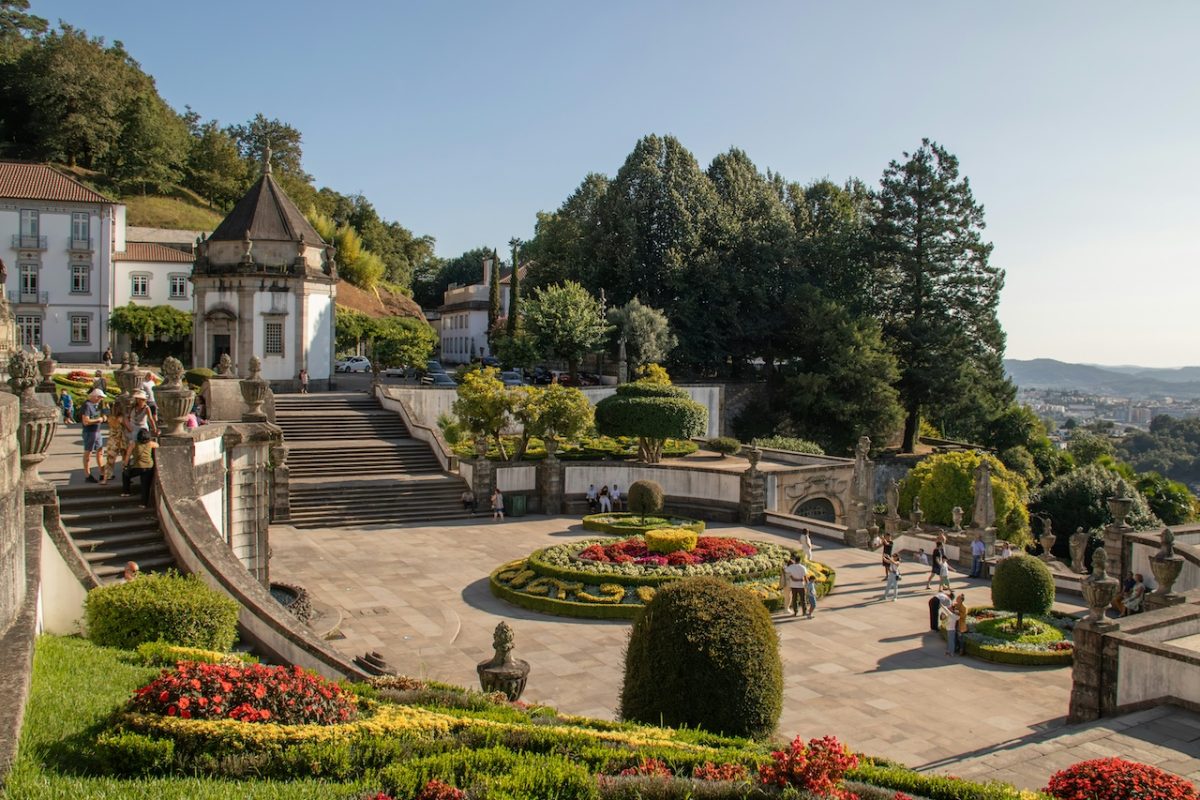
For cities with over 100,000 residents, 43 applications came in from 18 countries. The jury initially planned to shortlist four, but the quality was so strong that they expanded it to eight. The finalists are Aalborg in Denmark, Braga in Portugal, Genoa in Italy, Konya in Türkiye, Ljubljana in Slovenia, Lviv in Ukraine, Salzburg in Austria, and Sofia in Bulgaria.
Each city brings its own flavour. Sofia's tourism director, Anton Penev, told local media that the nomination is an "external assessment of the work done by the entire tourism ecosystem" of the Bulgarian capital. That sentiment echoes across the list, where cities are being judged on concrete results, not just slick marketing. The Commission asked for specific numbers and measurable outcomes, which means the winners will have to prove their tourism strategies actually work.
The Smaller Gems
The second category focuses on cities with 25,000 to 100,000 residents. Here, 40 cities from 17 countries applied, but only eight made the cut. The shortlist includes Calais in France, Calvià in Spain, Geestland in Germany, Ibiza in Spain, Nova Gorica in Slovenia, Sandanski in Bulgaria, Selçuk in Türkiye, and Zadar in Croatia.
These smaller destinations are being recognised for their innovative approaches to sustainable tourism. Calais, for instance, has been pushing its XXL tourism brand, while Zadar has long been a favourite for its unique sea organ and Roman ruins. The competition aims to share best practices that can be replicated across Europe, so the winners will likely become models for other towns looking to balance growth with preservation.
As tourism continues to rebound, the stakes are high. The industry is booming again, but that brings its own challenges, from overtourism to environmental strain. The European Capitals of Tourism award is one way to spotlight cities that are getting it right. For travelers, the shortlist is also a handy guide to destinations that are investing in making tourism better for everyone.
If you're planning your next European trip, these cities might be worth a closer look. And if you're curious about how technology is reshaping travel, check out our piece on AI's role in tourism's future. Or, for a deeper dive into how destinations are coping with record numbers, read about the real test facing global tourism.
The two winners will be announced after the November 2026 jury session, and they'll hold the title for the entire year of 2027. Until then, the shortlisted cities have a lot to celebrate, and travelers have a new bucket list to consider.