Artificial intelligence has already slipped into the travel planning process, quietly shaping where we go, where we sleep, and what we do once we arrive. But as the industry leans harder into the technology, a bigger question looms: will AI scatter travelers to hidden corners or simply pile more bodies onto the same crowded beaches and city centers?
That debate took center stage at World Tourism Day 2026, held on September 27 under the theme "Digital Agenda and Artificial Intelligence to Redesign Tourism." El Salvador played host, gathering government officials and tourism leaders to wrestle with the digital shift reshaping the sector.
UN Secretary-General António Guterres struck a balanced tone in his address. AI, he noted, is transforming how travelers pick destinations, how businesses operate, and how experiences are crafted. It can bolster small enterprises, sharpen services, and open fresh doors. Yet he warned that without careful steering, the technology could "funnel tourists to the same few places and platforms," leaving lesser-known spots in the dust.
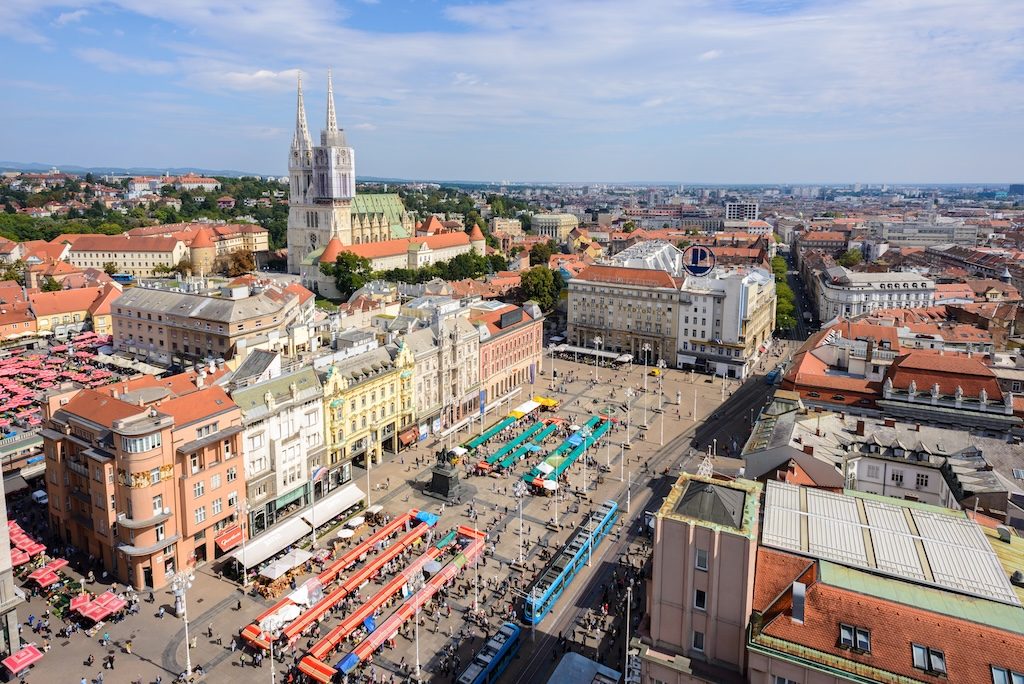
The timing is no accident. Across Europe, overtourism has become a political flashpoint, with locals in cities like Barcelona, Venice, and Dubrovnik pushing back against the crush of visitors. The numbers tell a stark story: as Travel Tomorrow reported in July, just seven regions account for nearly 20% of all tourist nights in the European Union. The Canary Islands, the Adriatic coast of Croatia, Île-de-France, Catalonia, Andalusia, Veneto, and the Balearic Islands dominate the list.
Can AI Spread the Love?
There is real hope that AI could help ease the pressure. Better data and predictive tools could let destinations track visitor flows, anticipate surges, and nudge travelers toward quieter neighborhoods, different seasons, or off-the-beaten-path regions. Recommendation engines could give small towns and family-run guesthouses a shot at visibility they never had before.
Travelers are already on board. A study covered by Travel Tomorrow in August found that 54% of people have used AI to plan a trip, and 75% plan to do so soon. Around 40% have discovered new places through AI, and 29% have changed their destination based on AI suggestions. The appetite is clearly there.
When Algorithms Become a Crowd Magnet
But the same technology can backfire. If millions of travelers ask their AI assistants for the "best" European city break or the "top" beach in Greece, the answers tend to circle the same well-known names. Destinations with weak online presences, sparse digital data, or limited marketing budgets could become even harder to find.
The accommodation sector is already feeling the shift. Hotels that spent years mastering search engine optimization and online travel agencies now face a new puzzle: how to appear in AI-generated answers. The stakes are high, and the rules are still being written.
This makes the AI-in-tourism debate about more than just technology. It is about economics and power. Who decides which destinations show up in an AI itinerary? How transparent are those recommendations? And how can small businesses compete when travelers trade search engines for conversational chatbots?
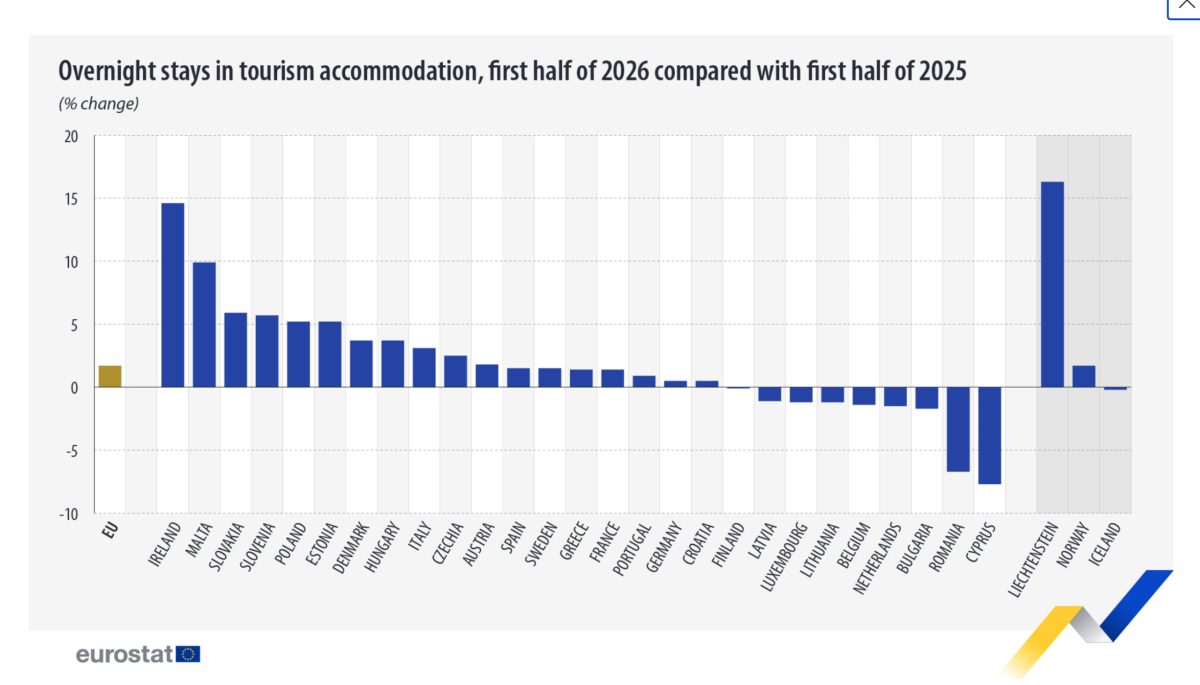
The backdrop is a tourism industry in flux. According to the latest UN Tourism World Tourism Barometer, international arrivals grew just 0.4% in the first half of 2026, with around 690 million people traveling globally. Europe held up better, welcoming nearly 350 million visitors, up 3% from last year. But the Middle East conflict, higher oil prices, inflation, and flight disruptions are reshaping travel patterns. Eurostat recorded 1.32 billion overnight stays in EU tourist accommodation during the first six months of 2026, a 1.7% increase.
Managing Tourism, Not Just Marketing It
Europe's challenge is shifting from attracting more visitors to managing them better. World Tourism Day 2026 offered a chance to ask whether AI can help with that.
Technology alone won't solve overtourism. But used wisely, AI could help destinations understand demand, spread visitors across regions and seasons, and connect travelers with places outside the usual circuit. It could also give smaller businesses a fighting chance.
The alternative is a future where the very tools meant to expand our options end up narrowing them. As Guterres put it, "Technology must serve humanity." For tourism, that means ensuring AI opens doors rather than slamming them shut.
For travelers, the takeaway is simple: use AI as a starting point, not the final word. Dig deeper, ask follow-up questions, and let curiosity lead you beyond the algorithm's comfort zone. The best trips often happen when you wander off the recommended path.
For more on how tourism is evolving, check out who really decides where you travel and how Spain is planning its own rescue from the tourism boom.