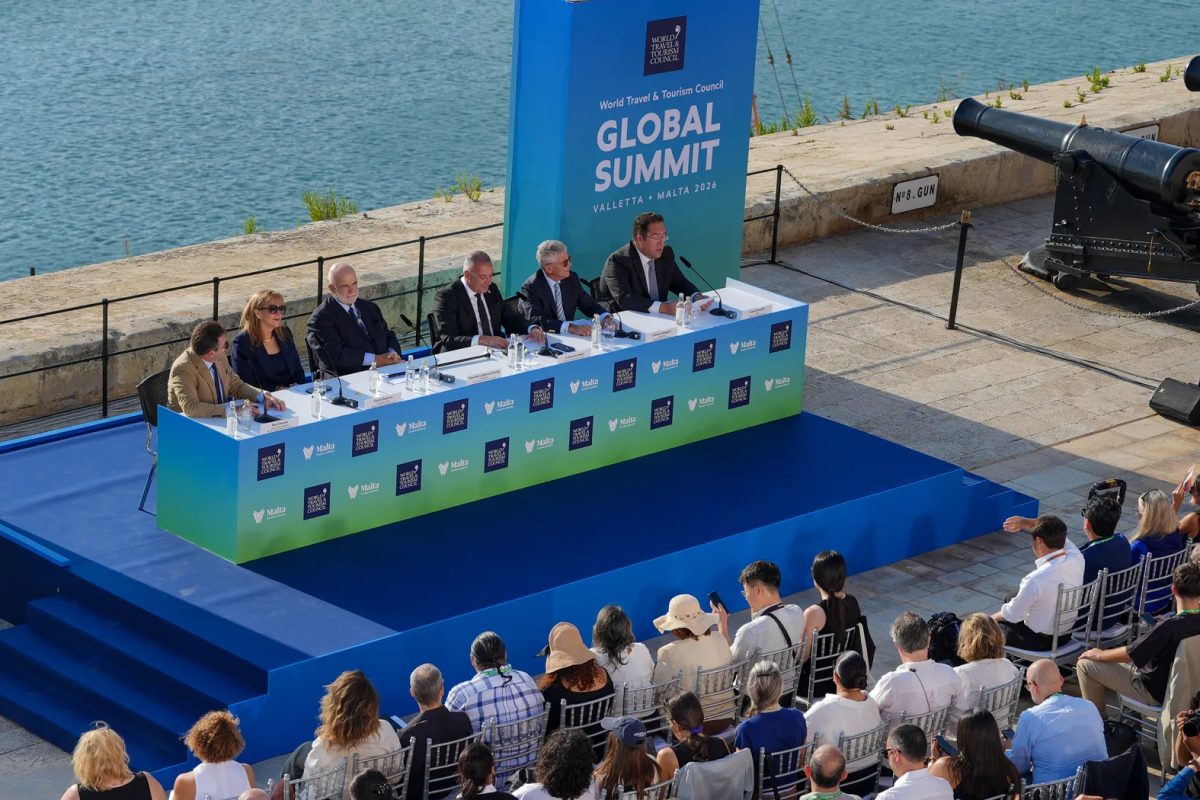
Europe's travel and tourism sector is showing remarkable resilience, with the World Travel & Tourism Council (WTTC) forecasting a 3.1% growth in 2026. That outpaces the wider economy, which is expected to grow at a slower pace. The announcement came at the WTTC Global Summit in Valletta, Malta, where industry leaders gathered to discuss the future of travel.
The forecast marks an acceleration from the 2.6% growth recorded in 2025. It also beats the projected global travel growth rate of 2.5% for the same year. International visitor spending in Europe is expected to rise by 5.8% this year, while leisure travel spending is set to increase by 3.1% and business travel by 4.2%.
Why Europe Is Leading the Way
Travel and tourism now supports about one in ten jobs across the region. The sector contributed $11.6 trillion to the global economy in 2025, accounting for 9.8% of global GDP and supporting 366 million jobs worldwide. Gloria Guevara, President and CEO of WTTC, emphasized the industry's resilience and the importance of government policies in sustaining growth. "The choices made today will determine how much of this opportunity Europe captures," she said.
Connectivity, ease of travel, and workforce development are key factors. Governments and industry leaders are working together to improve these areas, as highlighted at the summit's Global Leaders Dialogue. The goal is to make Europe more competitive and attractive to travelers.
Malta's Tourism Success Story
Malta, the host country, is a standout performer. Its travel and tourism GDP contribution grew by 16.8% in 2025, the highest in Europe. The sector is expected to contribute $4.9 billion to Malta's economy in 2026, accounting for 16.9% of national GDP and supporting more than one in five jobs.
Carlo Micallef, CEO of the Malta Tourism Authority, stressed the importance of sustainable growth. "We want to create greater value, not only economic, but also social and environmental," he said. "Tourism that is sustainable and resilient. Tourism that embraces innovation while remaining rooted in our identity."
For travelers, this means Malta is investing in experiences that are both authentic and responsible. The island nation is balancing growth with preservation, ensuring that visitors can enjoy its rich history and natural beauty for years to come.
What This Means for Travelers
With more people traveling to Europe, you might wonder about overtourism. Some destinations are already taking steps to manage visitor numbers. For instance, Barcelona's new tourism strategy says no to more visitors, focusing on quality over quantity. Similarly, sixteen cities just made the cut for Europe's new tourism crown, highlighting destinations that are doing it right.
If you're planning a trip, consider exploring lesser-known spots or traveling during off-peak seasons. Europe's high-speed rail dream just got a big political push, making it easier to travel sustainably by train. And if you're looking for wellness, Europe's spas want to be your prescription for a longer life.
The future of European travel looks bright, with growth that benefits both visitors and locals. As the sector evolves, expect more innovative and sustainable travel options across the continent.