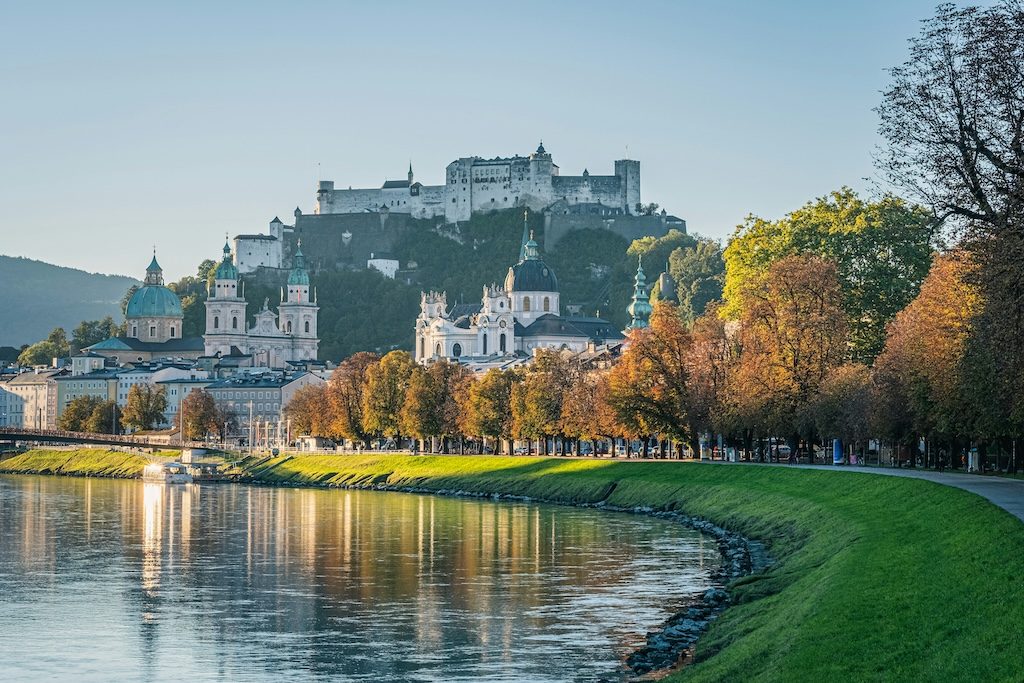
Salzburg's narrow medieval streets have had enough. This summer, the Austrian city is taking bold action against the chaos of peak-season traffic by banning most tourist vehicles from its UNESCO-protected Old Town.
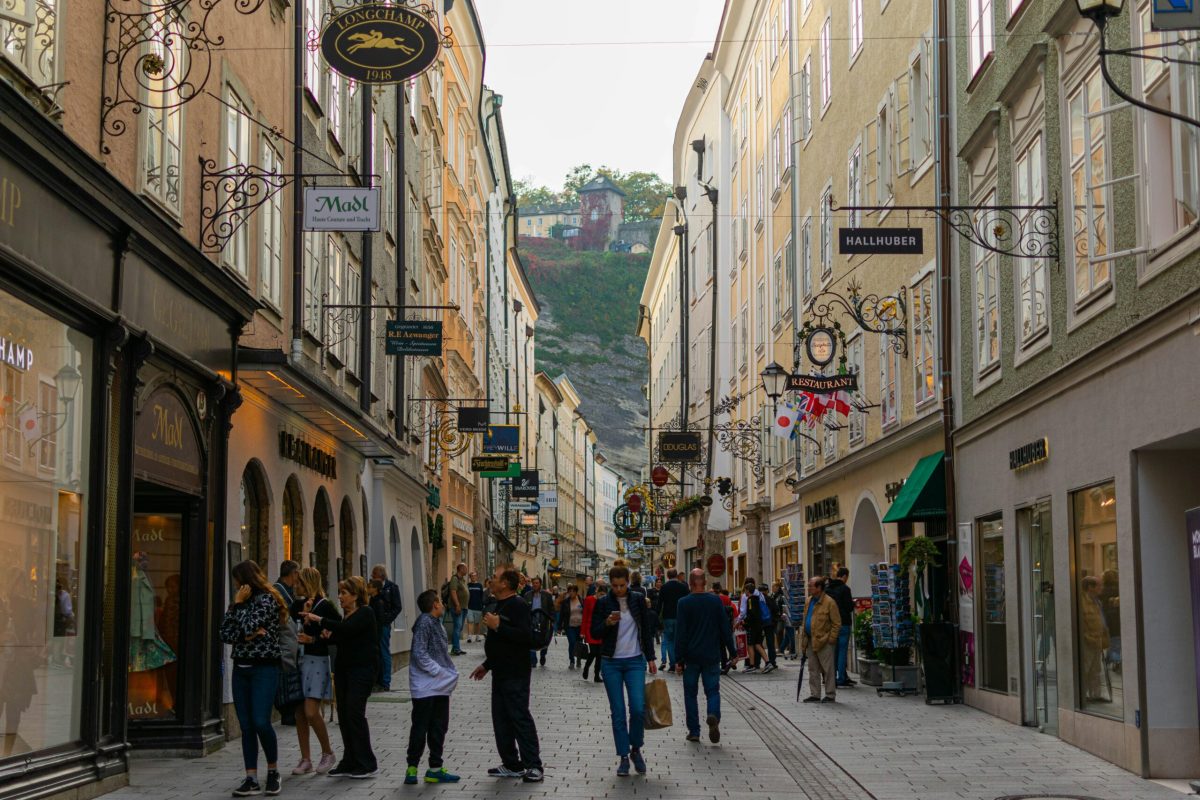
The restriction kicks in on July 1st and runs through August, part of an initiative called "less traffic, more city." City planners are betting this will keep roughly 1,000 cars a day from clogging the historic centre, where Mozart was born and where The Sound of Music continues to draw fans six decades after its release.
Who Gets Blocked Out
Here's the straightforward rule: if you're arriving by car from outside the Salzburg region and planning to spend the day exploring, you won't be driving into the city core. Residents, hotel guests with reservations, delivery drivers, taxis, disabled visitors, and emergency services get exemptions. People from neighbouring Bavarian districts in Germany also keep their driving privileges.
Police enforce the ban with fines up to 80 euros for violators. It sounds harsh, but the city's mayor, Bernhard Auinger, framed it carefully. "We don't want chaotic traffic situations," he said when announcing the measure. "We basically allowed tourists to drive into our sitting room." His point: locals were fed up with their home feeling like a parking lot.
The Park and Ride Alternative
The city isn't leaving visitors stranded. Salzburg has set up park-and-ride facilities on the outskirts, where a 7.50 euro day ticket covers parking plus unlimited public transport for up to five people. Most lots sit within a 10-minute walk of the Old Town, so you're not sacrificing convenience for compliance. You'll actually spend less time frustrated behind the wheel and more time actually exploring.
Auinger was blunt about the upside: "It's certainly much better than spending hours stuck in traffic. And it also makes life a lot easier for the people who live and work in the city." For visitors, that means shorter queues at attractions, cleaner air in the cobblestone streets, and a genuinely walkable experience instead of dodging cars.
Why Now
Salzburg has become a victim of its own charm. With just over 158,000 residents, the city welcomes more than three million overnight visitors annually, plus nearly 1.8 million international day-trippers. Mozart's birthplace and decades of Sound of Music tourism have turned the city into a pilgrimage site for culture lovers worldwide.
The traffic complaints from residents grew too loud to ignore. Similar European cities struggling with overtourism inspired the move. Rome, Florence, and Pisa already run restricted traffic zones. Dubrovnik, Croatia, has implemented its own visitor limits. Salzburg studied these playbooks and decided it was time to protect both its residents' quality of life and the visitor experience itself.
What It Means for Travelers
If you're planning a Salzburg trip this summer, arrive aware but don't arrive anxious. The park-and-ride system works smoothly, and you'll likely find the car-free streets more enjoyable anyway. Rent a bike, walk the riverbanks, or simply breathe without exhaust fumes clouding Mozart's birthplace.
For those staying overnight, the ban doesn't affect you. Hotel guests remain free to drive in, and most travellers planning to spend a night or more will naturally gravitate toward lodging in the centre anyway. Day-trippers get nudged toward public transit, which is exactly the point.
This isn't European cities being hostile to tourism; it's them being honest about capacity. Salzburg, like many beloved destinations, reached a breaking point where cars were ruining the very thing people came to see. The summer driving ban is an experiment in reclaiming what makes the city special.