Imagine visiting Paris and never setting foot near the Eiffel Tower. Or wandering Rome without checking the Colosseum off your list. It sounds almost heretical to the traditional tourist playbook, yet a growing movement argues that this approach might actually be the antidote to the overtourism crushing our favourite destinations.
Enter Tiny Tourism, a travel philosophy that flips conventional sightseeing on its head. The concept was introduced by UK-based creative platform It's Nice That in their Tiny Tourist Report published in April 2026. The premise is refreshingly simple: if something feels like an obvious tourist activity, maybe do something else instead.
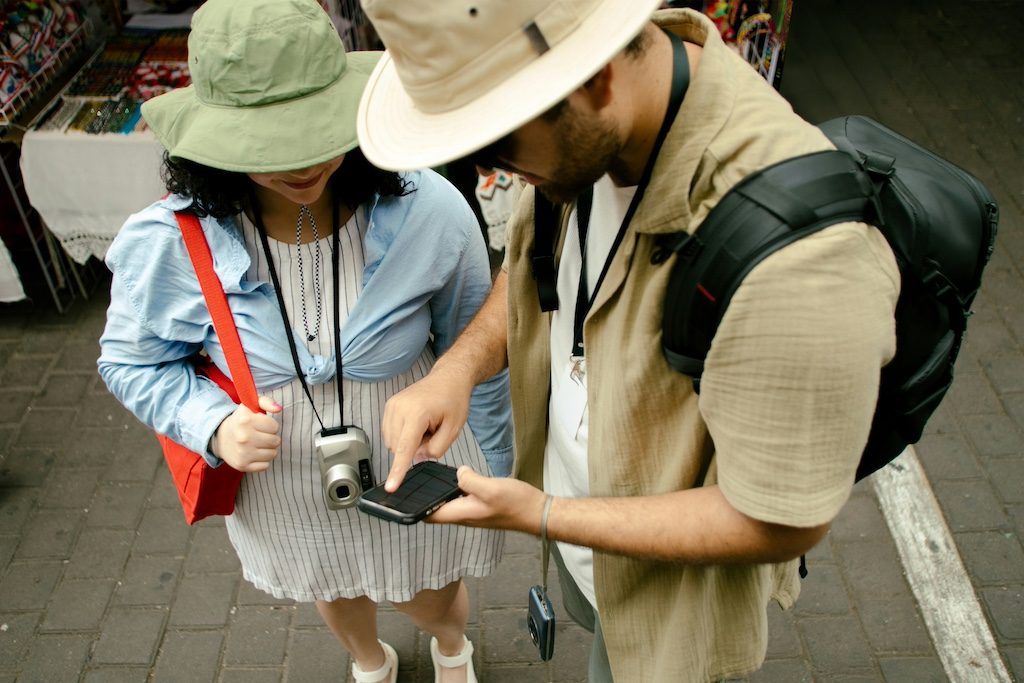
Rather than chasing Instagram moments and landmark selfies, Tiny Tourists hunt for genuinely local moments. That might mean browsing a neighbourhood supermarket to discover unfamiliar products, hopping on a public tram to watch how residents actually move through their city, or wandering into a local pharmacy just to see how things are organised. Some travellers spend afternoons exploring residential streets, picking through second-hand shops, or simply studying street signs and gardens. The goal is straightforward: experience how people actually live somewhere, then compare it mentally to life back home.
Why Now? The Overtourism Crisis
The timing for this philosophy isn't random. Countless destinations are drowning in visitors. Think about Venice's waterlogged alleyways or Barcelona's coastal beaches packed shoulder-to-shoulder. When thousands of people follow nearly identical itineraries, entire neighbourhoods become human conveyor belts. Social media makes it worse, amplifying this effect whenever a beach or restaurant suddenly goes viral.
Tiny Tourism inverts that logic entirely. That viral video is a warning signal of where not to go, not a bucket-list item demanding your presence.
How It Works in Practice
Brussels offers a perfect case study for how this approach redistributes the travel experience. Almost every visitor ticks off the Grand-Place, Manneken Pis, and the Atomium. But daily life happens everywhere else. Tourism data shows the concentration is striking: in 2023, 97% of respondents visited or planned to visit the Grand-Place and city centre, while only 20% ventured to Flagey or Châtelain, and just 13% made it to Saint-Gilles.
A Tiny Tourist heading to Saint-Gilles hops a tram out of the historic centre and discovers the real neighbourhood. Around Parvis de Saint-Gilles, you'll find a proper local market, terraces where people actually sit, and independent shops. Walking through reveals layers of Art Nouveau and Art Deco architecture that most visitors never see. The Marolles neighbourhood offers another Brussels entirely, with its second-hand shops and Place du Jeu de Balle flea market. Matongé and Saint-Boniface introduce you to the city through grocery stores, corner cafés, restaurants, and specialised shops serving actual residents, not tourists.
The Real Payoff
If travellers actually spread themselves across different neighbourhoods instead of clustering at the same three landmarks, something shifts. Thousands of people following identical routes suddenly become groups exploring diverse parts of the city. Your euro spent at a neighbourhood café or independent market actually reaches local business owners instead of global hotel chains. It's a gentler form of tourism that respects both the destination and its residents.
That said, Tiny Tourism remains a philosophy, not yet a proven solution. The report itself doesn't claim that it can solve overtourism. There are real limitations worth acknowledging. If thousands of travellers suddenly start hunting for the same supposedly hidden neighbourhoods, today's quiet street becomes tomorrow's Instagram hotspot. Residential areas are where people live, not museum exhibits.
Here's what matters: you don't have to choose between Tiny Tourism and traditional sightseeing. Visit the Grand-Place in the morning if you want. Spend the afternoon exploring Saint-Gilles. Browse the Marolles. Instead of trying to reject being a tourist entirely, simply shift where you focus your attention and energy. As more destinations grapple with overtourism pressure, this balanced approach feels less like rebellion and more like common sense. Tiny Tourism might not be the single answer to overcrowded attractions, but it offers a genuinely different way to think about how we move through the places we visit.