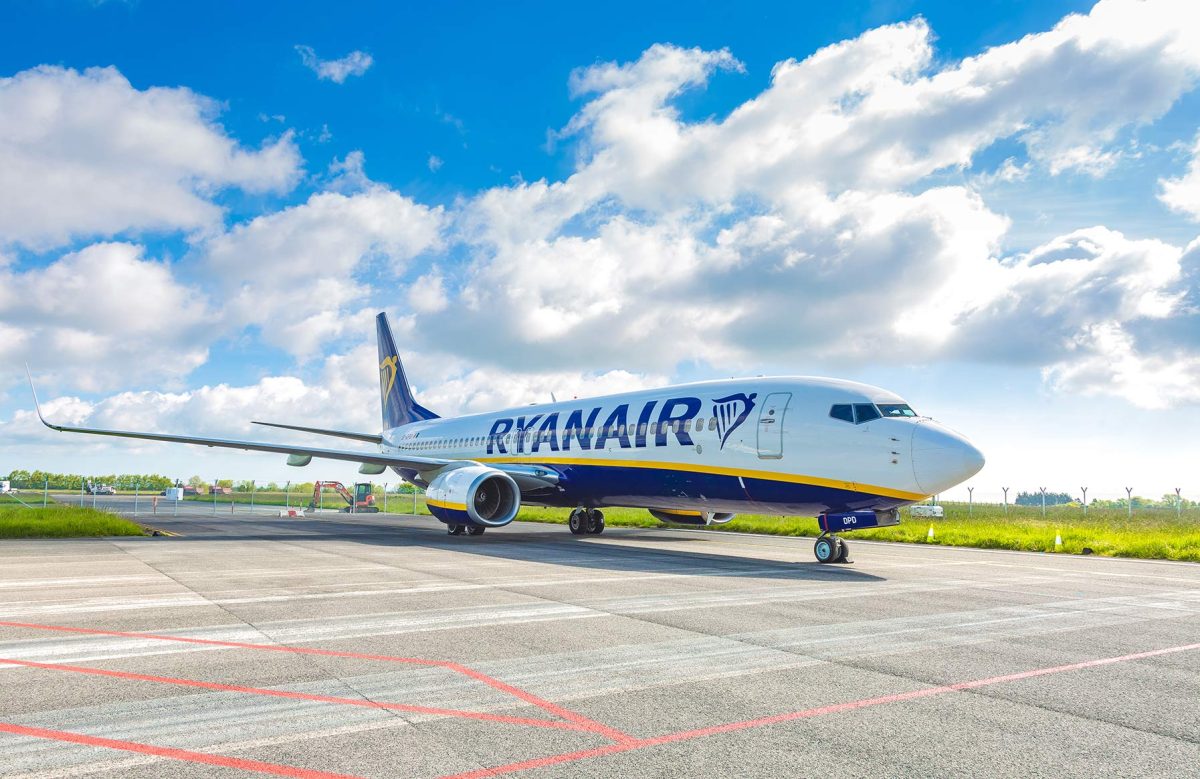
Budget airline Ryanair is under fire from the UK Competition and Markets Authority, which has launched a formal inquiry into the carrier's controversial practice of charging parents to sit together with their children on flights. The investigation marks a serious legal challenge to one of the airline's most contentious revenue streams.
The core issue comes down to money and family separation. Ryanair's terms of carriage require parents to be seated next to any children aged between two and 11 years old. But here's the catch: achieving that mandatory "family seating" costs roughly £8 (around 9 euros) more per person, per flight. Passengers booking a round trip with kids face double that expense. For families traveling frequently, these charges add up quickly.
What Makes Ryanair Different From Other Airlines
Ryanair stands virtually alone in this practice. Competitors like Lufthansa, British Airways, and others typically book parents and children in adjacent seats as a standard part of their booking process, no extra fee required. The CMA's focus on why Ryanair operates differently centers on a critical question: is the carrier charging families to cover what should be a basic safety obligation?
Aviation regulations do require supervision of young passengers. The investigation will examine whether Ryanair is essentially billing parents for the airline to fulfill its own legal responsibility to keep families seated together for safety reasons. The lack of transparency during booking compounds the problem. Hidden fees that appear only late in the purchase process catch travelers off guard and potentially breach consumer protection laws requiring upfront, clear pricing.
Consumer advocacy group Which? called the policy "unreasonable" and labeled it a harsh approach to both family welfare and fare transparency. Travel editor Rory Boland pointed out the absurdity: parents with children as young as three end up paying to sit beside them. The organization welcomed the CMA investigation as a necessary check on airline practices that prey on family travelers.
Ryanair Pushes Back but Loses the Argument
Ryanair's response dismisses the inquiry as "bogus" and attempts to reframe the narrative. The airline claims that adults traveling with children pay for only one reserved seat, while up to four children get reserved seats for free. This sounds generous until you realize the whole scheme requires booking a paid seat reservation in the first place. Most families don't want to gamble on getting scattered across the cabin.
The airline also took a political swipe at the UK Labour government, demanding lower air passenger duty taxes that it says would reduce fares across the board. That argument, while separate from the investigation itself, reveals how budget carriers like Ryanair constantly pressure governments to subsidize their business model through tax cuts. Interestingly, investigations into how airport fees are affecting Ryanair's route strategy show the carrier uses regulatory and tax grievances strategically to shape public opinion.
Why This Matter for Travelers
This case touches something fundamental about how budget airlines operate. By separating pricing from their actual service, carriers make fares look cheaper than they really are. A "£15 flight" to Barcelona becomes £23 once you add checked baggage, seat selection, and family seating. The CMA is testing whether this deceptive pricing structure crosses into unfair practice territory.
For families planning European trips, the outcome matters directly. A ruling against Ryanair could force the airline to include family seating in its base fare or clearly disclose these costs upfront. That would either raise ticket prices visibly or improve transparency, both of which help consumers make real comparisons. If the CMA rules in Ryanair's favor, the airline's pricing model remains intact and possibly inspires competitors to adopt similar tactics.
There's no timeline yet for when the investigation will conclude or what remedies might be imposed if Ryanair is found to have violated consumer law. But the inquiry signals that even the titan of European budget aviation can face serious regulatory pushback when its practices squeeze families hardest.


