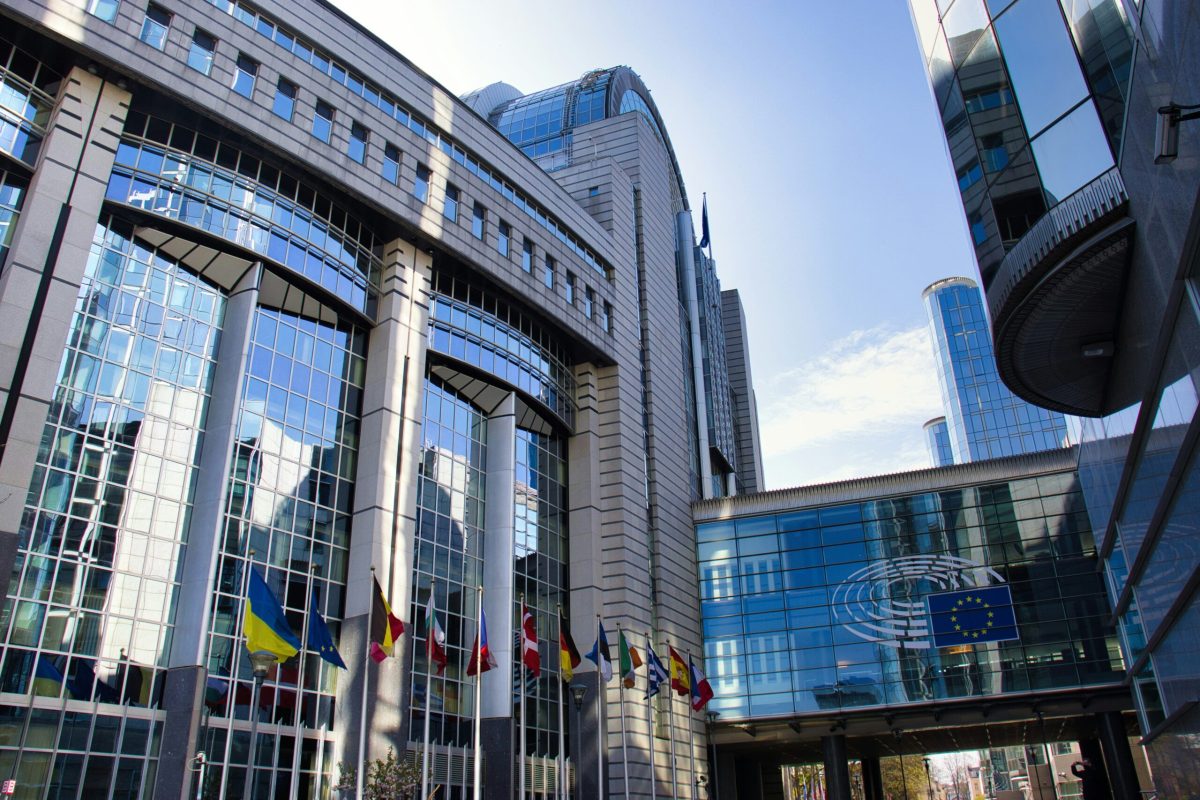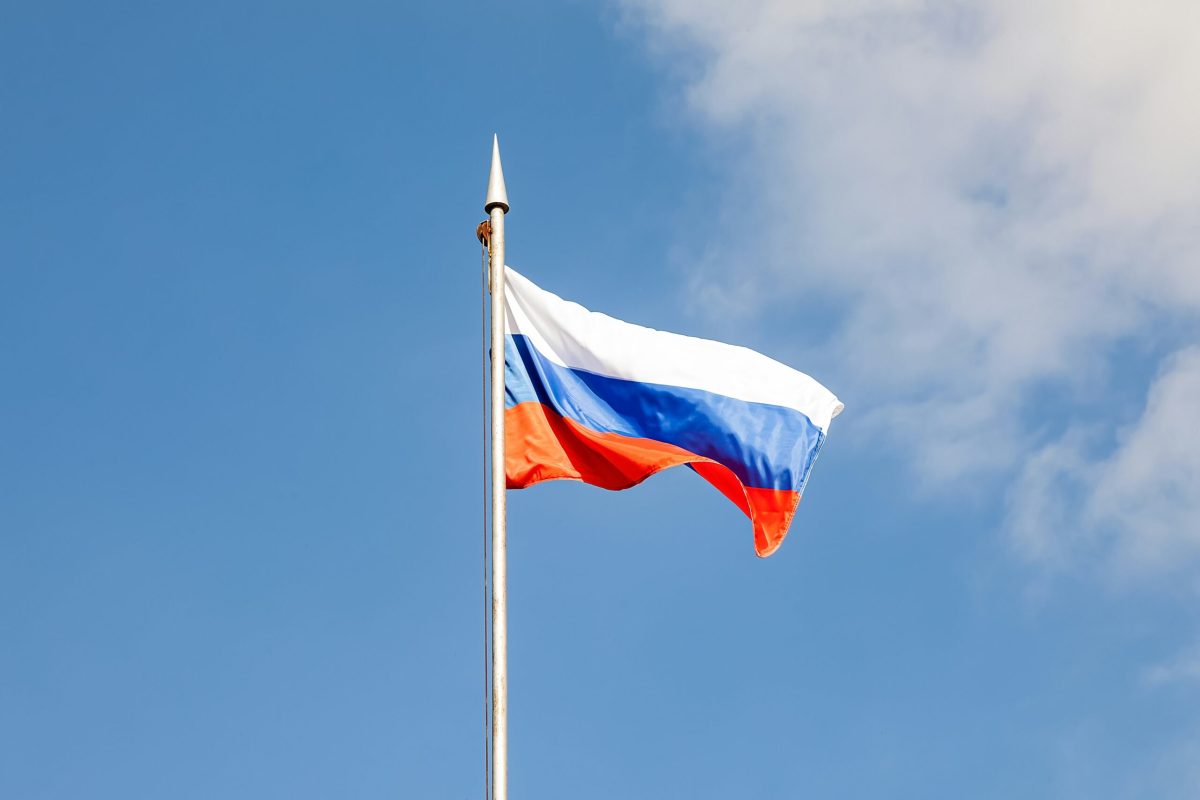
A Russian government advisory issued in early 2026 has put travelers from Moscow on notice: visiting certain countries could result in sudden detention and extradition to the United States. The warning names over a dozen nations, including the UK, Switzerland, most of the European Union, Canada, Australia, Israel, and several others across Latin America and Asia. For Russian passport holders, this represents a significant constraint on where they can safely travel.
The advisory targets Russians who believe they may face US criminal prosecution or those appearing on Washington's Specially Designated Nationals and Blocked Persons list. Moscow frames this as a consequence of American legal reach extending far beyond US borders, enabled through what it calls "extraterritorial sanctions." These mechanisms allow US authorities to prosecute or detain individuals anywhere if their transactions touch the US financial system, involve sanctioned entities, or occur in countries that maintain extradition arrangements with Washington.
The Long Shadow of 2014
While Russia positions this advisory as a recent escalation since its 2022 invasion of Ukraine, the legal framework actually traces back to 2014, following the annexation of Crimea. What has shifted dramatically is enforcement intensity. Sanctions have multiplied, detection capabilities have sharpened, and cooperation between Western nations and US authorities has deepened. The result is a landscape where Russian nationals operating internationally face genuine legal jeopardy.
Moscow claims, without offering verifiable evidence, that US intelligence agencies sometimes orchestrate schemes to lure Russian citizens abroad with tempting business or tourism opportunities, only to apprehend them upon arrival. Whether or not such tactics occur, the underlying legal reality is clear: Russian citizens traveling to countries with extradition treaties face tangible risks.
The Numbers Behind the Dispute
Russia asserts that over 100 Russian nationals have been extradited to the United States since Viktor Bout's 2008 arrest in Thailand, though no independent verification of this figure exists. Bout, an arms dealer infamously called the "Merchant of Death," spent roughly 14 years in US custody on arms trafficking charges before his release in December 2022. His case became a focal point when he was exchanged for American basketball star Brittney Griner, who had been imprisoned in Russia after cannabis vape cartridges were discovered in her luggage during a customs check.
The prisoner exchange landscape has shifted dramatically in recent years. A major swap in 2024 saw 16 Western detainees released in exchange for eight Russians held on charges ranging from sanctions violations to cybercrime and arms dealing. Another deal in February 2025 resulted in the release of American teacher Marc Fogel, imprisoned on medical cannabis charges. As of early 2026, at least eight Americans remained detained in Russian custody, painting a picture of ongoing tensions and reciprocal detention practices.
Travel Advisories Cut Both Ways
Russia's warning to its citizens mirrors, in reverse, the US State Department's Level 4 "Do Not Travel" advisory for Russia itself. That American warning cites risks of arbitrary detention and limited consular assistance for US citizens. Both nations now view each other's territory as hosting environments where nationals of the opposing country face unpredictable legal consequences.
For travelers with Russian citizenship, the practical upshot is substantial. Changes in citizenship and immigration rules worldwide have already complicated travel for many. This new advisory adds another layer of complexity, effectively cordoning off large portions of the developed world for Russian passport holders. The countries listed represent some of the world's most popular tourist destinations and business hubs.
The situation underscores how geopolitical tensions can reshape the practical geography of travel. Visa policies, extradition treaties, and sanctions enforcement are no longer abstract legal concepts; they directly affect who can safely cross international borders and where. For Russian travelers, the advisory essentially creates a new category of restricted destinations, narrowing options in ways that seemed unthinkable just a decade ago.