While Italy just rewrote citizenship rules that could strip millions abroad of their birthright, Canada is heading in the opposite direction. The country has quietly expanded its arms to welcome descendants with Canadian blood running further back than ever before.
Bill C-3 fundamentally changed the Canadian Citizenship Act late last year, removing a barrier that had frustrated families for generations. The old rule allowed citizenship by descent only for the first generation born outside Canada. If your parent was born abroad to a Canadian citizen, tough luck. Not anymore.
Who Qualifies Under the New Rules
The update targets people born outside Canada in the second generation or beyond. Picture this: your grandparent was Canadian. Your parent was born outside the country to that Canadian grandparent, spent at least three years living in Canada at some point, and never renounced their citizenship. You can now apply for Canadian citizenship, even if you've never set foot in the country.
The only catch is that the Canadian parent must have spent at least 1,095 days (roughly three years) in Canada before you were born. They also need to have kept their citizenship active throughout their lifetime. If they renounced it, the chain breaks.
Why This Matters Right Now
The timing is striking. Experts predict waves of Americans will dust off their family archives, hunting through old birth certificates, marriage records, and church documents. The United States has been experiencing a steady exodus of citizens seeking alternatives, driven by political uncertainty and a desire for fresh starts. A Canadian passport, by contrast, ranks among the world's most valuable travel documents. It opens doors to over 200 countries visa-free, a privilege not all nations enjoy.
"Ancestry travel" has become a genuine tourism trend. People now actively seek connection to their heritage, not just through genealogy websites but through actual relocation and citizenship pursuit. For many, claiming distant roots feels like reclaiming a piece of identity that globalization almost erased.
The Practical Side: Time, Money, and Process
Don't expect instant results. An Ontario Superior Court of Justice found the previous restriction unconstitutional, which prompted this legislative shift. But the government process moves slowly. Canadian citizenship applications from the US cost $649.75 CAD for adults (adults are 18 and older), with a $100 CAD flat rate for minors. Processing takes roughly 10 months.
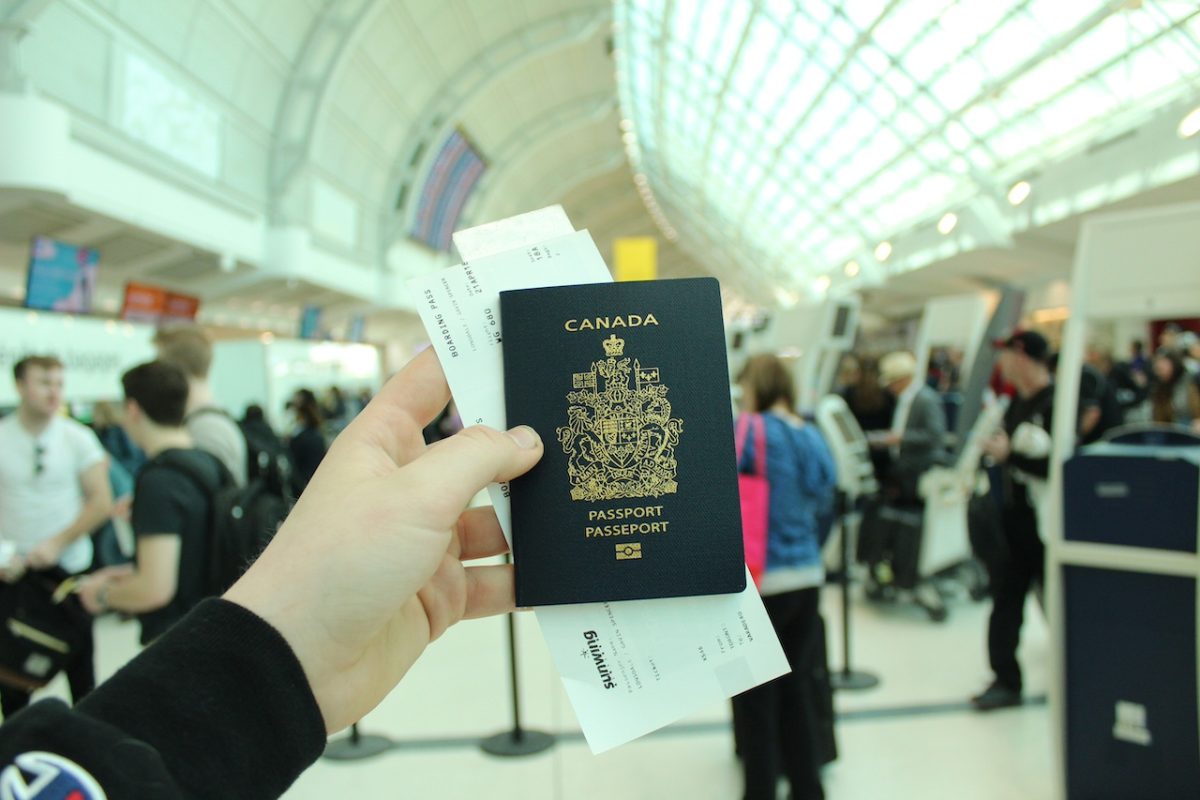
Once you hold a citizenship certificate, you can apply for a Canadian passport. That costs $190 CAD for a five-year passport and requires at least 20 days for processing, plus delivery time. You can do it all remotely if you're in the United States, which makes the entire affair manageable from home.
Compare this to the route traditional immigrants take. Adults who move to Canada must complete three of five years as permanent residents, maintain tax compliance, prove language proficiency in English or French, pass citizenship tests, and take oaths. It's a longer, more demanding path.
What Comes Next
The rule change signals something bigger about how nations compete for citizens in an interconnected world. Canada isn't just accepting people who want to move there physically. It's reaching backward through family trees and forward through time, betting that distant relatives will value the opportunities, stability, and global access that Canadian citizenship provides.
Whether you're an American spooked by the realities of moving abroad or simply curious about your family's past, now is the moment to dig into those boxes of old documents. Your path to a new citizenship might be hiding there.