Pack your patience along with your sunscreen. Starting this summer, getting into Europe just became significantly more complicated for British travelers, and airports across the continent are already buckling under the pressure.
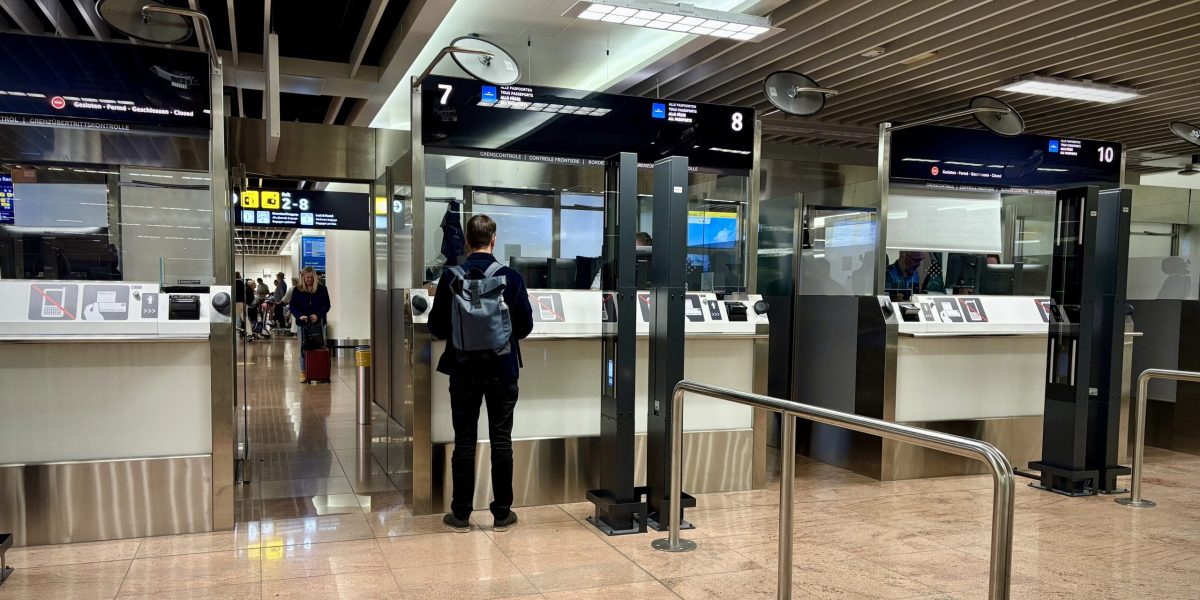
Since April 2026, the European Union rolled out its new Entry-Exit System (EES), a biometric screening program designed to replace the old manual passport stamp process. Sounds efficient? In theory, yes. In practice, it's creating travel chaos. The system requires non-European arrivals to submit facial recognition data, fingerprints, and passport information at 29 countries within the Schengen Zone, including Spain, Portugal, Italy, and France. What should be a streamlined process has instead turned into an airport nightmare.
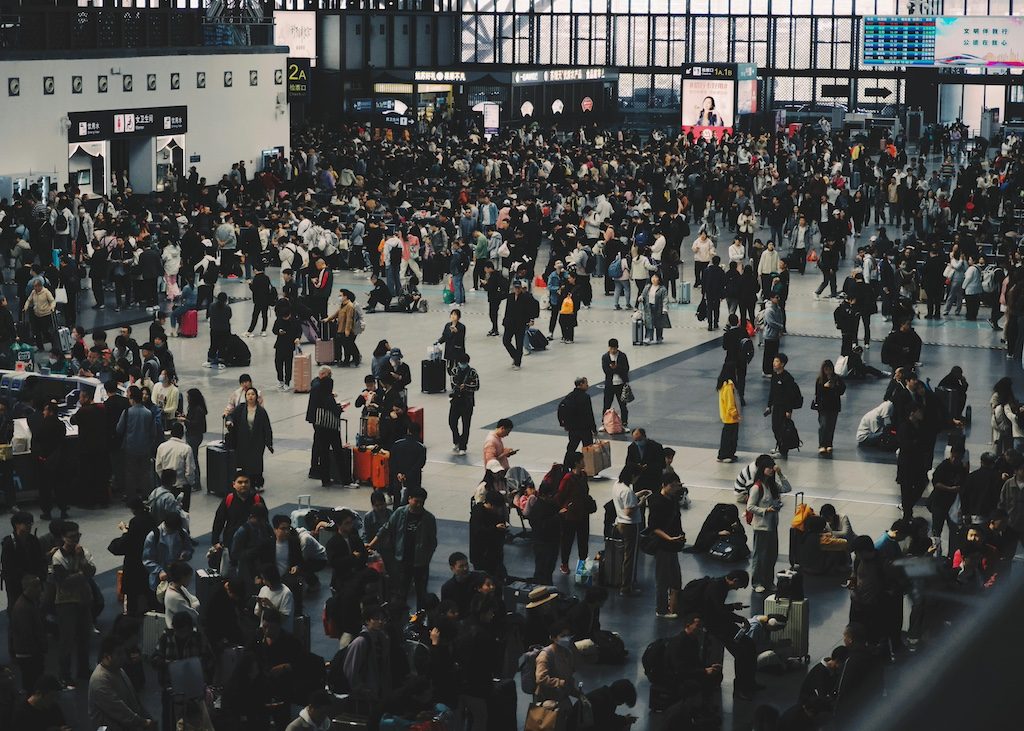
The numbers are grim. Processing a single passenger now takes roughly 90 seconds with EES, compared to just 20-25 seconds under the old system. That four-fold increase in processing time, combined with technological glitches and insufficient staffing, has created bottlenecks so severe that passengers are regularly missing flights. Rafael Schvartzman, Vice President for Europe at the International Air Transport Association, didn't mince words when describing the situation during the IATA Annual General Meeting. He warned of wait times stretching to three, four, five, even six hours, calling the situation unacceptable and describing it as a major obstacle that aviation leaders are treating as political theater rather than a real operational crisis.
The timing couldn't be worse. With roughly 52% of British adults planning to travel abroad in 2026, and many targeting summer getaways in the EU, airports are facing a perfect storm. Airlines like Wizz Air have already started issuing urgent advisories, instructing UK passengers to arrive three hours before their flights instead of the usual two hours. When a budget carrier tells you to show up even earlier, you know something's seriously wrong.
There is a small safety valve built into the system. During peak periods, EU border authorities can temporarily suspend EES biometric collection for six-hour windows. This measure runs through July and can continue into September if needed. However, relying on this exception is like hoping your flight gets bumped to a less crowded time slot. It's possible, but not guaranteed.
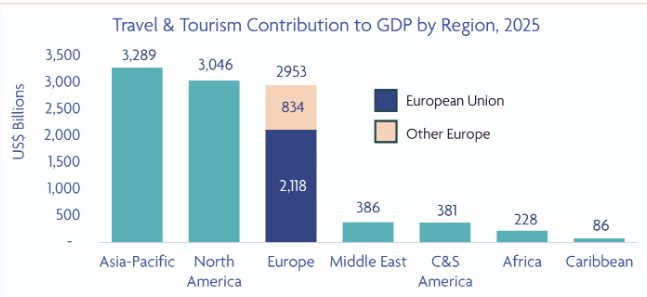
The economic fallout extends far beyond individual travelers. The World Travel and Tourism Council has warned that these border delays could jeopardize 41 million European visitor arrivals and cost the continent up to $45 billion in lost tourism revenue. That's not hyperbole. That's the actual cost of an unprepared infrastructure crash.
Transport expert Nicole Kerr of Mozio noted that holidays are supposed to be stress-free experiences. Instead, travelers are reporting confusion, anxiety, and serious time pressure. What should be an exciting moment (arriving in Europe!) has become a logistical endurance test. And this headache is just the appetizer. Later in 2026, the European Travel Information and Authorisation System (ETIAS) launches, requiring Britons to obtain travel authorization costing 20 euros per person before departure. Two new layers of bureaucracy arriving simultaneously is not ideal planning.
Here's what you actually need to do. First, book your travel with buffer time in mind. Arrive at the airport earlier than you think necessary (three hours for EU flights is now the bare minimum). Second, use strategies for avoiding peak travel times and consider visiting less congested EU nations if possible. Third, stay updated on which airports are managing the system better than others. Fourth, double-check all your documents before you arrive at the airport. Any passport issues will compound your wait time exponentially.
The silver lining? This chaos is temporary. Once airports add sufficient staffing, upgrade their technology, and authorities finalize their procedures, the EES should genuinely improve border security and reduce wait times. But that improvement isn't here yet. Summer 2026 is going to be rough for European travel, and honest planning beats nasty surprises every single time.