Walk through any airport this winter and count the ads that look slightly off. The hands with too many fingers. The smiles that don't quite reach the eyes. Generative AI has quietly colonized advertising, and travelers are noticing. So when a brand as big as Prada decides to go the other way, it's worth paying attention.
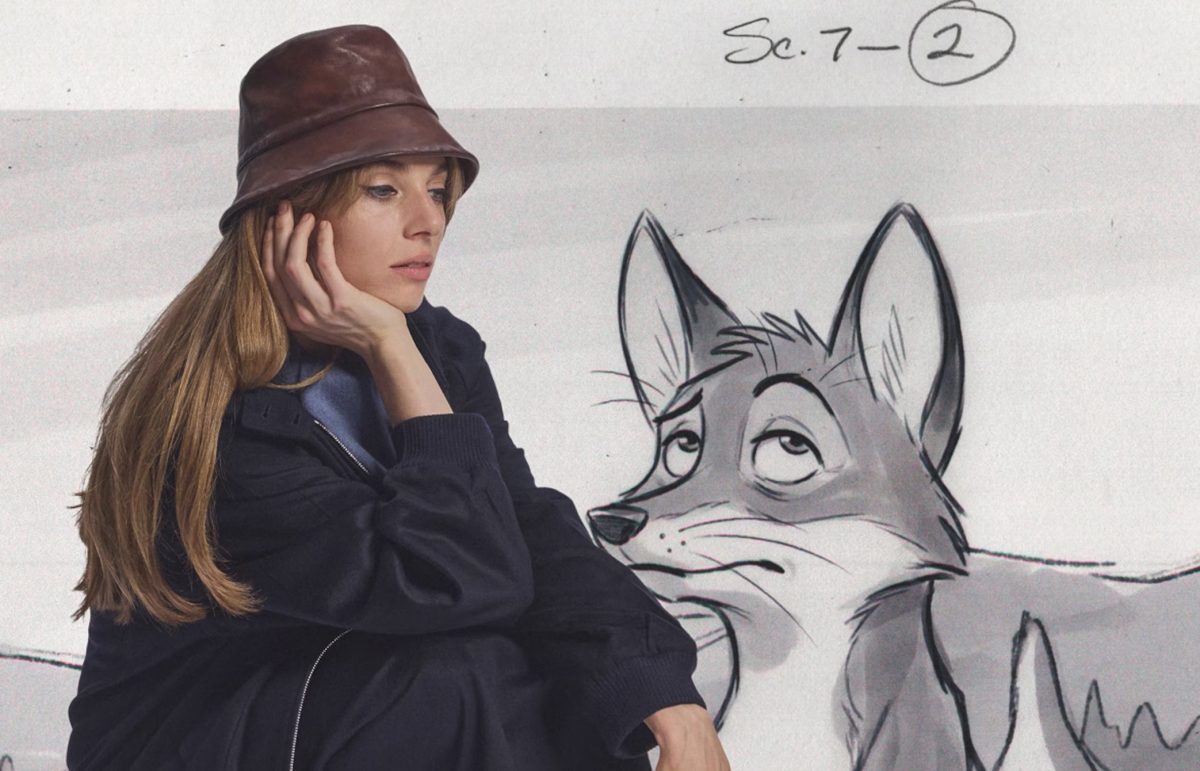
The Italian house's Holiday 2026 campaign, Drawing Prada: Animated By Hand, mixes live-action footage with characters drawn frame by frame in pencil and ink. No diffusion models. No prompt engineering. Just an animator, a stack of paper, and decades of muscle memory. You can see the full campaign on Prada's campaign page.
The animator behind the pencil
The drawings come from John Pomeroy, whose name might not ring a bell until you see his filmography. He animated on Winnie the Pooh and Tigger Too, The Fox and the Hound, and Atlantis: The Lost Empire. In a behind-the-scenes video, Pomeroy explains that he learned his craft the old way, with pencil and paper, and that he wants to pass that approach to the next generation. Hand-drawn animation is a deliberate choice, not a nostalgic accident.
His reasoning is simple. If the work is made by hand, people can see the value in it. That argument lands differently in 2026 than it would have five years ago, when AI-generated content was still a novelty rather than a flood.
Faces you'll recognize, drawn by someone you won't
The live-action half of the campaign was shot by photographer Glen Luchford and features Prada ambassadors Sadie Sink, Maya Hawke, Chen Haoyu, Kelvin Harrison Jr., and Luther Ford. Miuccia Prada and Raf Simons oversaw creative direction, with Ferdinando Verderi handling campaign creative direction. The result is a hybrid that feels closer to an illustrated storybook than a fashion spread.
That hybrid approach is the interesting part. Plenty of brands could have generated something similar in an afternoon. Prada chose to spend months instead. The campaign was developed under the creative direction of Miuccia Prada and Raf Simons.
Why this matters beyond fashion
Travelers are swimming in synthetic content right now. Hotel listings with impossible architecture. Destination guides written by nobody. Review sections that read like they were assembled by a machine that has never smelled salt air. The fatigue is real, and it's shaping where people choose to spend money.
Prada's bet is that human craft has become a luxury in itself. That tracks with what's happening elsewhere in travel, where the line between real and generated is getting harder to spot. If you've been following how AI can now mimic human emotions, you know the stakes. The technology is good enough to fool most people most of the time. Which makes the deliberate choice to work with humans a signal, not a gimmick.
There's a practical angle here too. If you're planning a winter escape and want experiences that feel genuinely made rather than manufactured, the same logic applies. A hand-built ice hotel in Sweden beats a render of one. A Cape Town guesthouse run by a family that's been there for three generations beats a chain with algorithmic pricing. Our guide to Europe's coolest winter hotels is a good place to start if that's the kind of trip you're after.
The bigger picture for winter travel
Prada isn't the only brand reading the room. Airlines and hotels are also recalibrating how they talk to travelers, sometimes with unexpected results. Lufthansa recently ran a campaign about the unspoken rules of flying, and it worked because it felt like it came from someone who'd actually been on a plane. Meanwhile, the economics of getting anywhere this season are shifting fast, with jet fuel prices forcing airlines to rethink their winter schedules.
None of this means AI is going away. It means the bar for standing out is rising. When anyone can generate a polished image in seconds, the things that take real time and real skill become the things people remember. Prada figured that out. The rest of the industry is watching to see if it pays off.