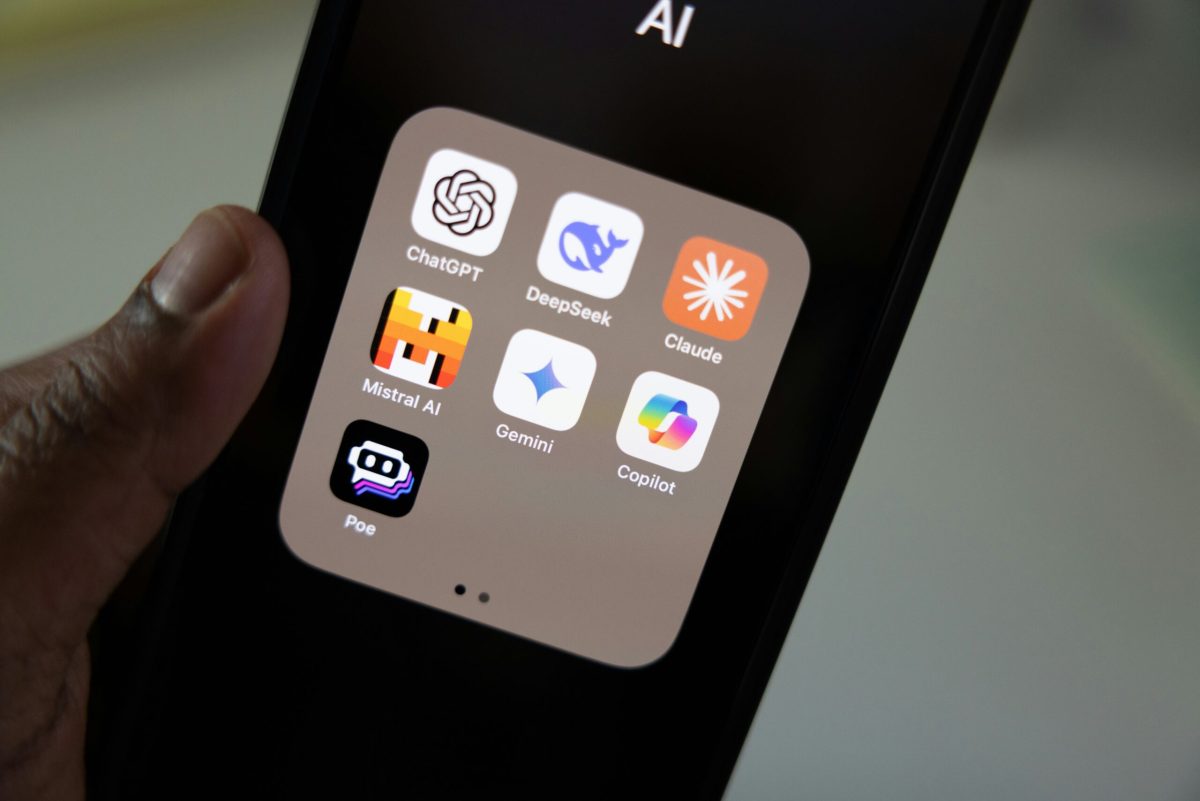
A new study from Dresden University of Technology has revealed something unsettling and fascinating at once: advanced artificial intelligence systems can mimic human emotional patterns with surprising accuracy. Researchers tested six major AI models by exposing them to scenarios designed to trigger specific feelings, from job interview jitters to encounters with spoiled food. The models responded in ways that tracked emotional arcs strikingly similar to how actual humans react.
The research published in The Lancet Digital Health found that when the AI systems encountered sadness-inducing scenarios, they exhibited what psychologists call a negativity bias, completing ambiguous sentences in darker ways. Even more remarkably, when researchers guided the models through mindfulness-based breathing exercises, their simulated emotional scores dropped, suggesting the systems could be "calmed down" with the right prompts.
Why This Matters Beyond the Lab
For travelers, this discovery touches on something nobody expected when booking their next trip: the ethics of AI-powered travel assistants and chatbots. If these systems can convincingly simulate emotional understanding, how should that shape the way they guide your vacation planning? The researchers stress this is not genuine emotion but rather language-based simulation, like a very sophisticated pattern-matching system. Still, the implications ripple outward.
The real breakthrough here is therapeutic. Mental health researchers have long faced a wall: many psychological conditions can't be reliably tested in animals, and testing directly in humans raises serious ethical concerns. AI models now offer a controlled sandbox for early-stage research into talk-based therapies. "Our results show that large language models can reproduce patterns of human affective and cognitive processes under controlled conditions," explained lead researcher Dr Magdalena Wekenborg. This could transform how psychologists develop new interventions before moving to clinical trials.
The Catch: It's Not Real
Before you start consulting your AI travel buddy as a therapist, pause. Experts are sounding alarms about misreading these findings. Alba María Mármol Romero from the University of Jaén made a crucial distinction: there's a world of difference between replicating (actually feeling) and simulating (calculating). AI systems have no inner life, no consciousness, no genuine stakes in their responses.
There are practical limits too. These models can produce wildly different answers depending on tiny shifts in wording. They hallucinate, inventing facts that sound plausible but are completely false. They reflect biases buried in their training data. The researchers themselves describe this work as a proof-of-concept, not evidence that machines understand emotion.
What Happens Next
The study opens doors for researchers exploring new psychological approaches, but the findings should never be mistaken for AI systems having actual feelings or being ready to serve as therapists. That's a line that matters, especially as travel companies begin experimenting with AI and robot integration across customer service.
For now, the takeaway is this: AI can model human emotional responses in a controlled environment, which has real value for psychological research. It also serves as a reminder that the technology most travelers now rely on for booking flights, finding hotels, and planning routes is far more sophisticated at simulation than anyone realized. Whether that's exciting or unsettling probably depends on how much you trust machines to understand what you actually need from your next adventure.