The cruise industry's carefully choreographed dance just hit a major snag. Celestyal, the intimate boutique operator known for intimate, culturally rich voyages, announced the cancellation of two Aegean sailings after a military crisis forced both its vessels to drop anchor in the Persian Gulf. The disruption underscores how quickly geopolitical shockwaves can ripple through travel plans, leaving thousands of passengers scrambling for answers.
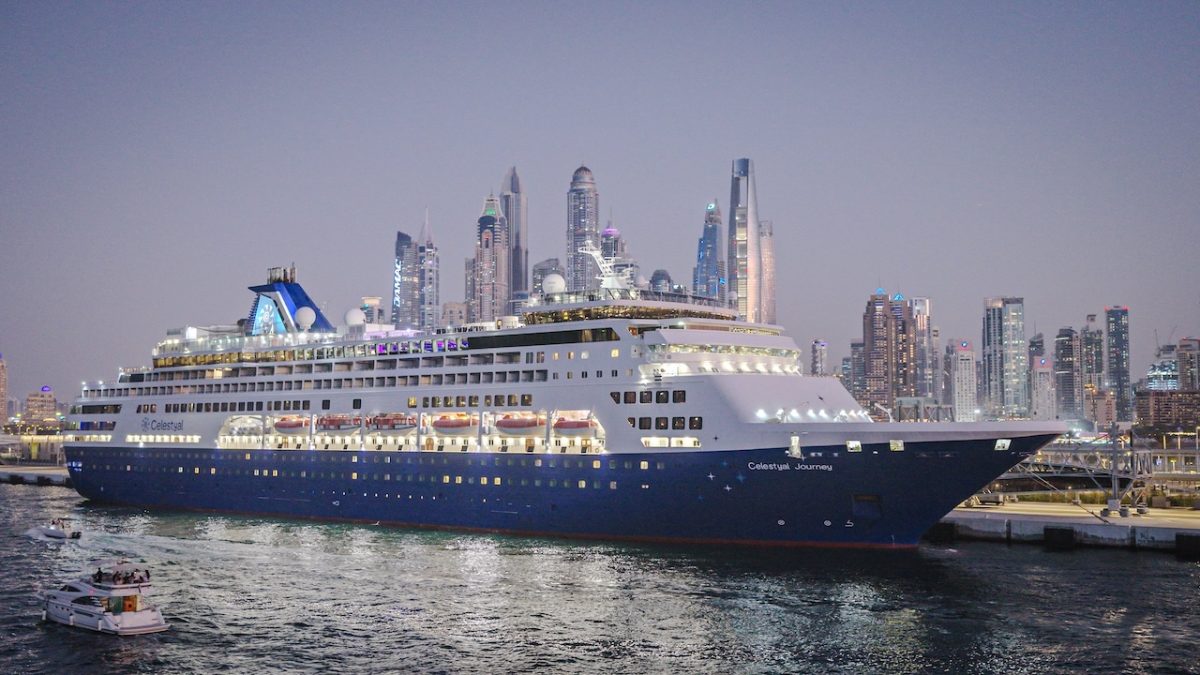
When tensions erupted on 28 February 2026, Celestyal's only two ships, the Discovery and the Journey, were mid-voyage through Arabian Gulf itineraries. Both vessels quickly repositioned to safety: the Discovery now sits in Dubai, while the Journey is anchored in Doha. By 9 March, Celestyal had confirmed that all passengers from the Discovery had disembarked safely, with the final guests from the Journey expected to leave within 24 hours.
Two Sailings Cancelled, Compensation Offered
Celestyal made the tough call to cancel two sailings scheduled for 20 and 23 March, both 3- and 4-night Iconic Aegean voyages departing from the Discovery. The cruise line cited the need to reposition the ship back to the Mediterranean for the summer season, given the unpredictable security situation. For affected passengers, the company is offering two options: a full refund or a future cruise credit. Travellers are urged to contact their original booking provider to lock in their preferred compensation method.
The company tried to project confidence despite the chaos. "Both vessels remain fully operational and ready to sail," Celestyal said in its statement. "Their departure from the region will take place in line with guidance from the relevant authorities." Still, the cancellations signal how uncertain the timeline remains for returning to normal operations.
The Strait of Hormuz Chokes Off a Critical Waterway
The root problem is the Strait of Hormuz, the narrow waterway squeezed between Iran and Oman. Since the crisis began, the strait has been effectively closed to shipping, cutting off the only sea route between the Persian Gulf and the open ocean. For cruise lines, it's not just an inconvenience; it's a complete barrier to moving ships in or out of the region. When entire regions close their shipping lanes, the logistics become nightmarishly complex.
On 12 March, Iran's new supreme leader, Mojtaba Khamenei (who took over following the death of the previous leader in US-Israeli air strikes), made Iran's position clear. The Islamic Republic, he vowed, would continue wielding the "lever of blocking the Strait of Hormuz" as a negotiating tool, despite claiming a desire for friendship with its Gulf neighbours. That hardline stance means the shipping restrictions are likely to persist.
Celestyal Is Not Alone in This Crisis
Celestyal isn't the only operator caught in the crossfire. MSC's Euribia is also anchored in Dubai after three final departures scheduled for 14, 21, and 28 March were scrapped. MSC has a longer runway to make decisions: the Euribia isn't due to sail again until May, when it's scheduled for Norwegian fjord cruises. That buffer gives the cruise giant more time to assess how the situation develops and plan its next moves.
For travellers with bookings in the region, the message is clear: stay in touch with your cruise line and travel agent, confirm your compensation options quickly, and consider how disruptions to your travel plans might cascade across other legs of your journey. The travel industry has proven resilient to crises before, but the Strait of Hormuz closure is a physical chokepoint that no amount of creativity can bypass. Until the strait reopens, the Mediterranean beckons as the safer play for cruise operators eager to get ships sailing again.