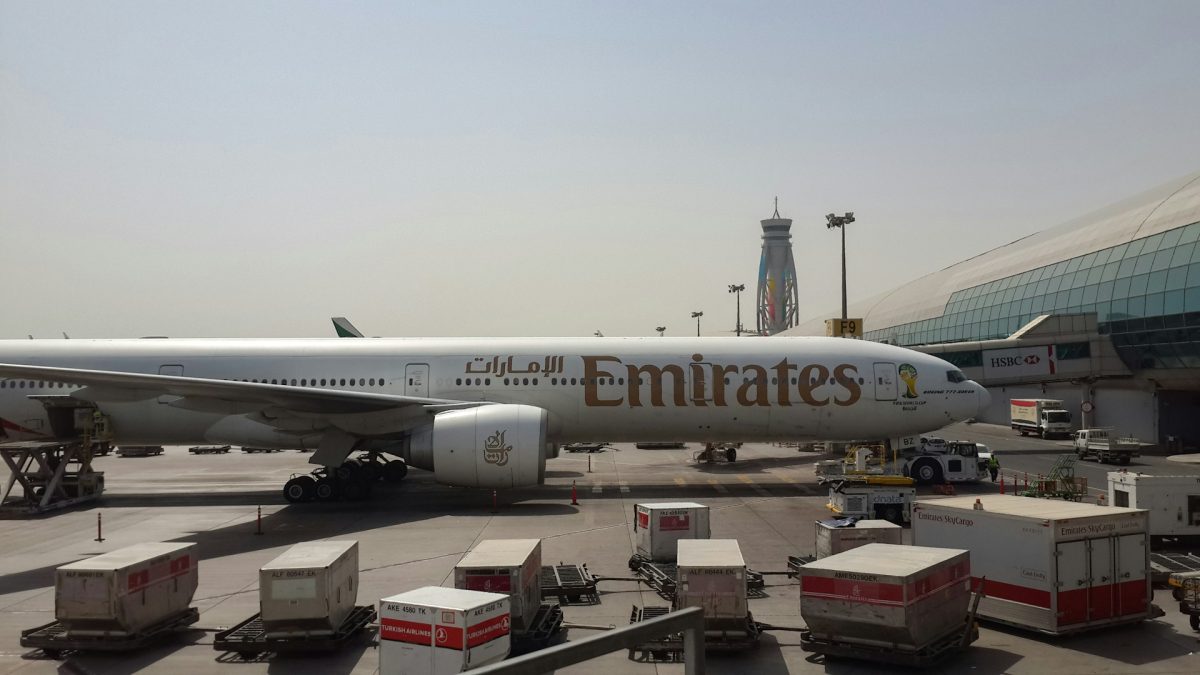
The Middle East skies went quiet in ways we haven't seen since the pandemic. When military tensions spiked across the region, entire countries locked down their airspace as a precaution. Iran, Iraq, Israel, Kuwait, Qatar, and the UAE either closed or severely restricted their skies. At one point, the airspace over these nations was nearly empty. Thousands of flights vanished from schedules. Hundreds of thousands of passengers found themselves stranded at major hubs like Dubai International Airport, one of the world's busiest. Airlines including Emirates, Etihad Airways, and Qatar Airways had no choice but to suspend or drastically cut their operations. The disruption ranked among the biggest shocks to global aviation since COVID-19 brought the industry to its knees.
Yet planes didn't stop flying entirely. Even as surrounding airspace turned into off-limits zones, some aircraft continued moving along carefully guarded routes known as safe air corridors. These aren't random flight paths. They're precisely defined highways through the sky, approved by aviation authorities and monitored with laser-focused intensity. Instead of enjoying the freedom to cruise across wide expanses of airspace, pilots must stick to these designated routes and specific altitudes. Air traffic controllers watch them constantly, ensuring aircraft maintain wider separation from one another than usual. The system lets some essential traffic keep flowing even when the region around it becomes too dangerous.
In the UAE, officials opened emergency corridors to preserve some level of operations. "The capacity as of today, based on the emergency routes available, is 48 flights per hour with a possibility of increasing this figure at a later stage, according to the latest development and security ratings and measures," said Abdulla bin Touq Al Marri during a government briefing. That sounds like a lot until you realize normal operations can handle far more. But even 48 flights per hour meant stranded passengers could finally leave the region. Airlines could start piecing their schedules back together, bit by bit.
The Technology Keeping Everyone Safe
Modern air traffic control relies on layers of sophisticated technology working in concert. Satellite navigation pinpoints where every plane is at any moment. Radar systems track movement independently. ADS-B tracking broadcasts position data in real time. Inside each cockpit, pilots have onboard collision avoidance systems like ACAS or TCAS that shriek a warning if another aircraft comes uncomfortably close. The International Civil Aviation Organization coordinates everything globally, helping countries share safety data and align their operations. Increasingly, artificial intelligence analyzes weather, traffic flows, and geopolitical alerts to help regulators and airlines spot risks faster and adjust routes on the fly. But humans still hold the keys. Aviation authorities, airline operations teams, and controllers make the final calls about what can fly.
Building a Corridor Requires Teamwork Across Borders
Creating these emergency routes isn't something one country does alone. National aviation regulators assess security risks with their neighbors and international partners. Air navigation service providers then design the exact routes and altitudes, publishing instructions in official aviation notices that feed directly into airline planning systems. It's coordination theater, and every actor has to know their lines.
That said, flying through corridors comes with trade-offs. Flights sometimes take longer detours to avoid restricted zones entirely. Aircraft get spaced further apart to maintain safety margins, which naturally means fewer planes per hour. During recent disruptions, incoming planes over Dubai actually had to circle in holding patterns while authorities briefly suspended operations after missile debris fell into the airport's airspace.
The Ripple Extends Around the Globe
Here's what most travelers don't realize: the Middle East isn't just another region on the aviation map. It's the crossroads. Flights between Europe, Asia, and Australia flow through it constantly. When Dubai and other major hubs throttle back to emergency levels, the effect ripples across the world. Airlines operating completely different routes thousands of kilometers away still face cancellations or costly reroutings. A passenger flying from London to Tokyo might find their journey disrupted because of events they barely know about. That's how interconnected modern travel has become.
Airlines had to scramble to evacuate thousands stuck in the region, while tourism operators watched helplessly as travel plans unraveled. The economic fallout extended from hotel cancellations to tour operators to rental car companies.
Yet for all the chaos, safe air corridors proved their worth. They're not perfect solutions, and they don't restore normal service. But they prevent complete paralysis. Cargo still moves. Business travelers can reach their destinations. Tourism limps along at reduced capacity. Most crucially, people stuck in the region aren't trapped indefinitely. When broader conflict threatens air travel across an entire region, these monitored, controlled pathways allow essential movement to continue while keeping everyone on the ground and in the air as safe as regulations demand. It's aviation's version of damage control, and it works.