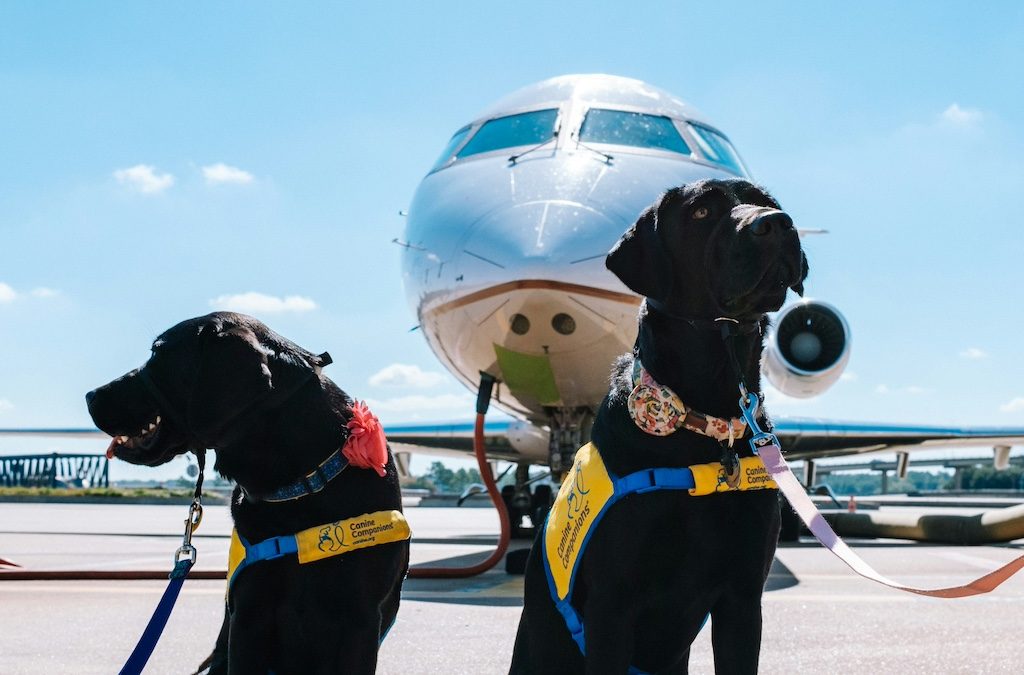
Traveling with a pet means accepting a certain level of chaos. The airport rush, the unfamiliar sounds, the confined space. For your dog or cat, it can feel overwhelming. For you, it's stressful watching them stress. But here's the thing: not every airline makes this harder than it needs to be.
Some travelers splurge on private planes or specialty pet airlines to spare their animals the anxiety. Most of us, though, fly commercial. And within that world, choosing the right carrier genuinely matters. A carrier that understands pets, that has clear policies and actually enforces them fairly, can transform the experience from miserable to manageable.
The Nine Airlines That Get Pet Travel Right
Years, a dog nutrition company that tracks pet-friendly travel practices, recently identified nine European carriers that stand apart for their thoughtful approach to animal passengers. The list includes KLM Royal Dutch Airlines, Lufthansa, Air France, Vueling, Aegean Airlines, Iberia, Air Canada, Turkish Airlines, and Qatar Airways. These airlines earned their reputation through transparent guidelines and genuine commitment to keeping animals comfortable during flight.
What separates these carriers from the pack? Clear policies. No surprises at the gate. No hidden fees that appear at check-in. They've thought through what pets need and communicated it upfront. Years' pet experts specifically praised these nine for their straightforward requirements and their focus on actual animal welfare, not just accommodating pets as an afterthought.
The Non-Negotiable Rules for Cabin Pets
If you're bringing your dog into the cabin with you, expect these standard requirements across most carriers:
- Your pet (plus carrier) must weigh no more than eight kilograms. That's a small dog. Borderline Chihuahua territory.
- The carrier stays under the seat in front of you for the entire flight. No exceptions, no roaming around at cruising altitude.
- Space is limited. Book your pet in advance, because a spot in the cabin for animals fills fast.
- Your animal needs to be healthy, vaccinated, and well-behaved. Airlines have the right to deny boarding to aggressive or unwell pets.
These rules exist for a reason. They keep your pet safe and everyone else on the plane calm. Breaking them usually means being deplaned, paying hefty fines, or getting blacklisted by the airline.
Prepare Your Pet's Gut Before Takeoff
Here's where most pet owners drop the ball: they don't prepare their animal's digestive system for the stress of flying. Pressure changes, temperature shifts, disrupted routines. Your dog's stomach reacts to all of it. A nervous gut makes for a nervous dog, and a nervous dog makes for a miserable flight.
Years recommends feeding your pet light, easy-to-digest meals in the days before departure. Include prebiotics and probiotics to stabilize their microbiome. Add omega-3 fatty acids to reduce inflammation. The goal is boring, predictable digestion. A calm digestive system often leads to a calmer animal overall. Less restlessness. Less excessive panting. Fewer incidents in the cabin.
"Flying is unfamiliar for dogs," a Years spokesperson explained. "Changes in pressure, temperature, and routine can all affect digestion. The goal is to keep the gut calm, stable, and predictable before travel. Calm digestion often equals a calmer dog."
Know the Risks of Pet Air Travel
In October 2025, the European Court of Justice made an official statement: pets traveling in cargo holds can legally be classified as baggage. Read that again. Your beloved animal, legally classified as luggage. The ruling highlighted serious risks involved when animals travel in pressurized cargo holds, where they can't be monitored and where conditions are harsh. This is why cabin travel, despite its tight quarters, is generally considered safer for your pet.
Before you book any flight, research your specific airline's pet policies in detail. Rules vary. Some carriers have different requirements than others. Some have better track records than others. Europe's busiest airports can mean longer waits, more confusion, and more potential stress for your pet. Smaller airports often mean faster processing and less chaos.
The nine airlines mentioned here have earned their reputation through consistency and transparency. If you're planning to fly across Europe with your four-legged companion, start your search with one of these carriers. Your pet's experience, and your own peace of mind, will thank you for it.