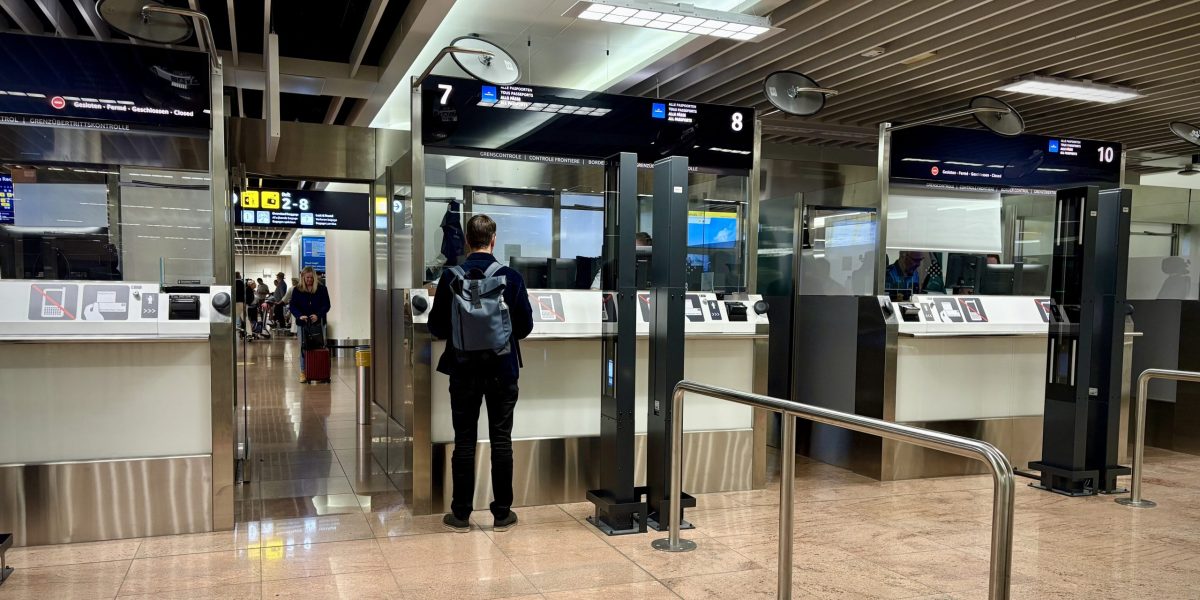
If you've landed in Brussels since the European Union's Entry/Exit System (EES) went live, you know the drill: long lines, tired travelers, and a border hall that feels like a pressure cooker. The airport has heard the complaints, and it's responding with a serious upgrade. Eight additional manual border-control booths are set to open in December 2026, boosting arrivals capacity by 66% and doubling the airport's manual capacity within a year. Six more e-gates are planned for early 2027.
The move comes after months of chaos. EES, which replaced passport stamping with digital registration for non-EU nationals on short stays in the Schengen Area, has been fully operational since April 2026. It captures travel document details, entry and exit records, facial images, and fingerprints. But the system's real-world performance has been rocky. At Brussels, processing a single arriving visa passenger during the morning peak now takes two to three times longer than before EES, according to the airport.
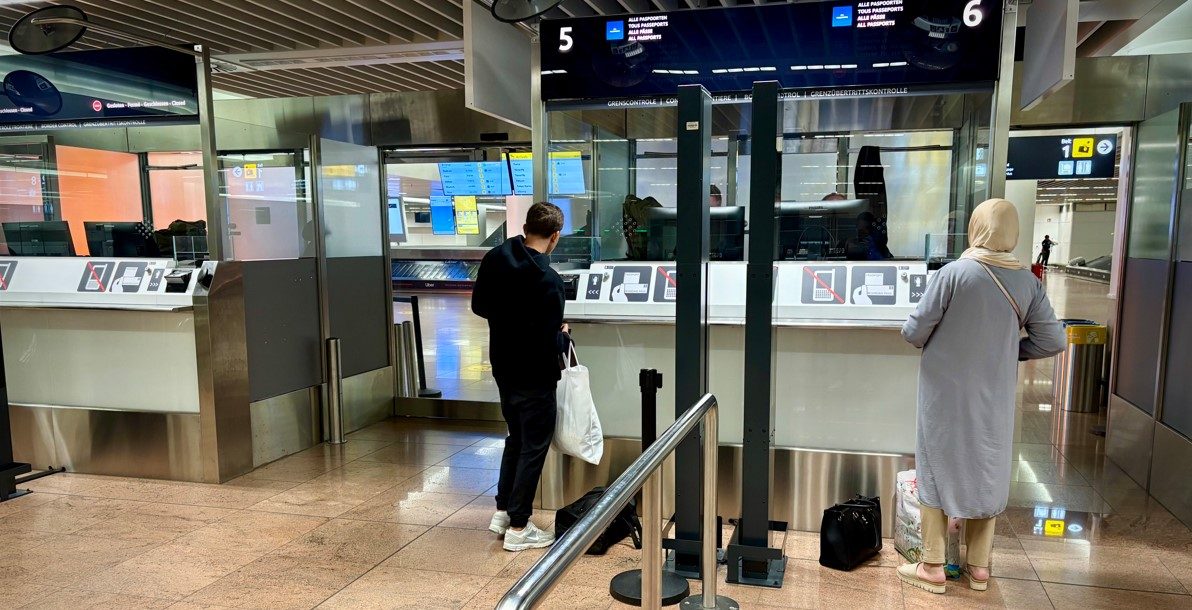
That slowdown has been brutal for travelers. In September, waits stretched to five hours after technical glitches and the loss of e-gate access for some nationalities pushed more people toward staffed booths. The existing setup can handle only about 500 to 600 non-Schengen passengers per hour, yet on busy mornings, nearly 3,500 can arrive between 6:00 am and 10:00 am. The math simply doesn't work.
Brussels isn't alone. Airports across Europe have reported waits of two to four hours as biometric enrollment grows. But Brussels, sitting at the heart of the EU and home to its institutions, has become a test case for whether infrastructure and staffing can keep pace with policy. EU Migration Commissioner Magnus Brunner warned in October that member states had enough time to prepare and urged authorities to fix the system before the Christmas rush. The pressure is on.
The new booths are a pragmatic pressure-release valve. More desks should shorten queues when border staff are available, and the extra e-gates are expected to improve flow next year. But the airport is clear: the infrastructure needs to be fully staffed, and broader fixes are essential. That includes allowing more non-European passengers to use e-gates and developing an effective registration app at the EU level. As Brussels Airport's announcement notes, these are long-term solutions that require coordination beyond the airport's walls.
For now, travelers should plan for delays. If you're flying into Brussels, arrive with patience and a fully charged phone. The airport had already increased manual positions by 20% at arrivals and 25% at departures in 2025, but the system's unexpectedly long processing times swallowed that extra capacity. The new investment is a step in the right direction, but it won't be ready until late 2026.
The bigger picture is about trust. EES was designed to make borders smarter, but so far it's made them slower. Brussels is pushing for an app that allows pre-registration, and for the flexibility to suspend EES registrations during peak times. Until then, the passenger experience depends on increased EES stability and coordinated action between airports, border police, and EU institutions. As the European Commission's EES page explains, the system is meant to modernize border checks, but the rollout has been anything but smooth.
For travelers, the practical takeaway is simple: check the latest wait times before you fly, and consider arriving earlier than usual. Brussels is working on the problem, but the fix isn't instant. In the meantime, the airport's expansion is a sign that officials are listening. Whether it's enough remains to be seen. For more on how Europe's border system is affecting travel, see Europe's New Border System Is Causing Five-Hour Lines and Airlines Are Fed Up and Brussels Airport's Five-Hour Lines Have Brussels and the EU Pointing Fingers.