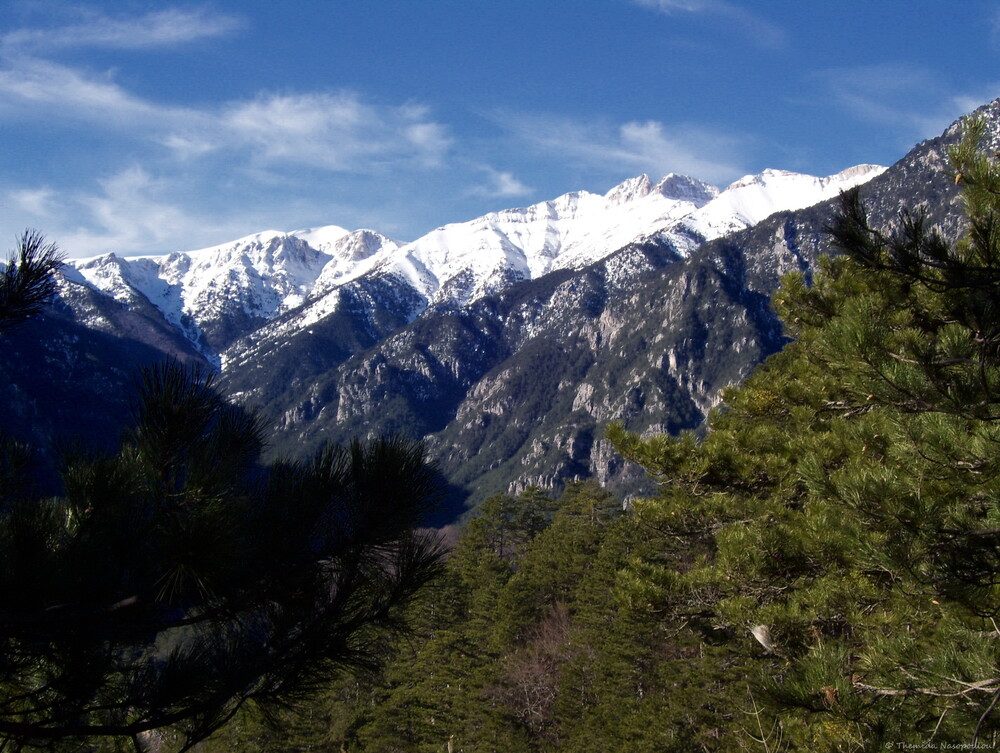
The home of Zeus, Athena, and the rest of the Olympian pantheon stands at 2,918 meters, dominating the Greek landscape with the kind of presence you'd expect from a divine residence. Mount Olympus has captivated imaginations for millennia, but now Greece is making an official bid to have UNESCO recognize what mythology and history have always known: this mountain matters.
The nomination process began in 2014 when Greece submitted the broader Mount Olympus massif to UNESCO's Tentative List. That first step is just the beginning of a long bureaucratic journey. The international bodies handling the review, including ICOMOS and the International Union for Conservation of Nature, wanted more evidence. They pushed Greece to better document the mountain's geological significance, its biodiversity, and its ecological processes. They also wanted stronger cultural documentation, which led Greece to incorporate the nearby archaeological site of Dion, an ancient city nestled at the mountain's base.
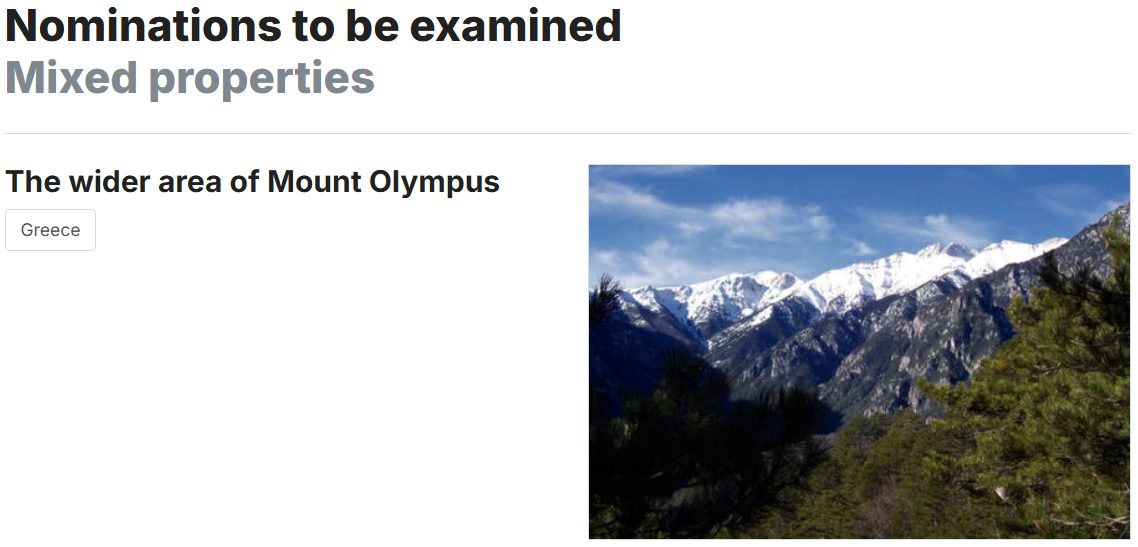
The wait ends in Seoul this July. Between July 19 and 29, 2026, the World Heritage Committee will make its decision. No one's certain which way it will go, but Greece is clearly positioning itself as a top travel destination, and a UNESCO nod would cement that status.
Why This Mountain Matters More Than Myth
"Mount Olympus is our life," says Evangelos Geroliolios, mayor of Dio-Olympos, a town at the mountain's base. "It is the place where we grew up, the place we see every day. At the same time, though, it is a place that carries myth, history, biodiversity, unique natural beauty and enormous cultural significance." That's not hyperbole. The mountain has been recognized as a national park for decades, which means certain rules are technically in place: no swimming in certain areas, no camping in others. But enforcement has always been loose, and those rules rarely stop determined hikers.
The real tension lies ahead. If UNESCO says yes, expect more visitors. Many more. Babis Marinidis, president of the Alpine Club of Litochoro and a professional mountain guide, has watched visitor numbers climb steadily. He used to oppose entrance fees and visitor registration systems. Not anymore. "How many people can this mountain, this ecosystem, bear?" he told the Associated Press. "I used to be against that. But now with so many people, I believe some limit must be imposed."
That's the paradox of World Heritage recognition: it brings prestige, funding, and protection, but it also brings crowds. A UNESCO listing could attract visitors eager to hike the same trails where Achilles might have once trained, yet that same influx could damage the delicate ecosystems UNESCO is trying to protect in the first place. Greece will need to think hard about managing visitor capacity without killing the experience that makes the mountain worth protecting.
What Happens If Greece Gets a No
UNESCO could ask for more information. It could reject the application outright. Or it could approve it on the spot. The uncertainty reflects how seriously the international committee takes these decisions. But even if the verdict is disappointing, interest in Mount Olympus isn't going anywhere. Christopher Nolan's upcoming film "The Odyssey" is bound to spark fresh fascination with Greek mythology, bringing new attention to the mountain regardless of what UNESCO decides.
For travelers planning a Greece trip, Mount Olympus doesn't need a UNESCO plaque to be worth visiting. The hike itself is accessible to moderately fit hikers, with trails ranging from a strenuous day climb to multi-day treks that camp at mountain refuges. The summit views stretch across the Aegean, the Thessalian plains, and on clear days, toward the distant horizons of other countries. Climbers who make it to Mytikas (the highest peak) join thousands of years of pilgrims and adventurers who've been drawn to this mythical mountain.
The decision comes in summer 2026, but if you're thinking about visiting Mount Olympus, don't wait for the verdict. Whether UNESCO recognizes it or not, this mountain has been sacred to travelers for longer than any committee has existed. The gods, it turns out, don't need official stamps of approval.