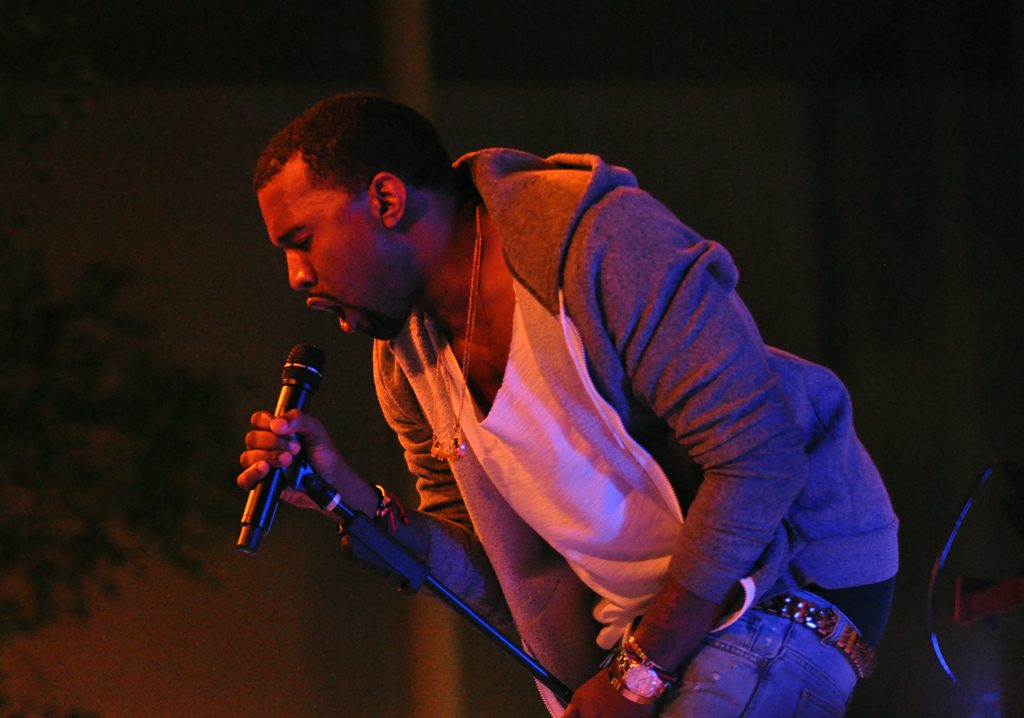
In early April 2026, the UK Home Office made a decision that would wipe one of London's biggest summer events off the calendar. The rapper Ye, formerly known as Kanye West, applied for an Electronic Travel Authorisation to enter the country on April 6. Within 24 hours, his application was rejected.
The Home Office cited concerns about public safety and extremism, stating that his presence "would not be conducive to the public good." The rejection was grounded in his past antisemitic remarks and public statements expressing admiration for Adolf Hitler. Though Ye had published a public apology in the Wall Street Journal in January 2026, attributing his actions to his bipolar disorder, the government decided the risk remained too significant.
Prime Minister Sir Keir Starmer's office issued a firm statement: "Where individuals pose a threat to public safety or seek to spread extremism, the government has not hesitated to act, and that includes cancelling permission to enter this country for extremist preachers and far-right figures." Starmer himself added that Ye "should never have been invited to headline Wireless" and emphasized the government's commitment to standing with the Jewish community against antisemitism.
Festival Organisers Act Swiftly
Wireless Festival, scheduled for July 2026, had booked Ye as the headliner for all three days of the event. Organisers learned of the entry ban on April 7 and made their decision the same day to cancel the entire festival rather than scramble for a last-minute replacement. In a statement, they acknowledged that "multiple stakeholders were consulted in advance of booking Ye, and no concerns were highlighted at the time." They committed to issuing full refunds to all ticket holders and reinforced their opposition to antisemitism in any form.
The cancellation left thousands of music fans disappointed, though it also raised questions about how such a booking had been approved in the first place. Like other major festivals that have faced sudden disruptions, Wireless organisers faced the messy reality of managing expectations when plans collapse. (For those watching other event cancellations, understanding how and why festivals get cancelled has become essential knowledge for travelers.)
Jewish Community Responds
Leaders within the UK's Jewish community welcomed the government's decision but expressed frustration that the situation had reached this point at all. Phil Rosenberg, president of the Board of Deputies of British Jews, stated it was "deeply regrettable" that the festival had extended an invitation in the first place. Rosenberg called for lessons to be learned across the events industry, arguing that "music festivals should be places where all communities feel welcome, not venues that platform individuals with records of profiteering from antisemitism, racism, and other repulsive views."
Since the ban became public, Ye has offered to meet with members of the British Jewish community to discuss his remarks and seek reconciliation. However, this overture came after the government's decision had already been made and the festival cancelled.
A Wider Pattern of Border Decisions
The UK Home Office has a track record of denying entry to high-profile figures on various grounds. Past cases include the rapper Tyler, the Creator, and American television personality Martha Stewart. These rejections reveal how immigration authorities worldwide increasingly scrutinize public statements and conduct when determining who crosses borders.
For travelers and festival-goers, the lesson is clear: major events can dissolve with little warning when performers or organizers face unexpected legal or political obstacles. The Wireless cancellation follows a broader trend of festivals facing disruptions, whether from budget cuts, policy changes, or other external pressures that organisers cannot always predict. Those booking tickets to major cultural events are wise to keep refund policies front and center and stay alert to any last-minute announcements.