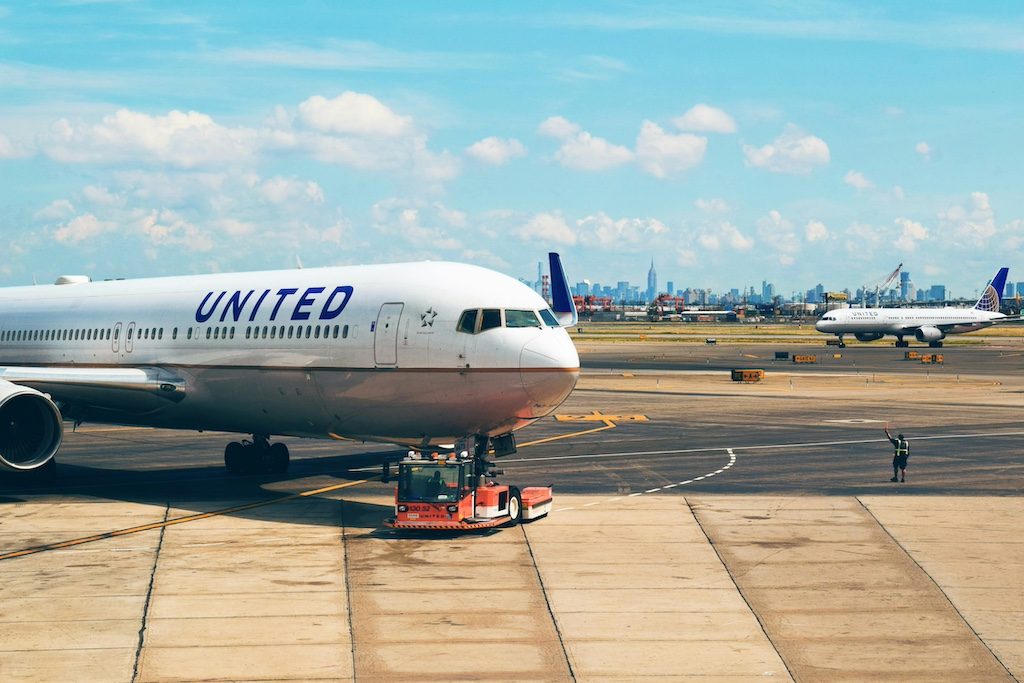
The aviation world is having a moment. Not the fun kind. Jet fuel prices have climbed to levels not seen since 2022, and the industry is scrambling to keep itself afloat. United Airlines just announced it will trim around 5% of its planned flights in the coming months, citing skyrocketing energy costs tied to Middle East tensions and disrupted shipping routes through the Strait of Hormuz.
CEO Scott Kirby was blunt about the math: if fuel prices stay elevated, the airline faces an additional $11 billion in annual expenses. He's already gaming out worst-case scenarios, preparing for oil to potentially hit $175 per barrel and stay above $100 through 2027. These aren't guesses. These are the numbers keeping airline executives up at night.
The Real Cost of Flying
Here's the thing about jet fuel: it's the second-largest expense for any airline, eating up roughly a quarter of operating costs. Labour takes the top spot, but fuel sits right behind it, making carriers walk an impossibly fine line. Keep fares too high, and passengers book with competitors or skip travel altogether. Raise prices too little, and you hemorrhage money. The fastest way out of this trap is to reduce the number of planes in the air.
For United, that means cancelling 3% of capacity during slower travel periods in the second and third quarters. Expect red-eye flights and Tuesday through Saturday departures to take the hardest hit. The airline has also suspended all service to Dubai and Tel Aviv, which accounts for another 1% of capacity. A final 1% comes from FAA capacity restrictions at Chicago O'Hare this summer.
American Airlines has already felt the damage. CEO Robert Isom revealed the carrier burned through an extra $400 million on fuel since the conflict began. That's real money. That's the difference between buying new aircraft and laying off staff.
The Silver Lining (Sort Of)
Kirby stressed that United's financial position today is stronger than during past crises. No emergency groundings. No mass layoffs. The airline is still taking delivery of around 120 new aircraft this year, including 20 state-of-the-art 787s, with another 130 planes on order through April 2028. That's bold, but it signals confidence the industry will recover.
The airline plans to resume its full schedule come autumn, assuming conditions stabilize. Demand for travel remains surprisingly robust, Kirby noted, though he acknowledged bookings could soften if high fuel costs persist. The strategy is simple: cut capacity now, weather the storm, and be positioned to pivot faster than competitors when the market shifts.
For context on how this crisis is unfolding across the region, check out how 25+ airlines are adjusting their Middle East operations and what that means for connecting flights and international travel.
The Problem Ahead
Here's the catch: even if the Middle East conflict resolved tomorrow, relief wouldn't come quickly. Restarting oil production, moving tankers back into position, reopening LNG facilities, and stabilizing shipping routes through the Strait of Hormuz could take months. Supply chains remain tangled. Insurance companies are nervous. Key transit corridors remain uncertain.
Ahmed Abdelghany, professor at Embry-Riddle Aeronautical University, told Wired that time is running out. The longer this persists, the more damage spreads through the industry. He backed United's decision to trim capacity, calling it "the right move at the right time." But even right moves in bad circumstances only buy you time, not solutions.
If you're planning travel to the Middle East or relying on connections through Gulf hubs, stay flexible. Check your airline's cancellation policies. Book on routes that don't depend on stressed hubs like Dubai. And if your flight gets axed, you'll at least understand why. The skies are adjusting to a new reality, and we're all along for the ride.