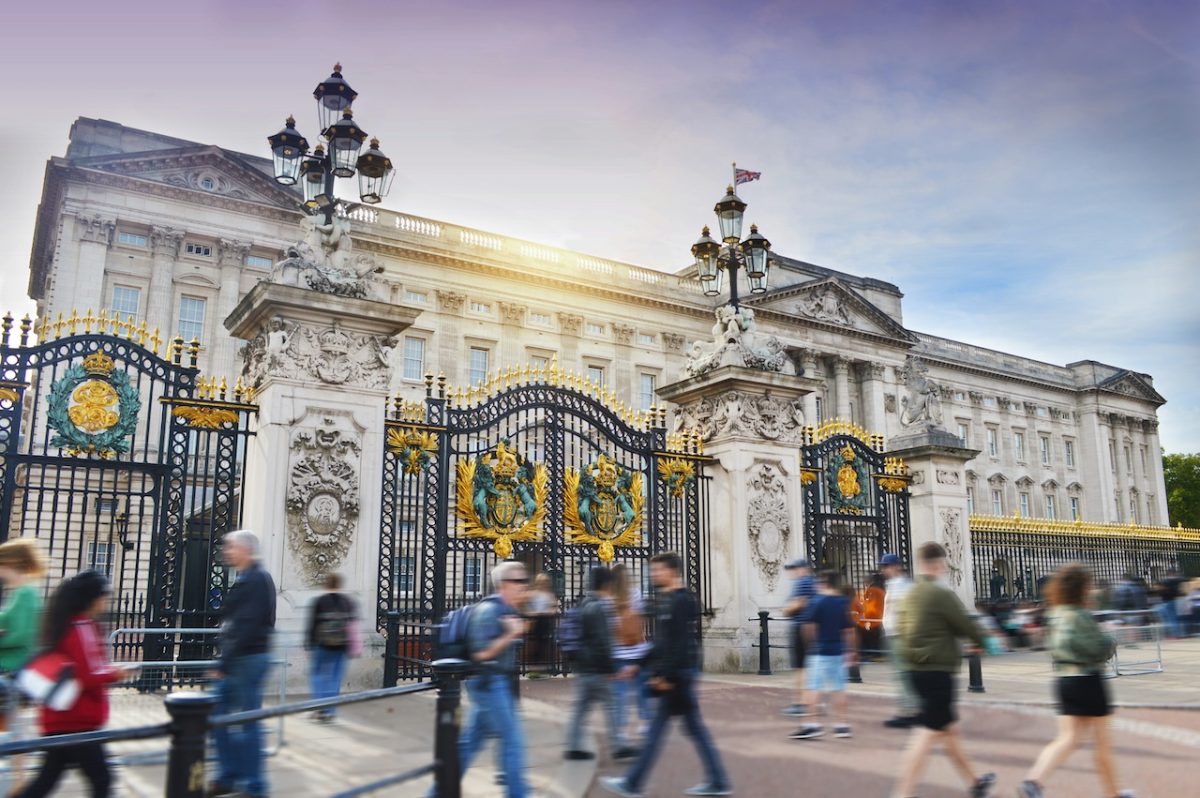
Picture this: you've got a freshly renovated mansion that cost £369 million to restore, and you're not moving in. That's exactly what King Charles III decided after Buckingham Palace's mammoth ten-year overhaul wraps up in 2027. Instead of settling into London's most famous royal residence, the monarch and Queen Camilla are staying put at nearby Clarence House, where they've lived since 2003.
The decision might sound puzzling at first. But it's actually a brilliant bit of strategic thinking that opens up one of the world's most iconic buildings to the traveling public in ways that simply weren't possible before.
Why a palace upgrade matters to travelers
The renovation wasn't about aesthetics or keeping up with the Windsors next door. Buckingham Palace had genuine problems. Electrical systems, lead pipes, and boilers installed 60 years ago were creating serious fire and water damage risks. The refresh was necessary infrastructure work hiding behind a royal name. When you're working with a building that's served as the official London home of the monarchy since Queen Victoria arrived in 1837, you can't just slap some fresh paint on the walls.
Interestingly, even Queen Elizabeth II wasn't keen on the palace initially. Prime Minister Winston Churchill had to convince her to move from Clarence House back in the day. The old guard has always preferred the quieter, more manageable residence down the road. King Charles is simply continuing that tradition.
What changes for visitors
Here's where it gets exciting for anyone planning a London trip. With the King not taking up permanent residence at Buckingham Palace, the venue can transform into something far more visitor-friendly. More rooms will be accessible to the public year-round. More guided tours. More opportunities to actually step inside one of the world's most recognized buildings rather than just staring at the gates.
From July 9 through September 27, 2026, the State Rooms open their doors to tourists. Standard advance tickets run £33, which is reasonable considering you're walking through centuries of royal history. Outside the summer season, visitors can access the palace through exclusive guided tour events on select dates. It's not quite open 24/7, but it's leagues ahead of what visitors were getting before.
A palace spokesperson laid out the official reasoning: "His Majesty retains huge affection for Buckingham Palace and a deep respect for its role in royal and public life. It will be a buzzing hive of royal activity in every other way." Translation: the building will still host state banquets, official audiences, and garden parties. The King will shuttle between Clarence House and the palace for state business. But the palace won't be a private royal residence taking up rooms that could otherwise welcome visitors.
The royal budget reality
For the first time, the British monarchy released full financial accounts, and they're surprisingly transparent. King Charles paid £12.9 million in taxes during 2024-2025. The Duchy of Lancaster estate and various investments fund his private income. The Sovereign Grant, which is state funding for the monarchy, jumped significantly to cover the palace renovation but will actually decrease to £99.9 million starting in 2027-2028, down from £137.9 million during 2026-2027.
That said, the core operating grant is nearly doubling compared to 2024-2025 levels. The increase covers maintenance at occupied royal residences, upgrades to cybersecurity systems, and new energy-efficient heating throughout the palaces. Translation: even modernized, these buildings are expensive to run. Like many historic properties open to the public, much of the annual budget goes toward keeping the infrastructure from falling apart.
The decision to keep Buckingham Palace primarily open to visitors while the royals stay comfortable at Clarence House shows some clever thinking. The King gets to avoid the hassle of uprooting his household at an age when moving sounds exhausting. The public gets unprecedented access to one of the world's most historically significant buildings. It's the kind of win-win that happens when those in charge actually think about what makes sense rather than just following tradition.
If you're planning a London visit, the timing could hardly be better. Mark your calendar for summer 2026 and beyond, because the palace that was largely off-limits to regular tourists is about to welcome you in.