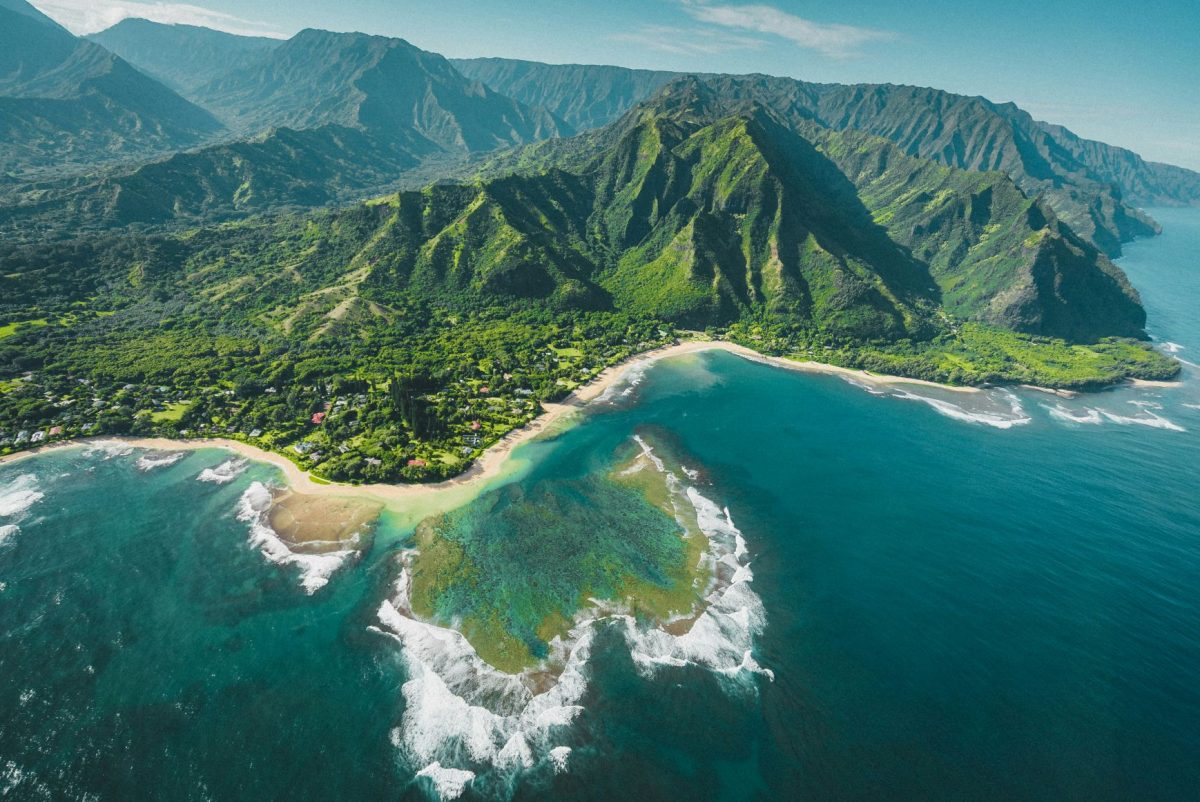
Kauaʻi is in recovery mode after Hurricane Lowell tore through the island, leaving downed trees, damaged roads, and thousands without power. Now, tourism officials are sending a clear message to travelers: hold off on visiting for now, but don't give up on Hawaiʻi entirely.
The storm, which intensified into a Category 5 hurricane before weakening, slammed the island with powerful winds and storm surge. Coastal properties took a beating, sections of road washed out, and hotels lost electricity. The damage is visible in before-and-after footage of Waimea Pier, now reduced to concrete pillars surrounded by flooded parkland and scattered tree limbs.
Two deaths in Hawaiʻi have been linked to the storm, and the governor has requested a major federal disaster declaration for Kauaʻi and Maui counties. At the airport, departing passengers faced long lines as the island worked to get people out and supplies in.
Tourism's Delicate Balance
Tourism supports roughly four in ten jobs on Kauaʻi, so any pause hits hard. Hotels, vacation rentals, restaurants, and tour operators all feel the pinch. But the impact is uneven. Koʻa Kea Resort in Poʻipū is offering refunds to affected guests and expects to return to normal within about two weeks. The Sheraton Kauai Coconut Beach Resort escaped structural damage but remains closed until power is restored.
For small businesses, the calculus goes beyond lost revenue. The Musubi Truck, a local food vendor, fired up its commercial kitchen and generators to serve nearly 600 free meals in Wailua, with nearby businesses chipping in drinks and equipment. Co-owner Kelly Kakalia prioritized getting food, water, and power to residents over keeping the business running, even passing along generators to families still in the dark. It's a reminder that visitor-facing businesses are also part of the island's emergency response network.
Conditions Vary by District
Travelers shouldn't assume the whole island is either closed or fine. Some areas escaped major damage, and at least one Poʻipū rental owner reported working water and accessible beach access. But the South Shore took a serious hit around Baby Beach, and local appeals warn that extra visitors could strain scarce food, fuel, and utilities. The status of your specific accommodation and the route to get there matter far more than a general impression.
What Travelers Should Do
If you have a trip booked or are thinking about going, here's the practical advice from tourism officials:
- Contact your provider directly. Confirm power, running water, access roads, staffing, and the property's reopening date before you travel.
- Review flexible options. Ask about rebooking or refunds. Policies vary, though some affected resorts have offered both.
- Consider rerouting. Moving your trip to another Hawaiian island can preserve your holiday while supporting the wider visitor economy.
- Avoid burdening relief operations. Unless you're traveling for family needs or organized assistance, postpone if essential services remain constrained.
- Monitor transport. Allow for airport congestion, service changes, and longer journeys where roads are damaged or being cleared.
This kind of situation isn't unique to Hawaiʻi. Brittany's growing resentment toward visitors shows how overtourism can strain destinations, while Dubai's tourism rebound after regional turmoil demonstrates how quickly places can recover when conditions align. For Kauaʻi, the path forward depends on balancing the need for space and resources with the livelihoods that depend on visitors.
Kauaʻi's recovery will require tourism to return, but at a pace that matches restored infrastructure and residents' needs. Clear, property-level updates are essential. Overly broad alarm could prolong losses for businesses ready to operate, while premature arrivals could divert supplies and staff from harder-hit communities. For travelers, flexibility is the most useful form of support. Verify, reroute, or postpone rather than assuming the whole island is either closed or unaffected.