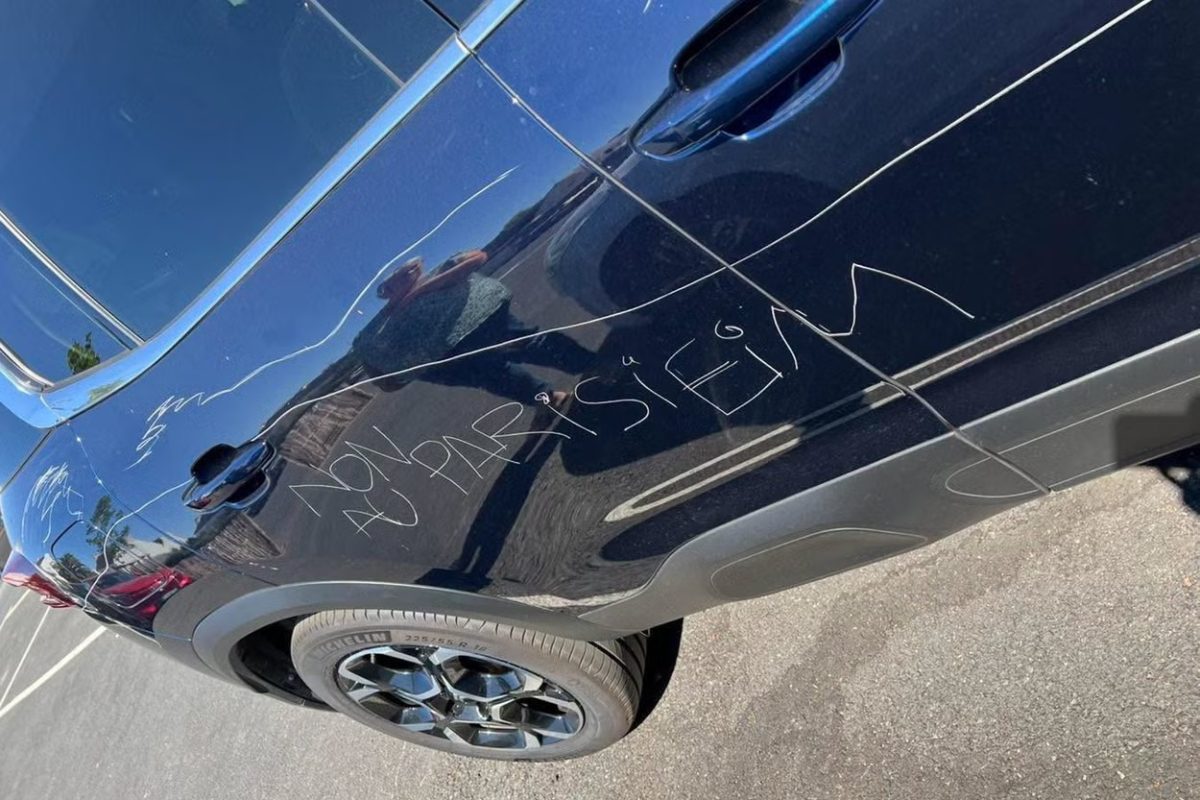
Brittany's charming seaside villages have always attracted visitors, but this summer brought something new: open hostility. Cars bearing Parisian licence plates were scratched with "Non aux Parisiens" and "Parigots dehors" (a derogatory slang for Parisians). Signs appeared in towns like Plogoff declaring "Parisians out!" In Penmarc'h, tourists encountered graffiti reading "Refugees welcome, tourists go home!" paired with verbal abuse from locals on bikes.
The vandalism caught the attention of local mayors, who quickly condemned the incidents on social media. Loïc Le Fur, mayor of Plobannalec-Lesconil, called the defacing "deeply shocking" and pledged his council's support to the victims. Yet the tone suggested frustration runs deeper than a few angry residents with spray cans.
What triggered this unusual outbreak of territorial aggression? The answer lies in climate change and travel behavior. Severe heatwaves and wildfires ravaged southern France this summer, sending sun-scorched tourists northward in search of cooler air. Brittany's Atlantic and Channel coasts became the obvious refuge. Towns unaccustomed to such numbers found themselves overwhelmed almost overnight. Like other European destinations grappling with tourism saturation, Brittany is discovering that popularity has a price.
The numbers tell the story. Penmarc'h, a town of 5,600 people, swells to over 17,000 in summer. The Finistère department recorded 7.4 million overnight stays between April and September last year alone, making it Brittany's most visited region. Nearly one-third of those visitors come from the greater Paris area. Parking vanishes. Housing markets tighten as investors snap up second homes. Local infrastructure bends under pressure it was never designed to handle.
Yet here's where the story gets complicated. Anne Gallo-Kerleau, president of Tourisme Bretagne, insists that this summer's visitor numbers were actually no higher than usual. She argues that anti-tourist sentiment has always simmered beneath the surface. A regional survey found that 89% of Bretons find tourism acceptable, which suggests the vocal minority making headlines doesn't speak for the whole region. The vandalism, in her view, reflects long-standing tensions rather than a sudden crisis.
Brittany is far from alone in this struggle. European cities from Barcelona to Venice are implementing taxes and visitor caps to manage the pressure. The Île de Ré has reportedly distributed "Parisians go home" leaflets. Corsica's dormant independence movement has resurged with an ominous message to second-home owners: don't assume you're safe here. The pattern suggests something structural is shifting in how locals view tourism.
The real driver behind Brittany's friction isn't just numbers, though. It's the flavor of travelers arriving. As Mediterranean destinations grow hotter and less appealing, the concept of "coolcations" is reshaping European travel. Families and vacationers are shifting their summer plans away from traditional hot-weather destinations toward northern coasts. This trend will likely accelerate as climate patterns continue to shift, pushing more people toward Brittany and similar regions year after year.
For travelers planning a Breton escape, the takeaway is clear: go, but do so thoughtfully. Support local businesses, respect quiet hours, and recognize that you're arriving in someone's home, not a theme park. The tension simmering in towns like Plobannalec-Lesconil and Penmarc'h reflects a real problem: tourism growth that outpaces communities' ability to absorb it. Until Brittany (and places like it) figure out sustainable visitor management, expect the friction to simmer and occasionally boil over. Some regions are learning to charge for access or limit arrivals. Until Brittany follows suit, tensions may keep rising.