If you've been dreaming of a rail adventure across Japan, your timing matters. Come October 1, 2026, the Japan Rail Pass will cost you more. The Japan Railways Group has announced its first price adjustment in three years, and the numbers are real enough to make travel planners sit up and take notice.
Here's what you're looking at under the new pricing. A standard seven-day pass for adults jumps from 50,000 yen to 53,000 yen (roughly 284 euros). Spring for the Green Car premium option, and you'll pay 74,000 yen instead of 70,000 yen (about 395 euros). If you're planning a longer escape, the 14-day ordinary pass climbs to 84,000 yen (520 euros), while the 21-day version reaches 105,000 yen (650 euros) for standard seating. First-class travelers see an even steeper jump, with the 21-day premium pass hitting 147,000 yen (910 euros).
Why now?
The rail company isn't raising prices in a vacuum. Regional operators across Japan, including East Japan Railway, West Japan Railway, Hokkaido Railway, and Kyushu Railway, have already bumped their own fares. The national pass adjustment simply reflects this broader shift in the cost of running trains across the country. It's been three years since the last major revision, so the cumulative effect shows.
The Japan Rail Pass remains one of the smartest deals for foreign visitors exploring the country. You get unlimited travel on most JR-operated services, including the shinkansen bullet trains that zip between Tokyo, Kyoto, and beyond, plus rapid, express, and local trains. It's available only to tourists entering Japan under temporary visitor status, and you typically need to buy it before arrival through overseas agents or the official JR reservation platform.
Timing your trip matters
Anyone booking a Japan adventure for autumn 2026 faces a choice: buy now before the hike, or wait and pay more. The pass is still transformative for your budget if you're planning to hop between regions, but calculate carefully. If you're sticking to one area or taking fewer trains, a regional pass or individual tickets might make more sense.
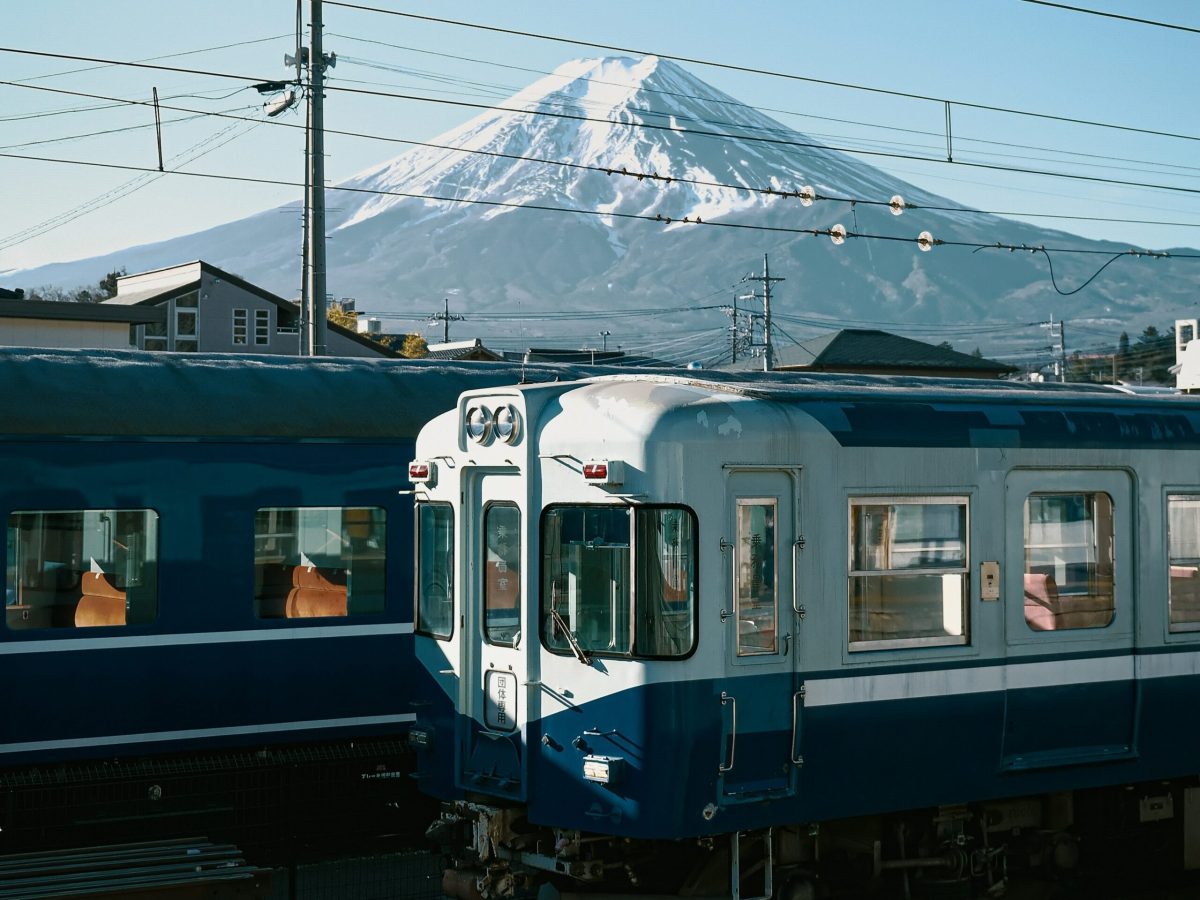
The price increase arrives as Japan grapples with record tourism numbers and the growing pains that come with them. Authorities have started imposing access fees and limits at popular sites like Mount Fuji and certain temples. Kyoto officials have asked visitors to respect the privacy of the geisha community. In March 2026, the city introduced Japan's highest hotel tax as infrastructure strains mount. Even the sacred ponds at Oshino Hakkai have suffered from overtourism, with officials begging visitors to stop tossing coins into the water after the practice damaged the fragile ecosystem.
Some destinations have taken drastic steps. Authorities cancelled a cherry blossom festival near Mount Fuji after years of chaos and overcrowding. The decision reflects a broader tension between welcoming international travelers and protecting local communities and cultural heritage.
So yes, the Japan Rail Pass is getting more expensive. But Japan remains a destination worth saving for, price hike or not. Just plan ahead, understand what the pass actually covers for your itinerary, and book before October if you want to lock in the current rates. The country's trains, temples, and landscapes aren't going anywhere.