There's a particular kind of magic that happens when travelers arrive at a famous place and decide to participate in a ritual they've seen elsewhere. Toss a coin, make a wish, walk away hopeful. It's a custom so ingrained in tourist behavior that few question whether it belongs where they're doing it.
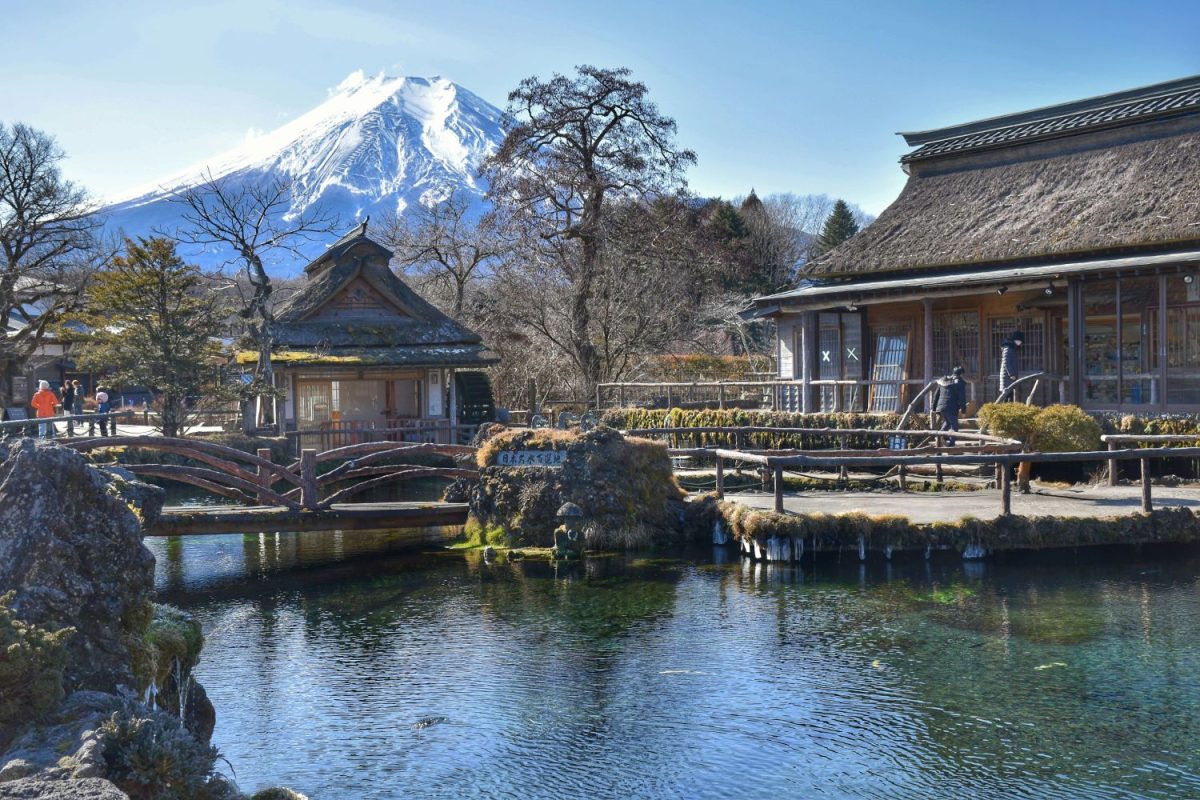
That's precisely the problem facing the eight sacred ponds in Oshino Hakkai, a small village nestled at the foot of Mount Fuji. These pools, fed by underground springs of the volcano's meltwater, are extraordinary in their beauty and historical weight. For centuries, devotees of the Fuji-ko faith (a spiritual tradition centered on worshipping Mount Fuji) would bathe in these waters as a purification ritual before attempting the mountain's climb. Local legend also held that the ponds offered clarity on moral questions, making them places of genuine spiritual refuge.
Today, they're buried in coins. Not dozens. Not hundreds. Fifty thousand coins have been physically removed by officials in an ongoing cleanup effort that feels less like environmental restoration and more like Sisyphean punishment. "It's an endless cycle," one official spokesperson said, exhausted. "As soon as we pick them up, more are thrown in."
When Tourism Becomes Tradition
The coin-tossing phenomenon exploded after 2013, when UNESCO designated the ponds as a World Heritage site. The recognition should have brought prestige and carefully managed cultural appreciation. Instead, it triggered a tourism surge that overwhelmed the village's delicate ecosystem and local tolerance. Tourists arriving from around the world brought their own customs with them. In their minds, throwing coins into bodies of water brings good fortune. They had no knowledge that this practice has no historical place in Japanese culture, and that these particular waters carry meaning that predates their own countries' traditions by centuries.
The village responded by setting up offering boxes, hoping visitors would contribute coins there instead. That strategy has done little to stem the tide. Officials have posted signs in multiple languages begging people to stop. The coins themselves pose an environmental puzzle. As they corrode, there's genuine concern about metal compounds seeping into the water. Interestingly, water quality tests haven't yet shown measurable contamination, but that doesn't mean the risk isn't real.
The problem mirrors struggles at other UNESCO sites around the world. The Giant's Causeway in Northern Ireland, a geological wonder up to 60 million years old, is being damaged by visitors wedging coins between its ancient rocks until they rust. Slovakia's Vlkolínec, a UNESCO-listed hamlet, has been overwhelmed by roughly 100,000 visitors annually, turning a quiet village into what one resident called a "tourist zoo" and "living nightmare." When international recognition brings crowds, local communities often pay the price.
A Crisis of Success
The strain on Mount Fuji's immediate surroundings has become so acute that authorities implemented an access fee on the mountain's trails as part of a broader overtourism management strategy. This year, the village's beloved annual cherry blossom festival was cancelled entirely due to mounting pressure on local infrastructure and residents' quality of life. These are not abstract inconveniences. They represent real communities watching their heritage become inaccessible to themselves.
Japan as a whole is grappling with tourism impact in ways that other destinations have learned painfully. Japan's tourist boom has hit obstacles in recent years, forcing conversations about sustainable visitation. The Mount Fuji situation crystallizes a core tension in modern travel: how do we visit places we love without destroying them in the process?
For travelers planning visits to Oshino Hakkai, the message is straightforward. The ponds are stunning and worth experiencing. But they're not wishing wells. They're not Instagram backdrops for personal mythology. They're sacred spaces with historical continuity that tourists are interrupting, not enhancing. Leave your coins in your pocket. Respect the posted signs in languages you can read. Better yet, read about what these waters actually mean to the people who call this place home before you arrive.
The real souvenir from a place like this isn't a photo or a lucky wish. It's understanding. That costs nothing to carry home, and unlike coins, it actually improves the water.