The UK's music scene just cashed the biggest check of its life. New data from UK Music reveals that 2025 became a landmark year for music tourism, with nearly 25 million visitors traveling specifically to catch live performances. That's a 4.8% jump from 2024, but the real story sits in where those people came from and what they spent.
International music fans drove most of the growth. While domestic audiences increased by 3.2% to reach 22.6 million visitors, foreign tourists surged by a stunning 26.8% to hit 2.1 million. The message is clear: the rest of the world wants a piece of British live music.
The Oasis Effect
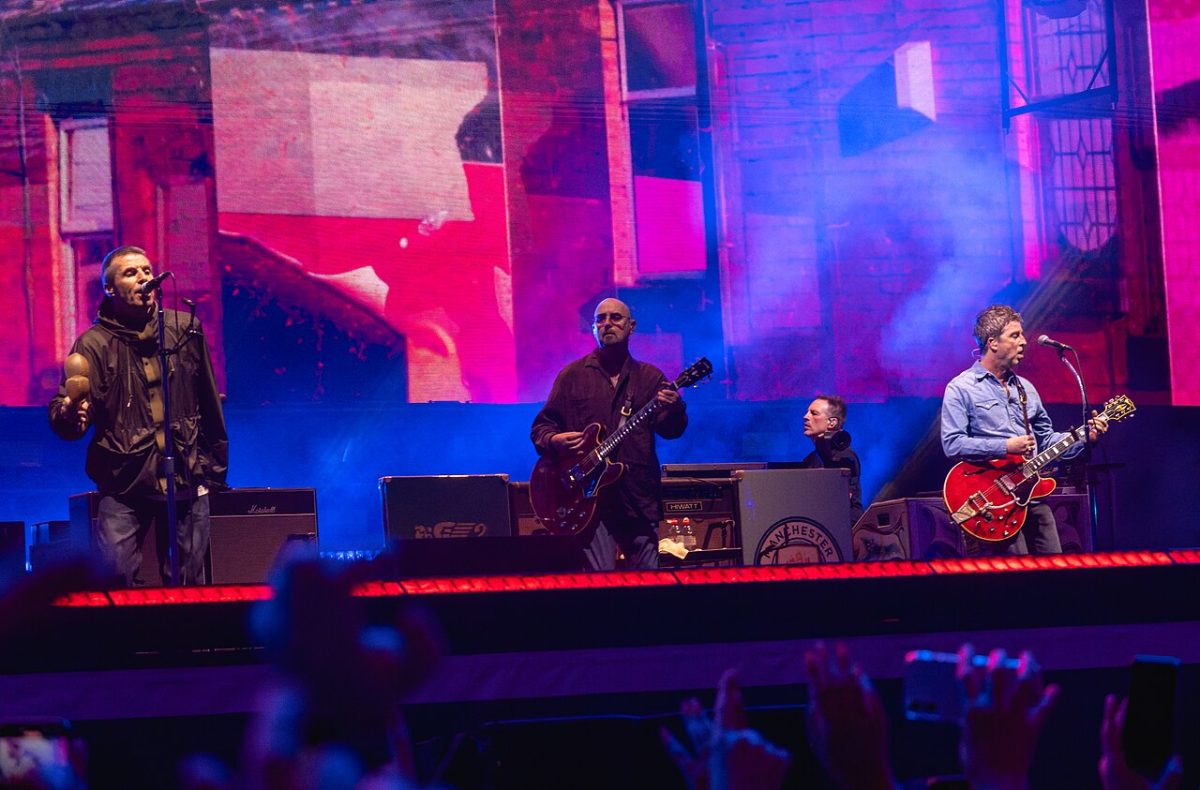
None of this happens without Oasis. The Manchester brothers reunited for 17 shows across the UK, all selling out instantly. Seven gigs landed at London's Wembley Stadium, with five more at their home turf in Manchester. The band's return didn't just sell tickets, it fundamentally shifted how people book flights and hotels around music events. Thirty-year-old tracks like 'Wonderwall' have even seen a surge in streams, proving the nostalgia hit genuine audiences worldwide.
But Oasis wasn't alone. Ed Sheeran brought his regional homecoming shows to East Anglia. Beyonce, Coldplay, Dua Lipa, and Kendrick Lamar all drew massive crowds. Glastonbury Festival pulled 210,000 music lovers to Somerset in June, with headliners like Neil Young and Charli xcx helping generate a record 75.2 million pounds in revenue.
The Money Flows Everywhere
Total music tourism spending reached 11.2 billion pounds, up 11.3% year-on-year. The per-person average? 766 pounds per visitor on accommodation, food, merchandise, and transport. London captured the biggest slice, with music tourists spending 27.4% more than the previous year for a total of 3.4 billion pounds. The North West region, home to Manchester's music legacy, also saw a healthy 15.6% increase.
What makes these numbers especially powerful is where the money actually goes. Of that 11.2 billion pound total, 5.7 billion came directly from ticket sales, food, drink, and hotel bookings. The remaining 5.5 billion flowed through the entire supply chain, from security contractors to restaurants restocking for festival weekends to transport operators managing the crowds. That's 74,000 full-time equivalent jobs supported by people simply wanting to hear live music.
UK Music's chief executive Tom Kiehl put it plainly: "The billions spent are a huge shot in the arm for towns and cities right across the UK and benefit hotels, restaurants, bars and transport firms and thousands of other businesses." This isn't just about concert venues anymore. A music tour weekend reshapes entire local economies.
Challenges and Momentum
The sector does face headwinds. Forty-three festivals were cancelled in 2025, meaning the total could have climbed even higher. Ticket touting and unfair pricing practices remain persistent problems that authorities are working to crack down on. Grassroots venues and smaller suppliers in the chain still need more support to thrive alongside the megastars.
Despite these obstacles, the trajectory is undeniable. The UK's live music industry commands global attention and translates that into real economic benefits across regions. Whether you're a festival devotee scouting your next destination or a curious traveler looking for an excuse to explore Britain, the sheer variety and caliber of live performances now justifies a music-focused trip entirely on its own.