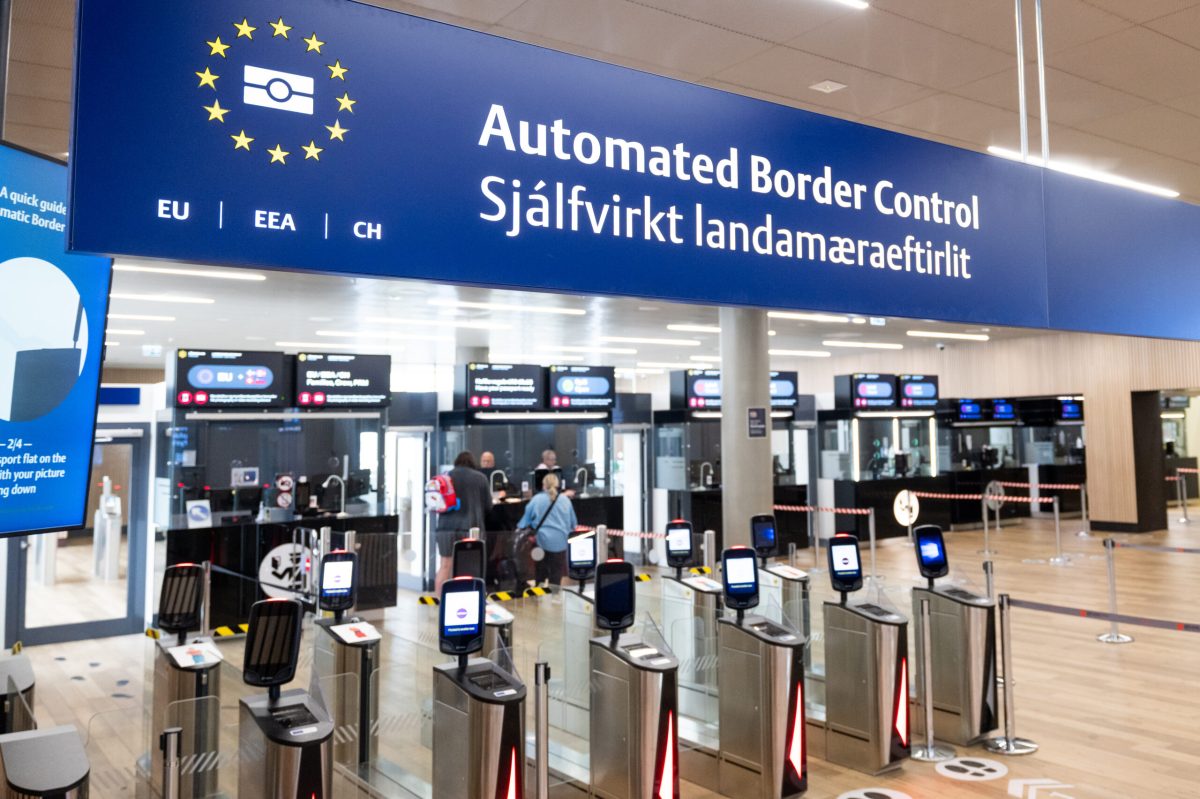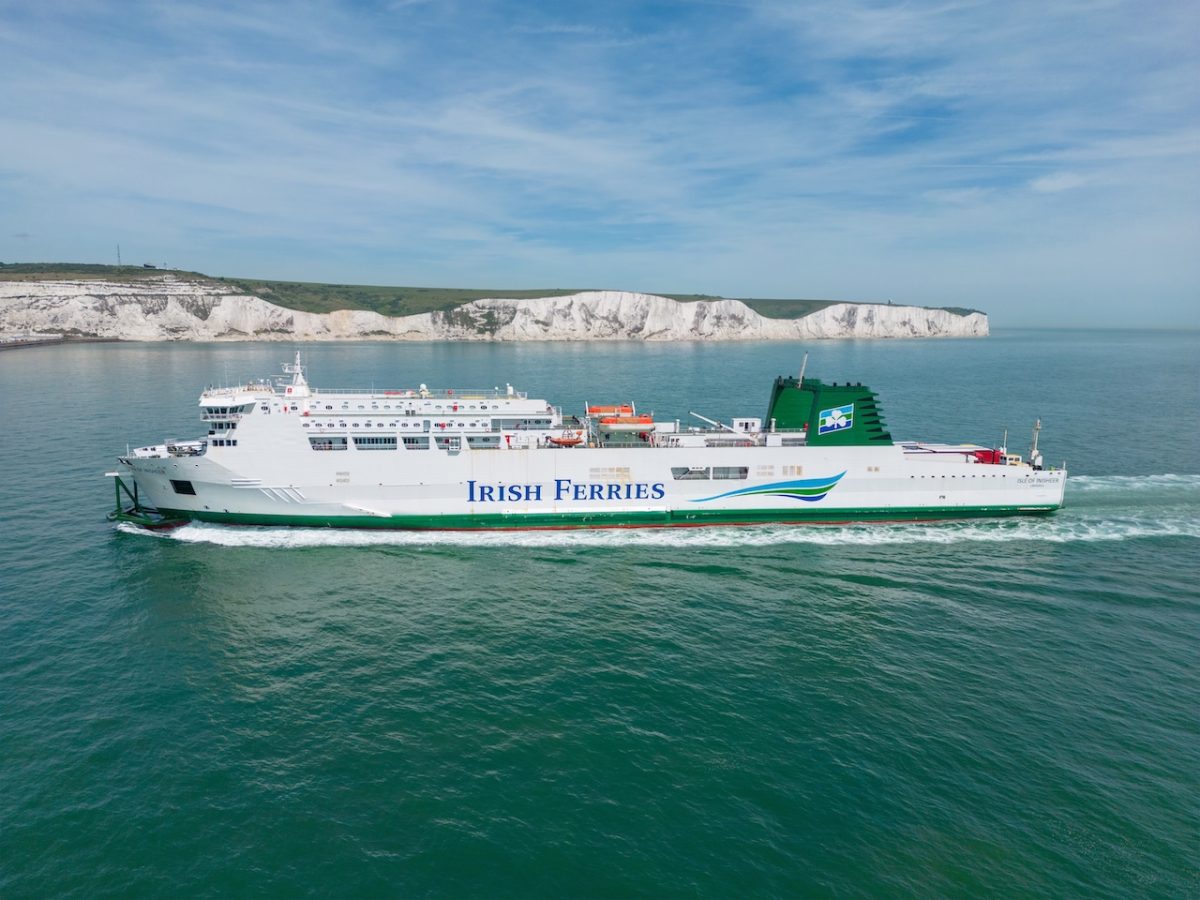
Pack your passport for that Irish Sea crossing. Come September 28, 2026, the casual identity document approach that once made ferry travel between Britain and Ireland refreshingly simple is disappearing. Major operators including Stena Line and Irish Ferries are implementing stricter boarding requirements, marking a significant shift in how the centuries-old Common Travel Area actually works in practice.
Stena Line, which runs services from Holyhead to Dublin and Fishguard to Rosslare, will require every passenger to present a valid passport before boarding. Irish Ferries is doing the same across its Dublin-Holyhead and Rosslare-Pembroke routes in both directions. The ferry companies and UK Border Force say the move ensures "accuracy and integrity of passenger data before boarding," but the reality is simpler: show a passport or don't board.
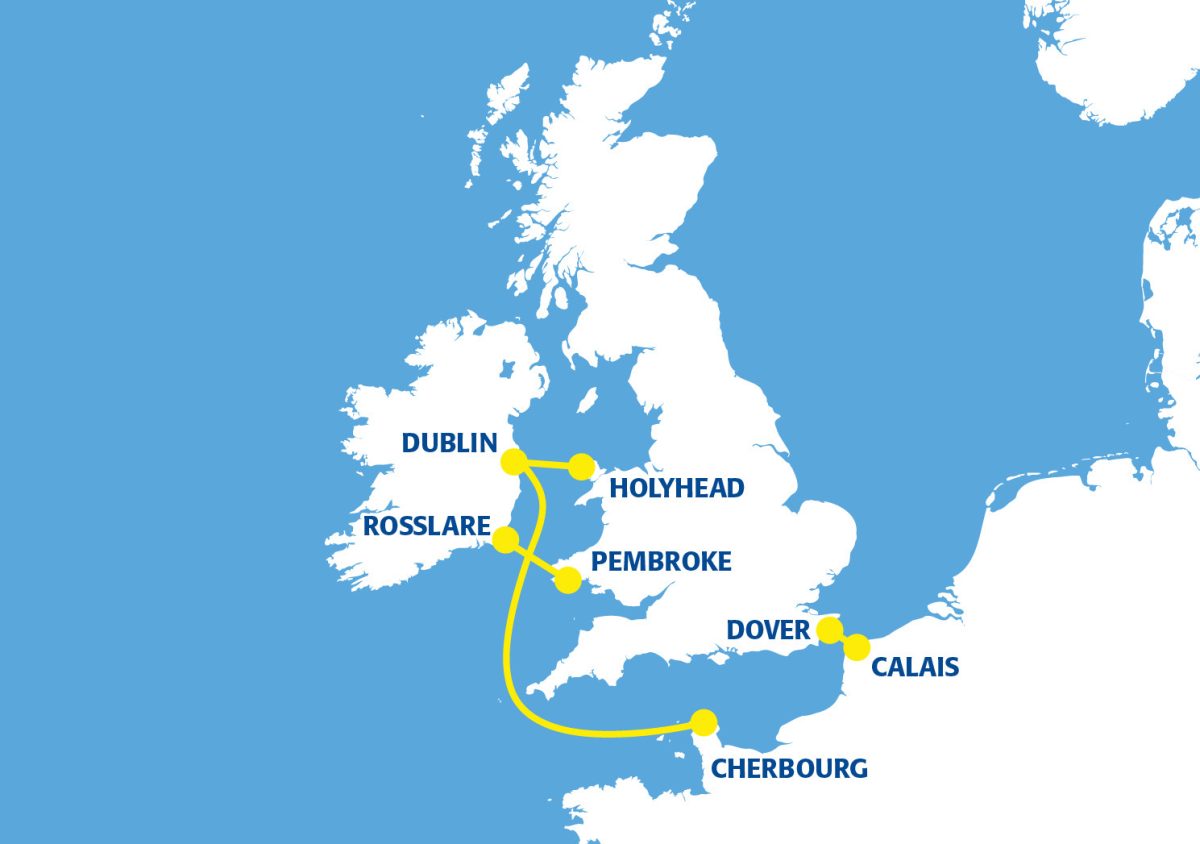
Until now, passengers could often travel with a driving licence, national identity card, or other photo ID. That flexibility vanishes when the new rules kick in. This affects British citizens, Irish citizens, and everyone else equally, despite the fact that the Common Travel Area technically doesn't require Irish and British nationals to carry any travel documents at all. That 100-year-old arrangement remains law, but the ferries have their own rules now.
What you actually need to bring
A valid passport. That's it. A driving licence won't cut it anymore. Your national ID card won't work either. Irish Ferries has already announced that all passengers must present a valid passport or Irish passport card before stepping onto their vessels after September 28.
If you've already booked a crossing, Stena Line is contacting existing customers to make sure they're prepared. The company's customer service team is working through bookings to give people time to dig out their documents. But if you haven't booked yet and you're planning to travel after late September, the advice is straightforward: check your passport expiration date now.
This is especially urgent if your passport expires soon. Getting a replacement takes time, and September travel can be busy. Don't find yourself at the port with an out-of-date document.
The non-British and non-Irish wrinkle
Visitors from outside the UK and Ireland have an extra requirement: an Electronic Travel Authorisation (ETA). Non-UK, non-Irish eligible travellers need an ETA to enter or transit through the UK, and applications are already open. This applies whether you're visiting for tourism, seeing family, certain business meetings, or just passing through.
Irish Ferries is crystal clear: if you need an ETA and don't have one, you won't be allowed to board. The company recommends applying well before your trip and using the same passport for both your ETA application and your ferry journey. This prevents any frustrating mismatches when you arrive at the port.
The changes make sense in the context of Britain's airports facing increasing security demands, and they're following a path already taken by airlines. Aer Lingus joined Ryanair back in February in requiring ferry-style passport checks for flights between the two countries. As passenger volumes grow and borders tighten across Europe, ferries are simply catching up.
Planning ahead matters now
The practical takeaway: stop assuming anything about ferry travel between Britain and Ireland. Check your documents. If you're not British or Irish, check your ETA status too. Give yourself a buffer before September 28 if you need renewals or applications processed.
If you've got travel booked, you'll hear from your ferry operator if you're with one of the affected companies. But don't wait passively. Pull out your passport right now and verify the expiration date. A few minutes today saves a real headache in September.