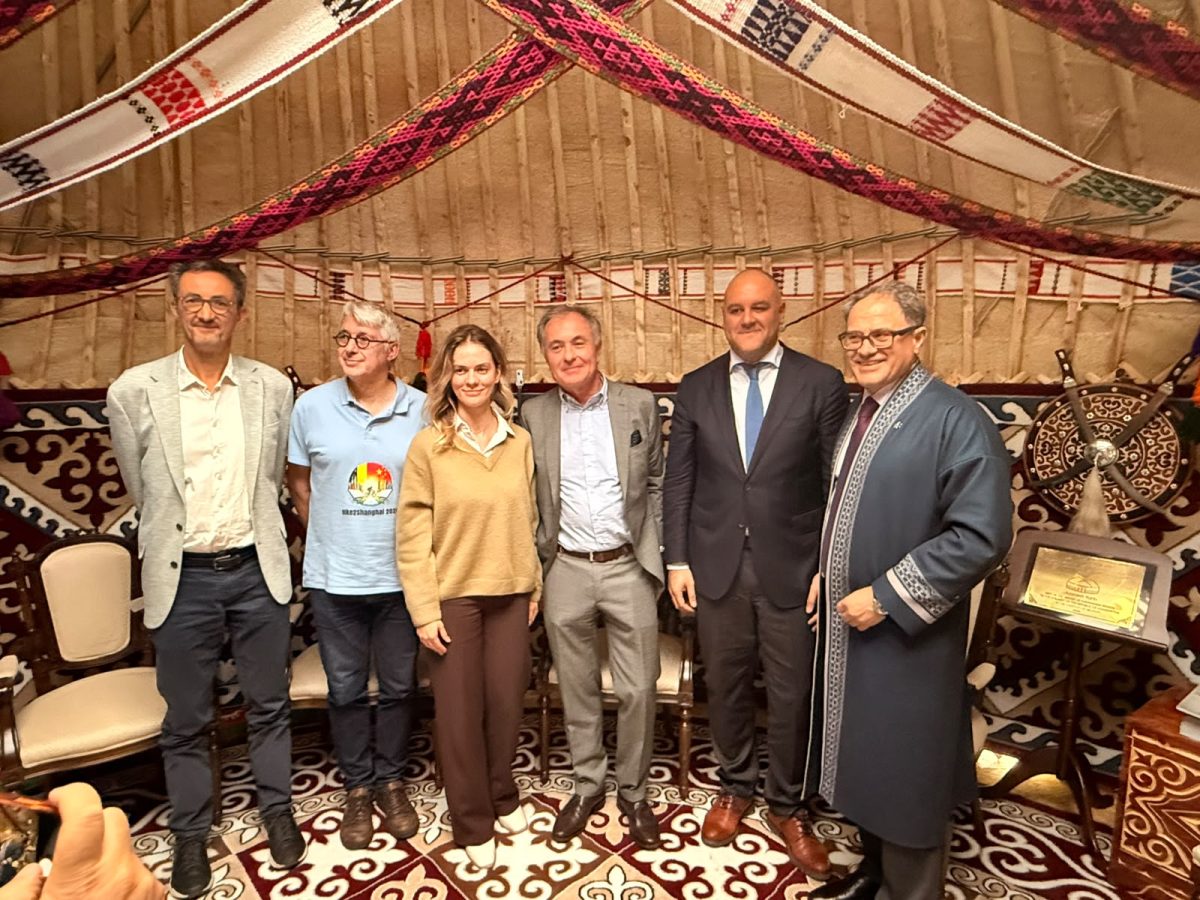
Kazakhstan is having a moment. Not the polished, PR-ready kind, but the genuine kind that happens when regular travelers come home with stories that blow expectations apart. A recent gathering in Brussels brought together people who'd actually been there, and their accounts painted a picture wildly different from whatever most Europeans assumed about the country.
The event, held inside a traditional Kazakh yurt, ditched the formal presentation angle entirely. Guests traded travel stories and personal moments, the kind that don't make it into official tourism materials. Kazakh Ambassador Roman Vasilenko framed the country as something Europe was finally ready to notice: not just a modern state or a convenient pit stop between continents, but a living heir to the Golden Horde civilization that fundamentally shaped Eurasian history. The geography alone, he emphasized, tells a story few Europeans fully grasp.
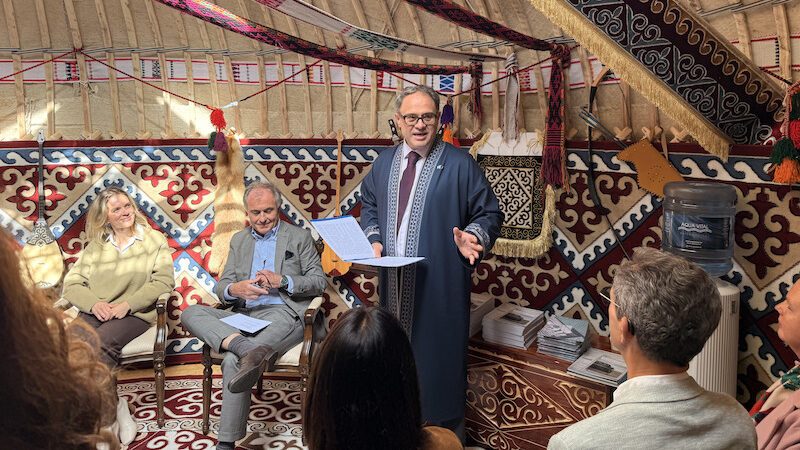
What's fueling this shift? Social media, mostly. Younger audiences are stumbling upon Kazakhstan through travel videos, food content, and the aesthetic appeal of nomadic culture rather than the traditional travel media gatekeepers. Kazakhstan is doubling down on wilderness just as Europe discovers it, and TikTok and Instagram are doing the heavy lifting that tourism boards could never manage alone. Locals call this quiet fascination "Kazakh-boo," which captures the playful, genuine curiosity driving a new generation of travelers eastward.
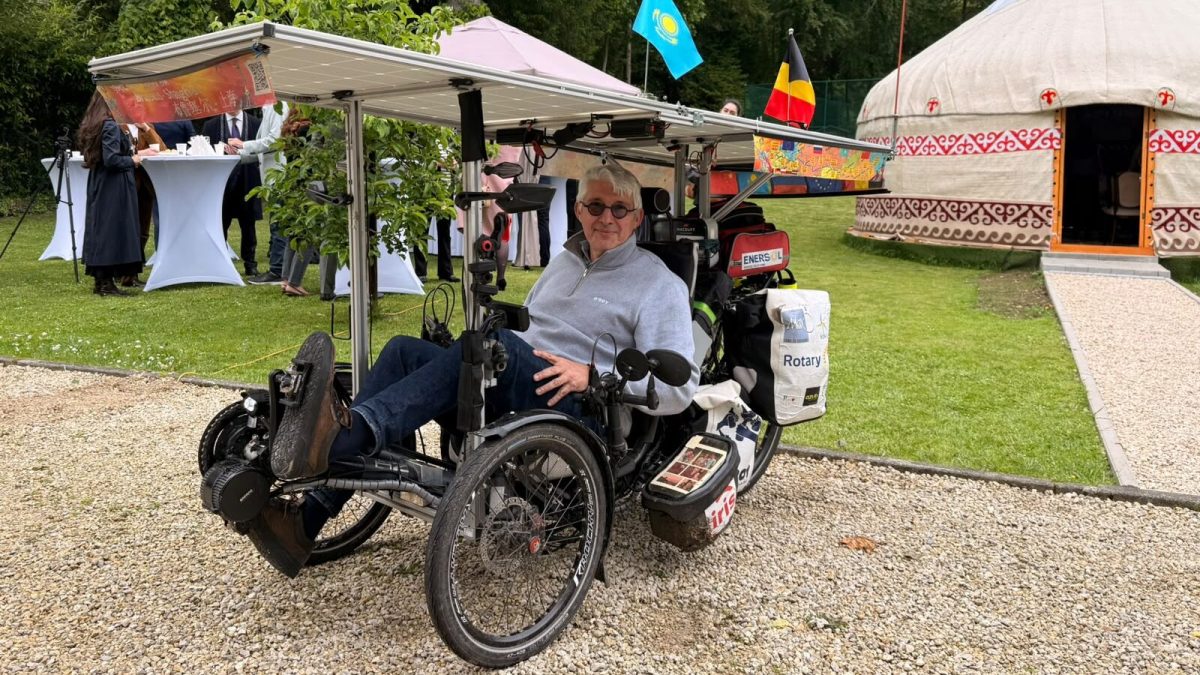
Belgian cyclist Claude Brouir pedaled across Kazakhstan on a longer journey toward Shanghai, and what he found rewired his assumptions within days. He'd planned for seven days in Almaty thinking that would be plenty. Instead, the city offered everything from mountain access to unexpected cultural sites to the kind of street-level urban life that makes you want to stay longer. The real revelation, though, came on the road itself. Locals stopped him constantly, not to sell him anything but to share tea, play traditional music, or simply talk. Hospitality wasn't a staged experience. It was just what people did.
Sven Hoyaux, editor of Porschist magazine, experienced something similar while working on photo shoots across the country. He recalled one moment with particular clarity: a Kazakh woman participating in a magazine feature was so genuinely proud of her cultural identity and traditional clothing that she threw herself into every shot with unforced enthusiasm. There was no performance here, no sense of "doing culture for the camera." Cultural heritage in Kazakhstan is lived, not performed.
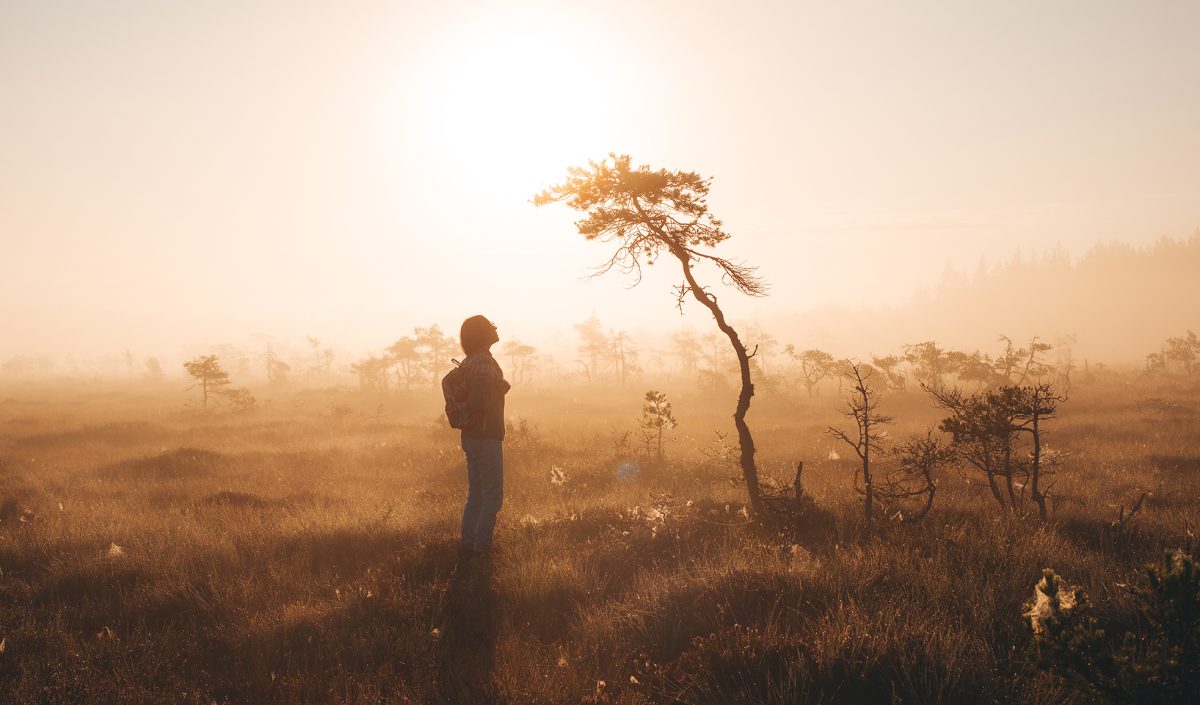
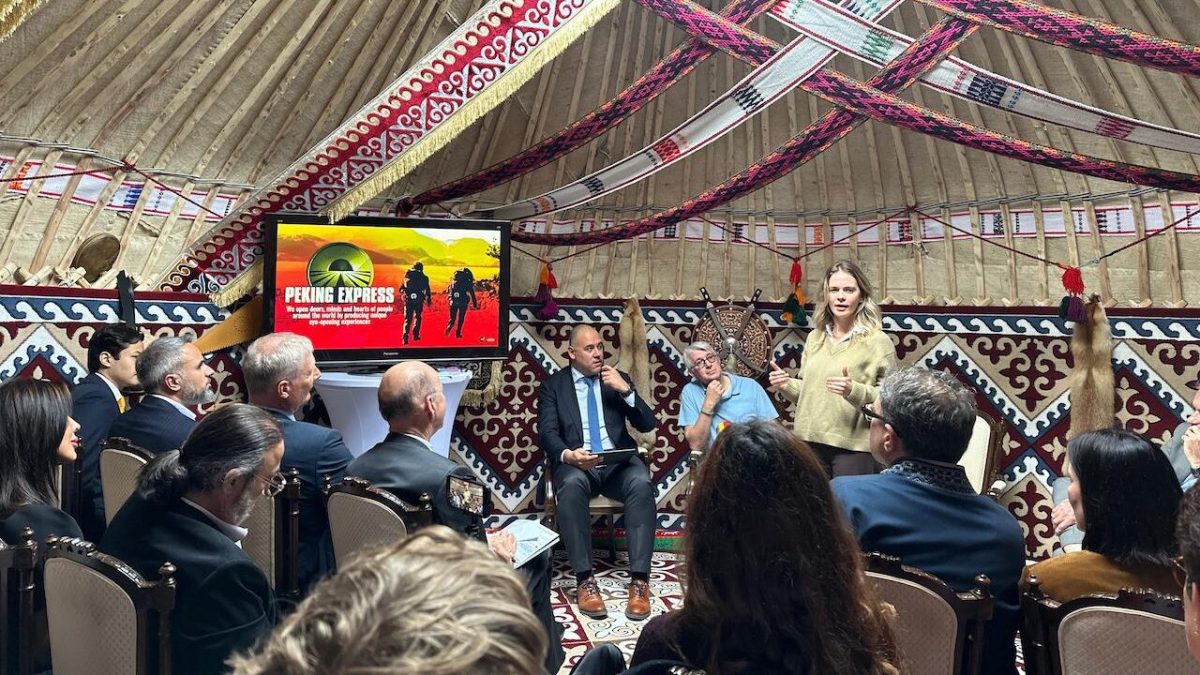
Television audiences got their own taste when the international production Pekin Express filmed episodes across Kazakh steppe, particularly in the remote Katarkol region where landscapes stretch so far they seem to bend the horizon. Producer Inga Chumakova described being struck by the sheer scale of those open spaces, and wondering aloud why the show's format hadn't discovered the country sooner. The vastness of the terrain slowed the crew down, but that slowness became something unexpected: a door opening onto human connection. Remote logistics problems turned into moments of genuine hospitality that left impressions far deeper than any scenic backdrop.
Everyone who has spent real time in Kazakhstan mentions the same requirements. The country demands time, genuine openness, and the kind of curiosity that drives you off the standard routes. Distances are genuinely vast. So are the chances to stumble onto something that changes how you see travel itself. From the green foothills around Almaty to the modern architecture of Astana and the endless, quiet steppe rolling between them, Kazakhstan offers layers that keep surprising visitors who gave it a real chance.
The European discovery of Kazakhstan is not a marketing campaign. It's travelers talking to other travelers, sharing stories that don't fit the old cliches, and proving that some of the most rewarding destinations are the ones that take effort to reach.