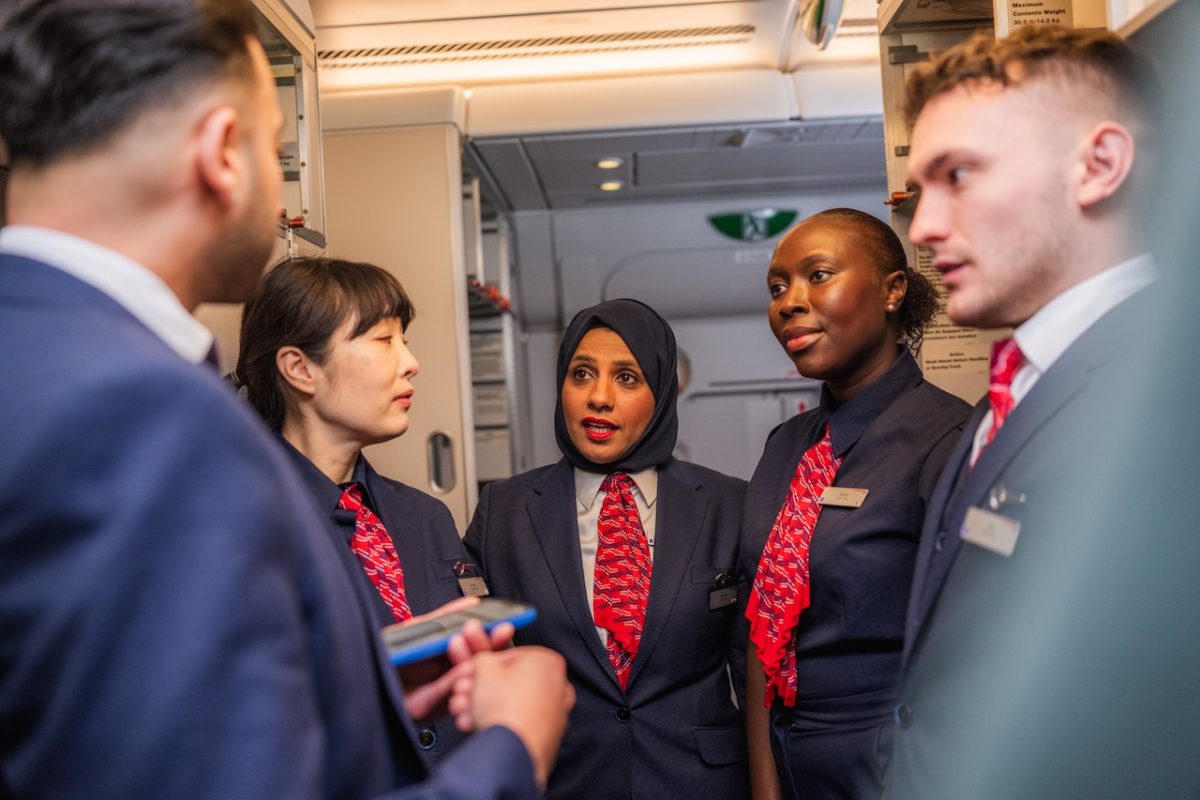
The Instagram moment you've been planning? The TikTok clip of your clever cabin crew interaction? British Airways just drew a firm line in the sand. The airline has rolled out updated onboard conduct rules that make it explicitly illegal to film, photograph, or live-stream any member of the crew without getting permission first.
The policy update, now part of the airline's conditions of carriage under Section 11a, reads plainly: "If, while you are on board the aircraft, we reasonably believe that you have filmed, live-streamed or photographed our crew or other colleagues without their consent, we may take any measures we think reasonable to prevent you continuing your behaviour." Translation: the airline isn't messing around. Passengers who break the rule face potential removal from onward flights and could be reported to law enforcement.
Why Airlines Are Getting Strict About In-Flight Recording
The rise of smartphones with excellent cameras and reliable in-flight WiFi services like Starlink (which BA recently adopted) has created a perfect storm for airlines. Passengers now have the tools and bandwidth to instantly share footage globally. What starts as a casual video can spiral into something far uglier once it hits social media.
The internet's pile-on effect is real. A single clip of a passenger dispute, a crew member's off moment, or service disagreement can explode across platforms, attracting criticism, harassment, and hateful comments directed at whoever is on camera. Airlines are watching this play out across the industry and deciding it's not a risk worth taking.
Tech giants have argued their platforms serve the greater good, providing visibility for important movements and justice issues that lack traditional outlets. The #MeToo and Black Lives Matter movements gained momentum partly through social media documentation. Yet as technology advances, the line between public accountability and invasive surveillance blurs dangerously. New gadgets like augmented reality glasses make covert recording easier than ever, and BA's policy specifically addresses these emerging devices.
What Counts as Legal Recording at 36,000 Feet
Here's where things get legally murky. In the UK and most places, filming someone in public where they have no reasonable expectation of privacy is generally legal, even if it's not considered great form. But an aircraft cabin is a gray zone. The UK Civil Aviation Authority notes that cabin crew and pilots do have discretion to allow or deny filming if safety isn't compromised.
BA's position goes further than the CAA's baseline rules. The airline is establishing its own stricter standard: consent first, always. This puts the burden on the passenger, not the crew member. Want to film your friend with a flight attendant? Get permission before you roll. Planning a vlog about your business class experience? Ask first.
The policy also reflects broader changes in how airlines operate globally. As travel patterns shift and passenger behavior becomes more unpredictable, carriers are tightening conduct rules across the board. What was once considered harmless documentation now carries real consequences.
What This Means for Your Next Flight
If you're flying BA soon, treat the cabin as a private space, not a content creation studio. That selfie with the flight attendant before takeoff? Get a quick yes first. Photos of your meal or window view are fine, but including people requires consent. Live-streaming your flight experience needs crew approval before you press record.
Violating the policy can escalate quickly. Removal from a connecting flight isn't just inconvenient; it can upend your entire itinerary. Involvement with law enforcement adds another layer of complications that most travelers want to avoid entirely. The airline isn't trying to kill authentic travel experiences; it's protecting its staff from becoming unwilling participants in viral moments.
As more airlines likely follow BA's lead, the rules around in-flight media will probably tighten further. The golden age of filming whatever you want at cruising altitude is effectively over. Modern travel requires a bit more awareness about whose image you're capturing and sharing with the world.