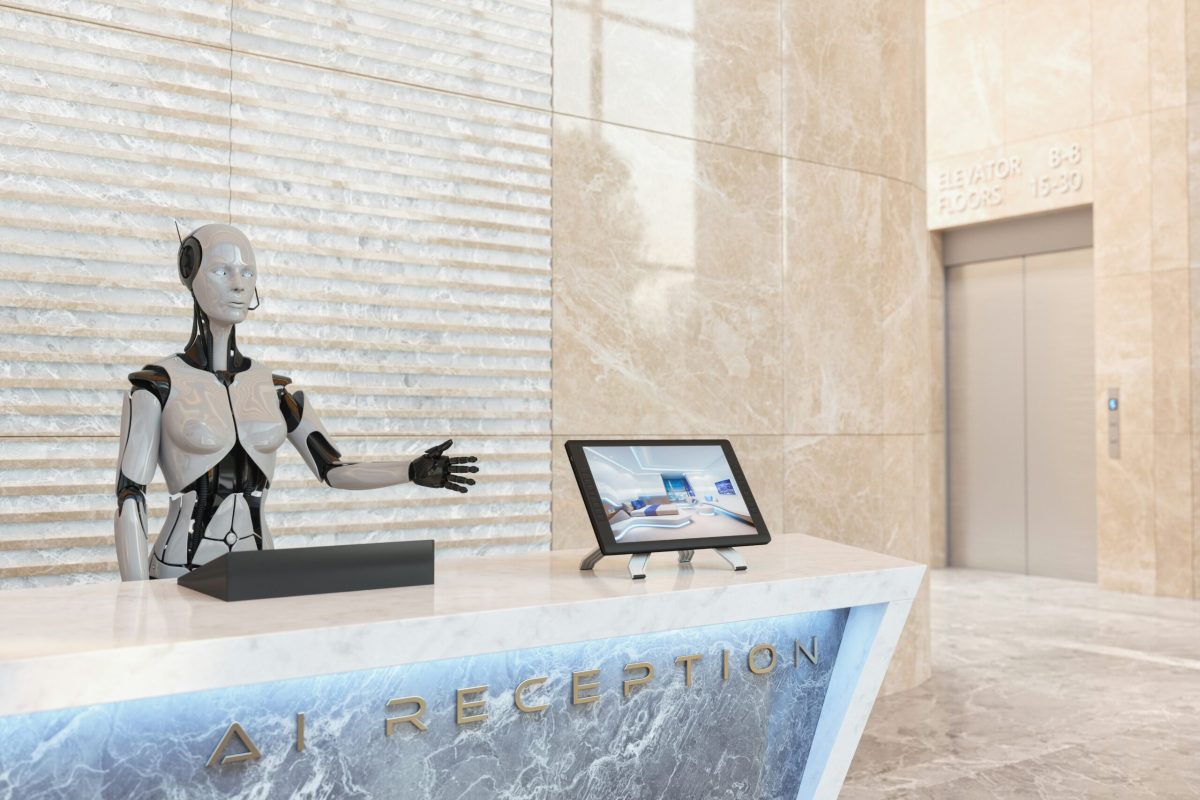
Remember when you needed a human travel agent to find the perfect hotel? That person is back. Except now they're an algorithm, and they're recommending the same five properties to everyone on Earth.
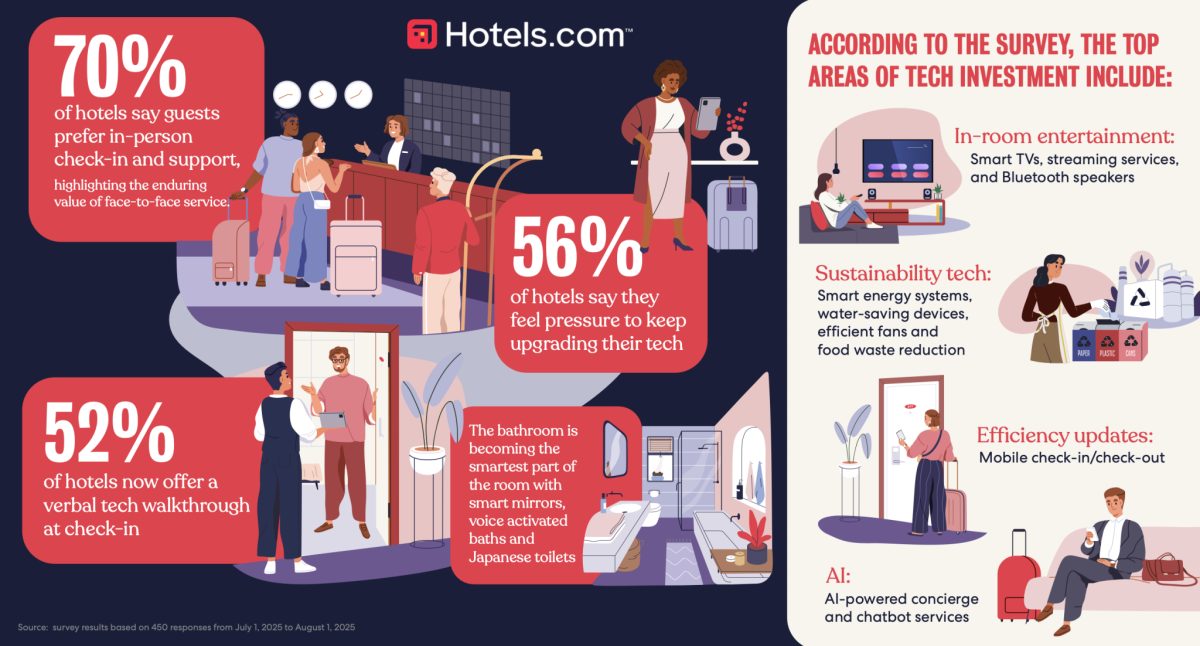
This is the new reality facing the hospitality industry. Roughly 37% of travelers are already using AI to plan trips, and that number is climbing fast. In France alone, the shift happened almost overnight: 35% of French people relied on AI to book hotels, find cafes, or pick restaurants last year. The industry saw the wave coming and did almost nothing to prepare. According to a Boston Consulting Group study, only 25% of hospitality companies have developed an AI strategy that's actually producing returns.
The problem is simple but brutal. A traditional Google search gives you dozens of options. An AI assistant gives you four or five. Miss that cut, and you miss the customer entirely.
Why Hotels Can't Game AI Like They Gamed Google
For years, hotels mastered the traditional playbook: nail your SEO, pay for prominent listings on OTAs like Booking.com and Expedia, get stellar reviews on TripAdvisor. That ecosystem is broken now. Nicolas Marette, founder of French digital optimization firm Custplace, told France24 that the upheaval is total. Hotels need a completely different approach for algorithmic recommendations.
The challenge lies in how humans actually talk to AI. When you ask an AI assistant to "find me a calm boutique hotel near the Eiffel Tower with power sockets by the bed and views of the Trocadéro," you're not entering keywords. You're describing feelings, specific needs, and tiny details. AI has to understand all of that through natural language and semantics. As Nicolas Maynard, Accor's chief of AI and data science, explained it, hotels have to fundamentally rethink how they structure their data.
This is what major chains like Accor are grappling with right now. They need to feed AI systems with granular information about everything: room atmospherics, guest experience nuances, accessibility features, noise levels, even the exact position of electrical outlets. The richer and more detailed your digital footprint, the better your chances of appearing in an AI recommendation. Sparse data or inconsistencies? You disappear.
The New Commission Model Is Already Taking Shape
There's another wrinkle. Travel agents didn't work for free; they earned commissions. The same economics will likely apply to AI platforms. The BCG report predicts that old-school OTA commissions will evolve into "AI-era distribution fees, charged for prominence and relevance in algorithmic recommendations." Translation: pay to play, version 2.0. Hotels that can't afford premium placement risk becoming invisible to the algorithms that matter.
Guest reviews are becoming currency in this new system. AI models analyze traveler feedback at scale and feed those insights directly into recommendation engines. A hotel with 50 glowing reviews and comprehensive data will outrank a competitor with incomplete information and silent reputation, even if that competitor is objectively better. The algorithm favors completeness and trust.
Algorithmic visibility is becoming the real estate war of hospitality. You can have the most charming property on the Riviera, but if your online presence doesn't tell that story in machine-readable ways, you're running a ghost hotel.
Hotels have weeks, maybe months, before this becomes the dominant booking channel. The ones building comprehensive, accurate, constantly updated digital profiles will thrive. The rest will watch their reservations dry up, one algorithm at a time.