The Arctic is having a moment, and Greenland is at the center of it. This week, a delegation from the European Parliament's Committee on Transport and Tourism (TRAN) is touching down in Nuuk and Ilulissat for a four-day visit focused on connectivity, infrastructure, and sustainable tourism. The timing is no accident.
Geopolitical currents are swirling around the world's largest island. US President Donald Trump has repeatedly floated the idea of acquiring Greenland, while Russia and China are eyeing the region's strategic value. Just last week, Washington announced a deal with Denmark and Greenland to expand US military access, a move that NATO and French President Emmanuel Macron have welcomed. The agreement is expected to be signed during the UN General Assembly, though the text has yet to be published.
For travelers, the more immediate news is that Greenland is becoming easier to reach. The new international airport in Ilulissat, which the delegation will visit, is a game-changer. It's part of a broader push to improve air connectivity, and the numbers show it's working. According to Statistics Greenland, guest nights in registered accommodations jumped 15.4% in 2025, with international visitors up a staggering 46%.
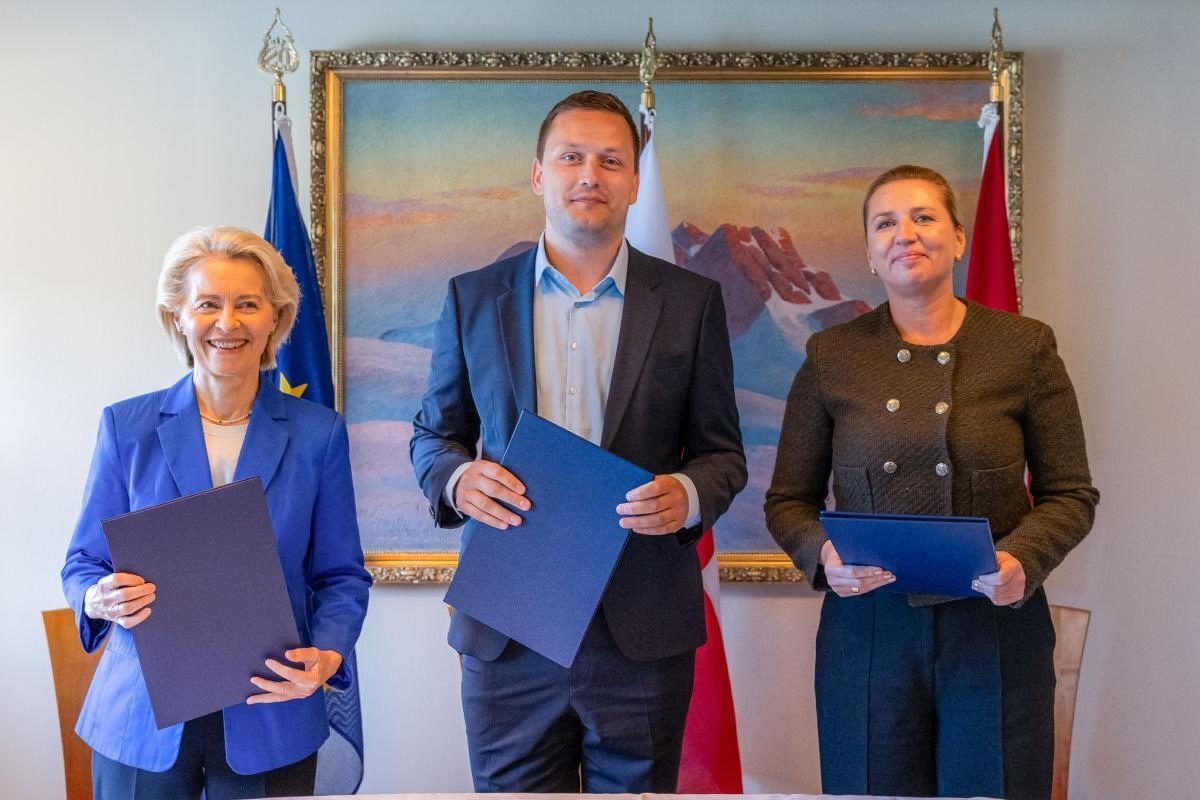
But with growth comes responsibility. The European Commission has earmarked €200 million for Greenland under its Global Gateway Partnership Package for 2026-2027, covering everything from renewable energy to sustainable tourism. Ursula von der Leyen, the Commission President, visited Nuuk in September and called Greenland a "strategic ally and a trusted friend." The EU is already Greenland's largest per capita donor, with €225 million allocated for 2021-2027, mostly for education, and another €530 million proposed for 2028-2034.
The challenge now is to build infrastructure without wrecking the very landscapes that draw visitors. Greenland is famously fragile, and local communities want a say in how tourism develops. The delegation's agenda includes meetings with the Inuit Circumpolar Council, the Joint Arctic Command, and representatives from fisheries and tourism. They'll discuss air passenger rights, maritime transport, and how to strengthen connections between remote settlements and the wider world.
MEP Jens Gieseke, who leads the delegation, called the visit "particularly critical" given the geostrategic significance of the region. He's not wrong. The Arctic is warming faster than anywhere else on Earth, and its ice is receding, opening new shipping routes and resource extraction possibilities. That's drawing attention from global powers, but also from travelers eager to see the ice before it's gone.
For now, Greenland is walking a tightrope. It wants to welcome visitors, but not at the cost of its environment or culture. The EU's investment is a vote of confidence, but the real test will be whether tourism can be managed in a way that benefits locals. As the TRAN committee's press account notes, the visit is about "strengthening ties" and exchanging on transport connectivity and sustainable tourism development. The details are still being worked out, but the direction is clear.
If you're planning a trip to Greenland, now is the time. The new airport in Ilulissat makes it easier than ever to see the Ilulissat Icefjord, a UNESCO World Heritage site. But be prepared for crowds, and consider traveling with operators who prioritize sustainability. The island is also drawing a line against cruise ship overload, so check how that's shaping up before you book. And if you're curious about how other destinations are balancing tourism and preservation, this look at tourism's new power game is a good read.
Greenland is no longer a distant, frozen footnote. It's a place where geopolitics, climate change, and travel intersect in real time. The EU's attention is a sign that the world is waking up to its importance. For travelers, that means more options, but also more responsibility. The question is whether we can visit without leaving a mark.