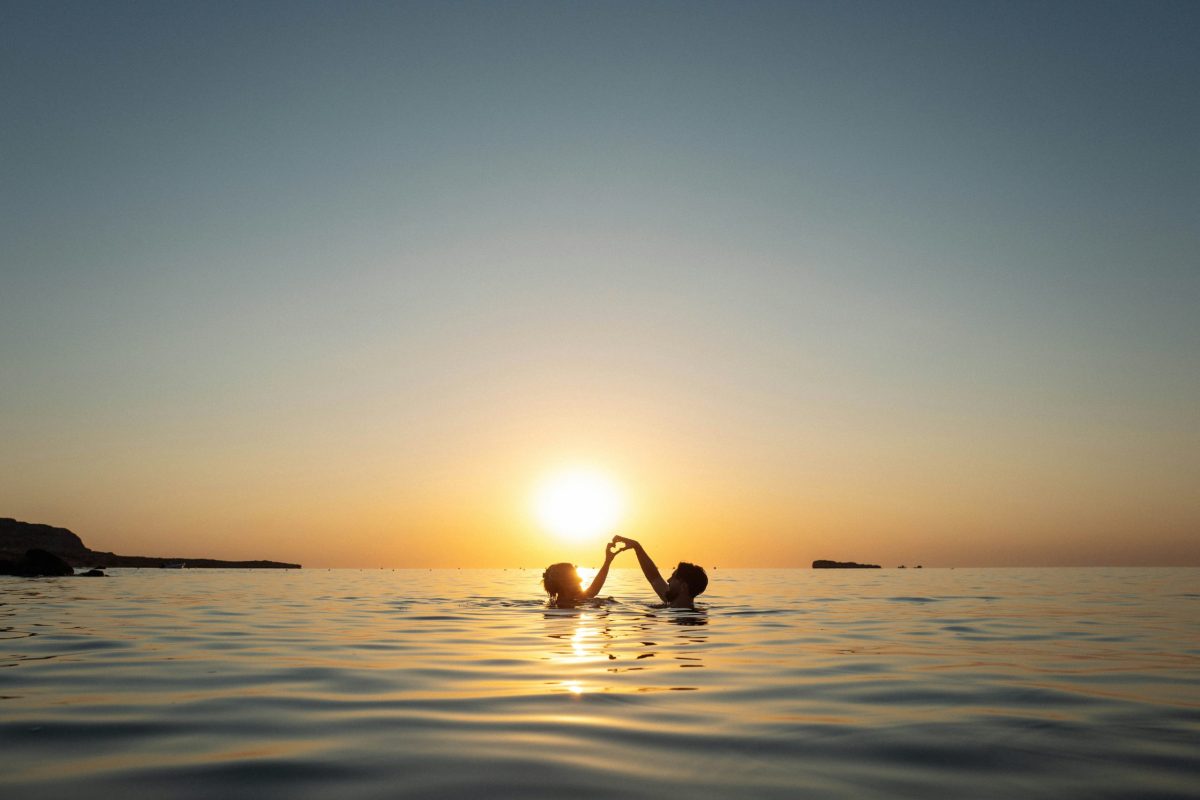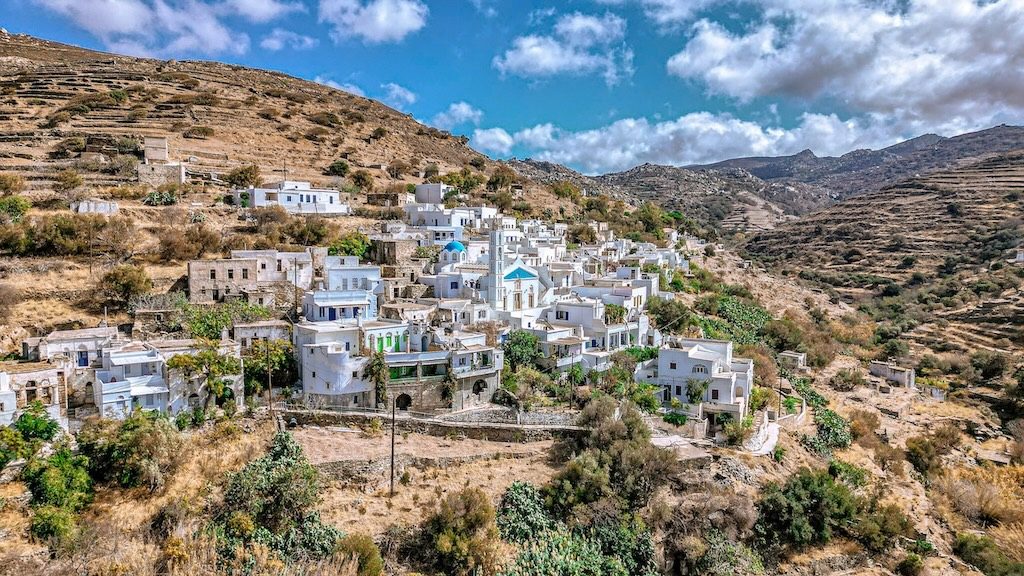
Summer tourism is booming across Greece's Aegean islands, but behind the postcard sunsets, a quiet crisis is unfolding. Seven islands have declared formal drought emergencies as climate change and soaring visitor numbers collide with dwindling freshwater supplies. Astypalaia, Tinos, Alonissos, Leros, Patmos, Symi and Karpathos are implementing emergency measures that go far beyond standard conservation tips.
Astypalaia offers the starkest warning. The island's mayor, Nikos Komineas, puts the problem in perspective: if you collected every drop of rain that falls on the island over an entire year, it would barely fill a soup bowl to 2.5 centimetres deep. The main reservoir sits at just 150,000 cubic metres, roughly one-sixth of capacity, while summer consumption hits roughly 900 cubic metres daily. Do the math and you're looking at maybe five and a half months before reserves vanish entirely.
The infrastructure simply can't keep up. A permanent population of about 1,400 swells to roughly 7,000 during the summer months. One desalination plant serving the village of Analipsi became instantly inadequate. In May, local authorities rushed a temporary desalination facility online that churns out 600 cubic metres of fresh water per day, and a second temporary plant followed soon after while a permanent installation is being built.
This crisis cuts deeper than tourism convenience. Farmers who already depend on irrigation have been cut off and forced to rely on brackish well water. Evdokia Palatianou, a 71-year-old farmer who has already lost crops, told Reuters she won't plant anything unless rain returns. The island's entire agricultural sector is in limbo, caught between visitors demanding showers and locals trying to survive.
Hotels are getting creative in ways that show just how tight things are. Maria Alkalai, who runs a hotel on the island, launched a program offering guests a 5 euro voucher for skipping daily room cleaning. She expected pushback from tourists accustomed to daily service. Instead, guests embraced it. That simple calculation, repeated across dozens of rooms, adds up to meaningful water savings.
The Greek government isn't sitting idle. They've allocated 15 million euros across nine inhabited islands for desalination projects, water tanks, and network improvements, with 1.5 million earmarked for Astypalaia alone. Environment Minister Stavros Papastavrou told fellow EU environment ministers that Greece faces a serious challenge: "For Greece, water isn't theoretical. It's about security, economic growth and the protection of local communities."
Greece is also tackling overtourism in other ways. Earlier this year, the country rolled out new protections for 250 beaches, banning sunbeds and commercial activities to shield coastal ecosystems. Similar pressures are affecting neighbors like Cyprus, which has warned that prolonged drought and climbing visitor numbers are threatening freshwater supplies there as well. Like other European destinations facing water stress from climate change and tourism, Greece is being forced to choose between welcoming visitors and protecting its own survival.
Scientists at the National Centre for Scientific Research Demokritos have issued a sobering forecast. If temperatures continue rising as climate models suggest, water scarcity on Greece's vulnerable islands will intensify by 2049. These aren't distant threats. They're unfolding now, in real time, as families who've lived on these islands for generations watch their water reserves vanish and their agricultural traditions fade.
For travelers, the message is complex. Greece's islands remain stunning, welcoming, and worth visiting. But the experience is changing. Water conservation isn't a suggestion anymore. It's a requirement. And the villages and farms that make these places meaningful to locals are being strained in ways that no resort can fix.