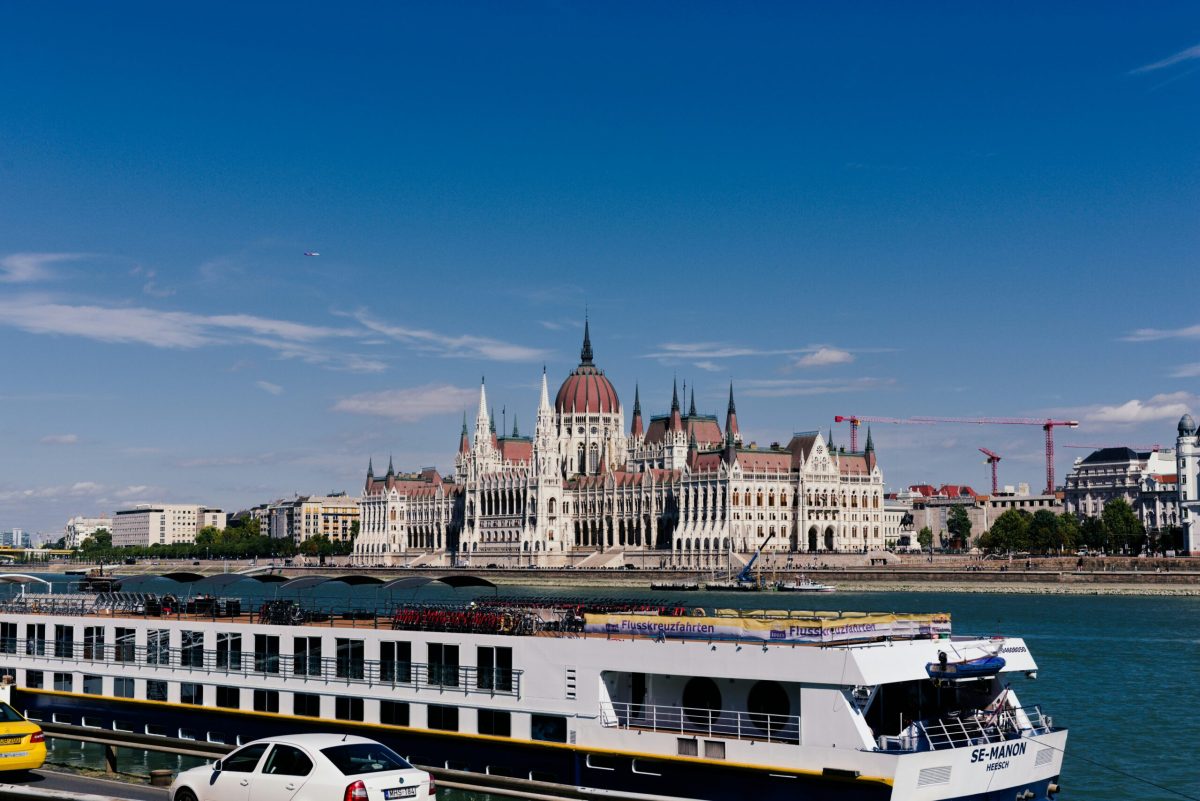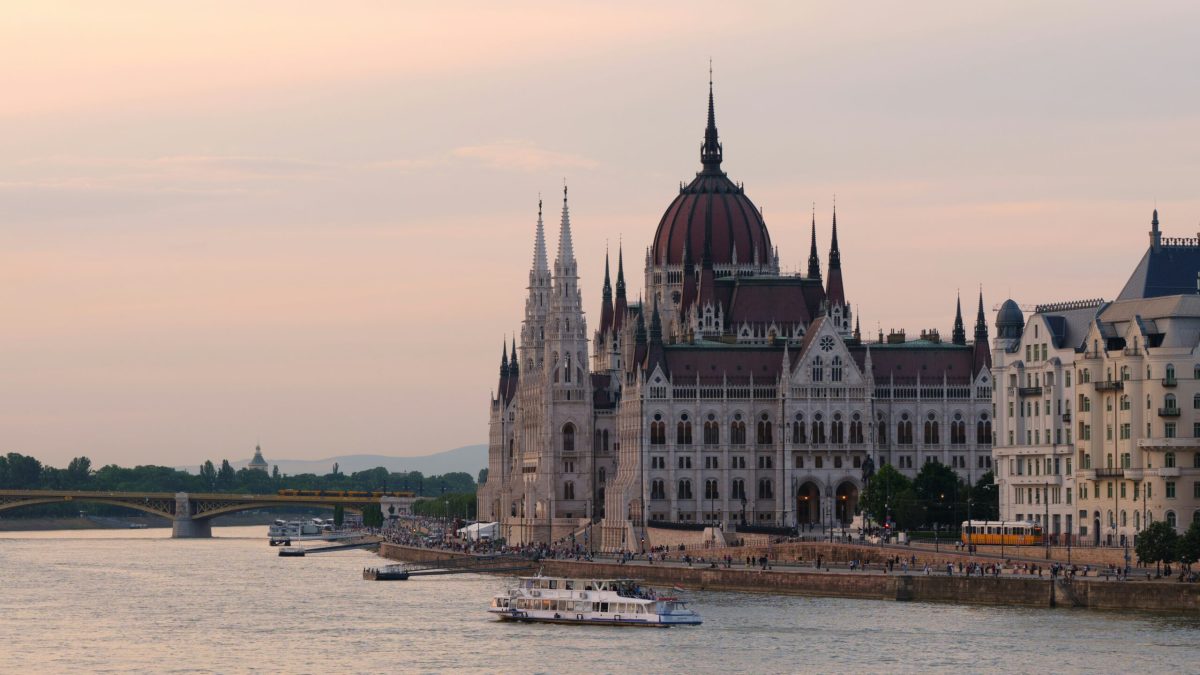
The Danube is suffocating. Once a mighty vein connecting Central Europe to the Black Sea, the continent's second-longest river has shriveled to just 8 centimeters above its all-time low, a record that stood for eight years until this summer. Massive heatwaves and stubborn droughts have turned what should be a bustling corridor of tourism into a bottleneck of stranded ships and cancelled dreams.
For those unfamiliar with the stakes: the Danube winds 1,770 miles from Germany's Black Forest, cuts through ten countries, and dumps into the Black Sea near Romania's delta. It's history made liquid. Roman emperors patrolled its shores. Attila the Hun allegedly demanded control of its banks, possibly to secure grazing land during another ancient drought. Today, it's the spine of river cruising in Europe, and it's failing.
When the ships can't move, the money stops flowing
Laszlo Somodi, who runs MAHART-PassNave, Hungary's biggest passenger cruise operator, put it bluntly: vessels can still technically enter the country, but many are trapped in port or waiting in queues that stretch patience and budgets. July alone saw an 18 percent collapse in bookings as travelers realized sightseeing north of Budapest, where the river narrows and shallows, was off the menu.
Avalon Waterways, one of the sector's major players, has already axed some departures not just on the Danube but on the Rhine as well. The ripple effect is real. River cruising alone pulls roughly 600,000 high-spending visitors into Hungary every year, about 40 percent of all European river cruise passengers. These aren't budget backpackers. They're travelers with deep pockets who stay in hotels, eat at restaurants, and spend freely in regional towns like Gönyű and Komárom, ports that have built their entire economies around transit traffic.
Tourism as a whole accounts for 13 percent of Hungary's GDP, which translates to roughly 30.8 billion euros annually. If the 18 percent drop in river cruise bookings becomes the new normal, Hungary faces losses in the hundreds of millions.
A drought with deep roots
This isn't a freak one-week low. The Danube's water levels have been volatile for years, trending steadily downward. The 2022 drought pulled the river so low it exposed sunken World War II warships, ghost ships from another catastrophe rising to the surface. Climate data shows the pattern: record temperatures across Europe have buckled roads, closed attractions, and disrupted rail networks. The bloc's ongoing water shortages show no sign of letting up soon.
A few days of rainfall might offer temporary relief, but experts say the fundamental problem persists. The river's baseline is dropping, shaped by broader climate pressures that don't reverse with a single storm.
New ships, old problems
The timing couldn't be worse. AmaWaterways is preparing to debut the AmaRudi in April 2027, billed as Europe's largest-ever river cruise ship. At 98 cabins, it promises multiple restaurants, a wine bar, a pool, spa facilities, and even a pickleball court. But here's the catch: the AmaRudi and its sister ship, the AmaMagna, need a minimum 1.5-meter water depth to navigate safely. The Danube's current trajectory makes that requirement look like a luxury rather than a guarantee.
The cruise industry is betting on recovery. But as new technologies reshape water travel, the sector's biggest challenge isn't innovation. It's water itself. Until that problem solves, every ship heading toward Budapest carries the weight of uncertainty, and every tourism dollar hangs in the balance.