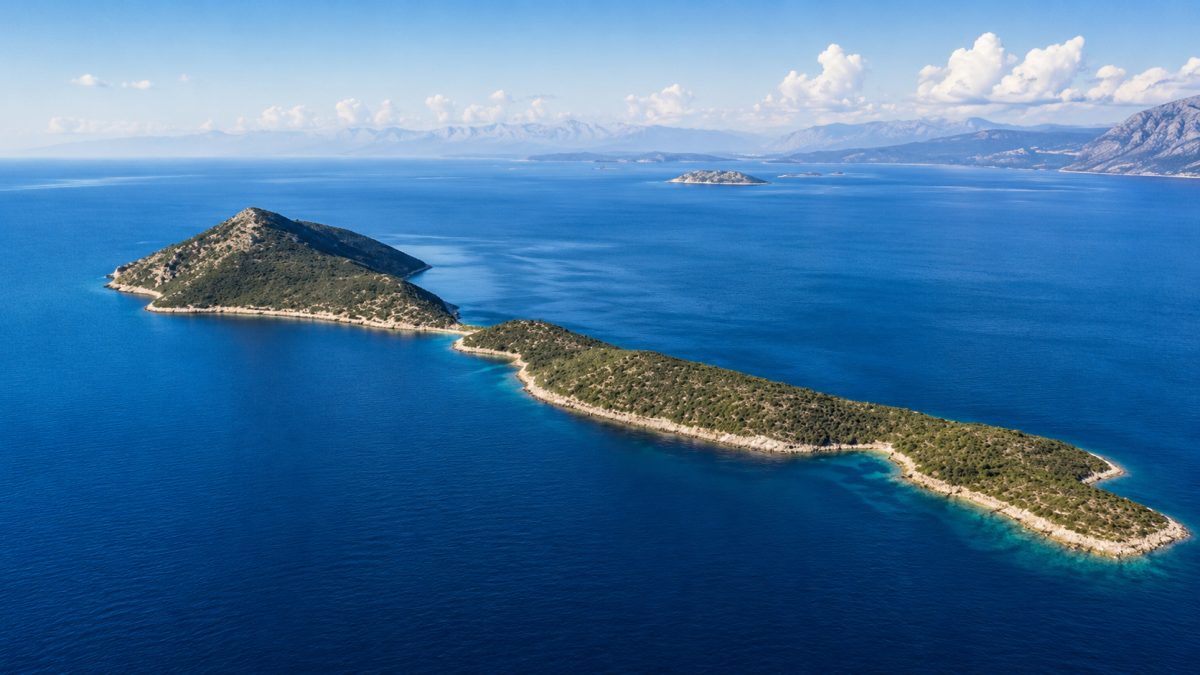
In November 2026, a piece of the Ionian Sea goes to auction. Makri, a private island from the Echinades archipelago, carries a starting bid of just €247,000. That's a staggering drop from its original €8 million listing. And there's a reason for the fall.
The island itself sounds like a fantasy. Remote. Uninhabited. Dotted with crumbling relics of the past: a small stone house, a water cistern, a chapel. The landscape sits mostly untouched, with surface area estimates hovering somewhere between 956 and 1,300 hectares depending on which surveyor you ask. Since 1985, it's been privately owned, but no one has done much with it. That hasn't changed, and legally, it probably won't.
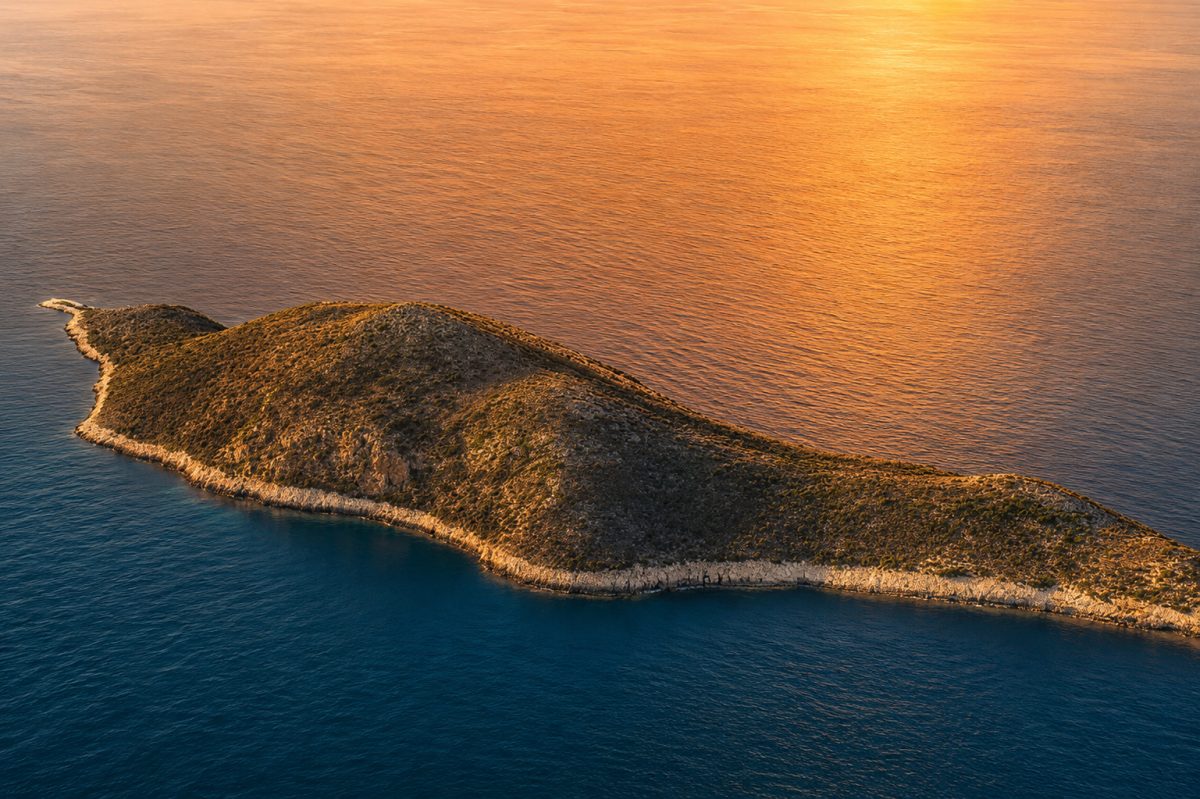
Protected Status Kills the Dream
Here's where the story gets complicated. Makri isn't just any piece of real estate. It's classified as forest land and sits within the EU's Natura 2000 network, one of Europe's most restrictive environmental protection schemes. That designation means minimal infrastructure. No sprawling resorts. No luxury development. Agricultural activity and modest structures only. Large-scale construction isn't just discouraged; it's effectively forbidden.
That's why the valuation collapsed so dramatically. Earlier appraisals assumed a buyer could reshape the island into something profitable, something grand. Later assessments swapped fantasy for reality. The protection status and zoning limits turned a potential commercial goldmine into something far narrower: a parcel of seclusion for those who simply want to own something untouched.
Why the Price Plummeted
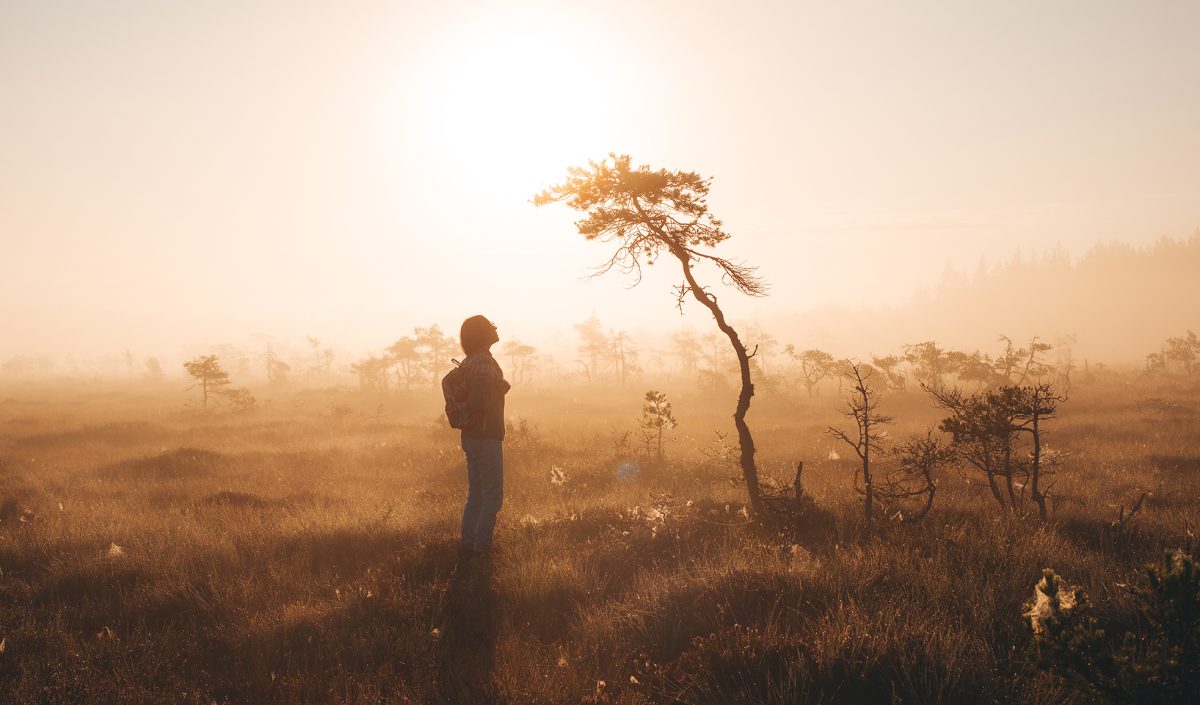
The island was seized for €60,000 at one point, which tells you something about buyer interest. The marketing shifted. Instead of touting it as a development opportunity, promoters began positioning Makri as an escape from modern life. Digital detox. Nature connection. Off-grid living. This aligns with broader travel trends favoring privacy and disconnection over resort amenities, though the practical reality remains: you're buying isolation without infrastructure.
Potential buyers at the November auction need to understand what they're actually purchasing. Yes, you own a private island in Greece. No, you can't build a villa compound, host weddings, or develop tourism infrastructure. You get seclusion and sovereignty over your own piece of nature. For some, that's everything. For most, it's a non-starter.
Who Actually Wants This
The appeal narrows considerably once reality sets in. You're looking at someone interested in extreme privacy, perhaps a researcher or conservationist who values the land's protected status. Or an investor banking on environmental protections eventually loosening (unlikely) or the land's intrinsic value increasing despite development caps (possible but slow).
Getting to Makri means navigating the Ionian's waters. There's no airport, no ferry service, no developed harbor. You'll need a boat and patience. The nearest civilization isn't far, but the island exists in a different world entirely. That separation from the mainland is exactly what drew the original investors and will continue to attract certain kinds of buyers.
The auction happens November 13, 2026. Whether Makri finds a new owner at €247,000 or sells for far less remains uncertain. What's certain is that whoever buys it isn't getting a blank canvas for dreams of grandeur. They're getting something rarer: a pocket of Europe that will probably never change.