Greece has done it again. The country welcomed 20.43 million international visitors between January and July 2026, a jump of 8.6% compared with the same period last year. Travel receipts climbed even faster, hitting €13.5 billion, up 12% from 2025. The numbers, released by the Bank of Greece, mark a new record for the first seven months of the year.
The growth is broad based. Revenue from EU-27 countries rose 6.9% to €7.09 billion, while visitors from outside the bloc spent 18.3% more, contributing €5.78 billion. Eurozone travelers alone added €5.88 billion, an 11.3% increase. Italy led the charge with a 31.6% surge in spending, reaching €828.1 million. The UK followed with €2.09 billion, up 23.3%, and the US contributed €1.06 billion, a 7.9% rise. Germany, Greece's traditional heavyweight, saw a slight dip of 0.7% to €1.98 billion, while France fell 16.8% to €623.7 million.
Arrivals tell a similar story. German visitors increased 7.7% to 3.03 million, Italians jumped 17.2% to 1.20 million, and UK arrivals rose 10.5% to 2.27 million. US arrivals grew 6.1% to 910,500. The appetite for Greek islands, ancient ruins, and seaside tavernas shows no sign of waning.
July Shows a Shift in Traveler Behavior
July itself painted a more complex picture. Inbound flows dipped 3.1% year-on-year to 6.55 million, yet travel receipts climbed 7.2% to €4.72 billion. The Bank of Greece attributes this to a 10% increase in average spending per trip. Travelers are staying longer, splurging on experiences, or choosing pricier accommodations. For those planning a trip, this means the shoulder seasons might offer better value, especially as demand remains strong into autumn.
Data from the Hellenic Statistical Authority shows that hotels, campsites, and short-stay rentals recorded 6.61 million arrivals and 31.70 million overnight stays in July alone. Foreign visitors accounted for 80.3% of arrivals and 87.6% of overnight stays, underscoring how dependent the sector is on international demand. This reliance is a double-edged sword, as shifts in global travel patterns can have outsized effects.
What This Means for Travelers
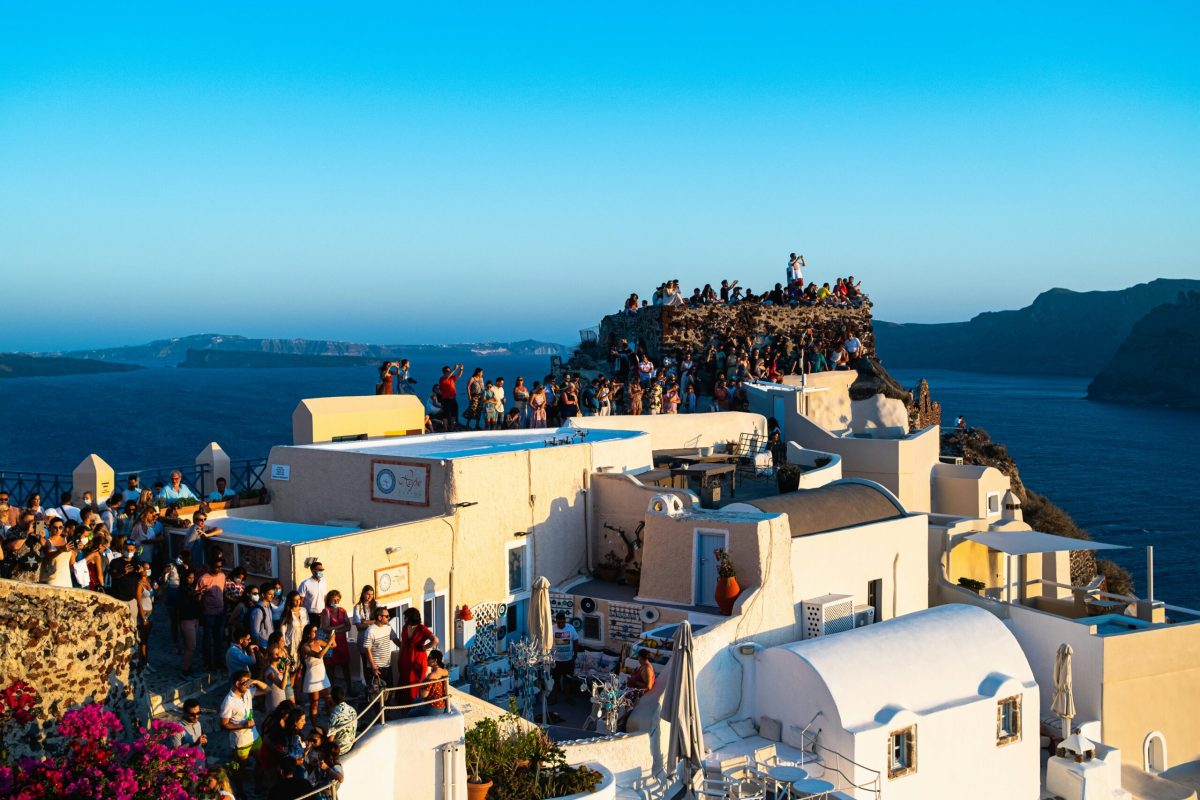
For those eyeing a Greek getaway, the record numbers mean popular spots like Santorini, Mykonos, and Athens will be crowded and pricey during peak months. But the growth also signals that Greece is investing in infrastructure and experiences to handle the influx. A recent survey by the Greek National Tourism Organization found that 29% of European travelers intend to visit Greece by May 2027, with around 35% of those planning a trip looking at September through November 2026. That bodes well for a more relaxed experience in the fall.
The broader travel industry is feeling similar pressures and opportunities. As air travel hit a record high in 2025, destinations worldwide are grappling with how to manage overtourism. Greece's success is a case study in balancing growth with sustainability. Other countries are watching closely, as Spain's tourism boom is so big it's now planning its own rescue.
For now, Greece is riding a wave. The first half of 2026 saw 13.49 million arrivals and €8.80 billion in receipts, up 15.4% and 14.8% respectively. The momentum is expected to carry into the winter, with many travelers already booking for 2027. If you're planning a trip, consider the less-traveled islands or the mainland's hidden gems. The record numbers don't have to mean a cookie-cutter experience. As Uzbekistan's tourism boom is rewriting the Silk Road story, Greece is rewriting its own narrative, one that balances ancient history with modern demands.