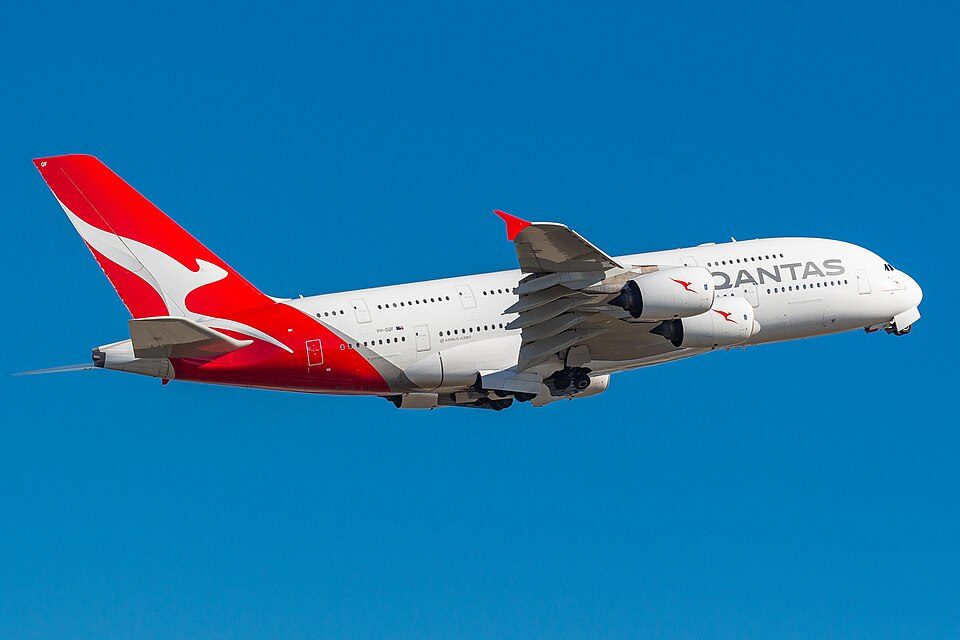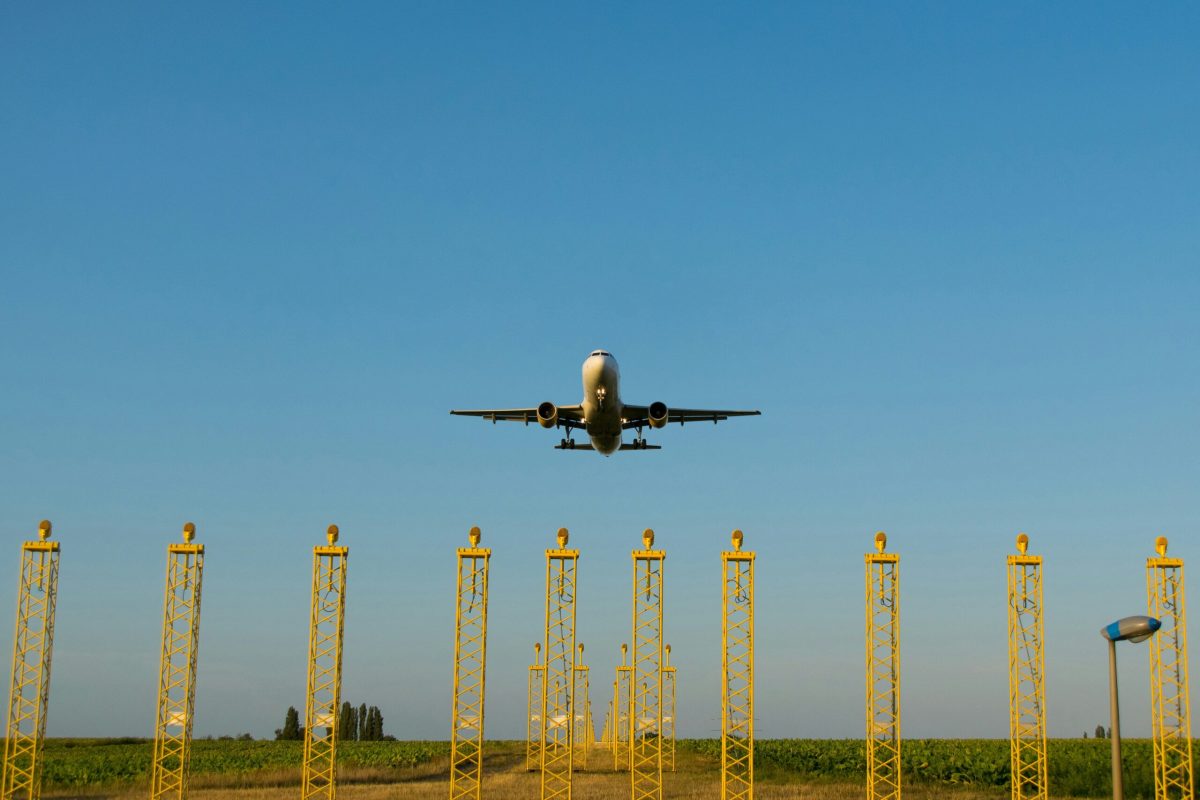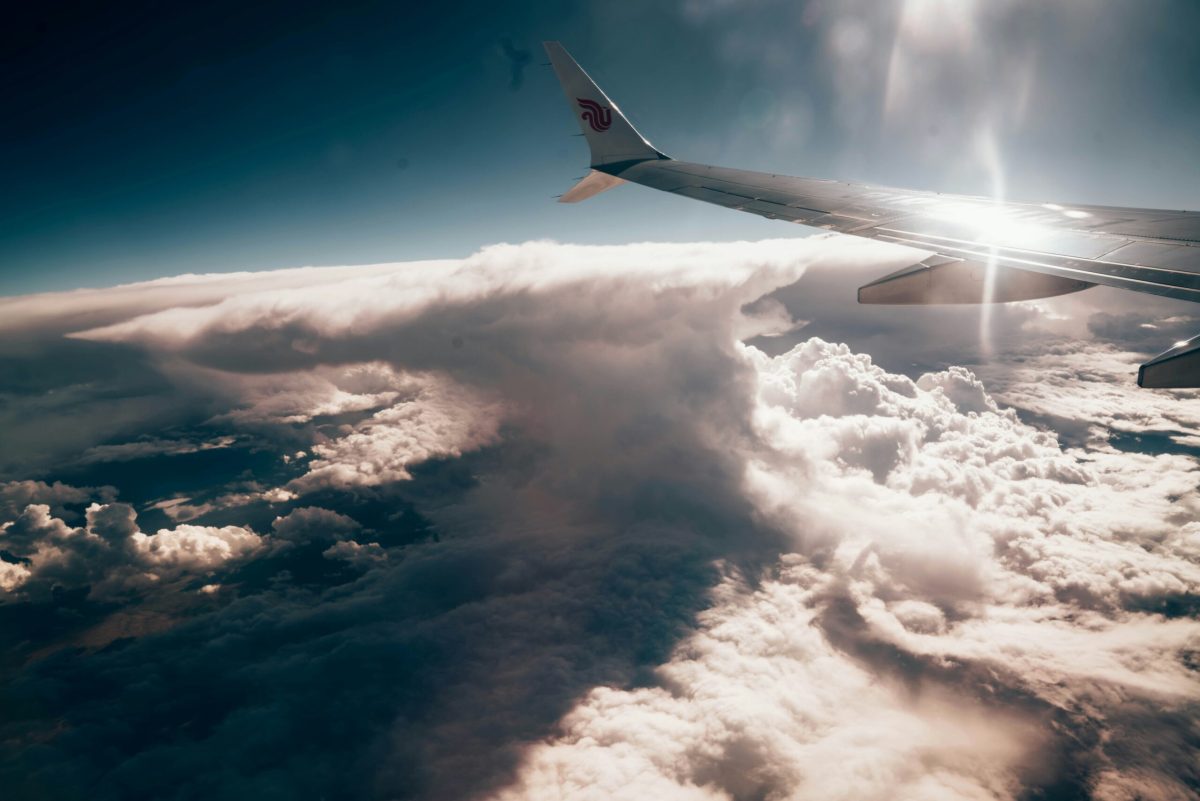
You have probably looked up at a clear blue sky and seen a jet's white trail stretching out behind it, then slowly spreading into a thin, hazy cloud. Those wispy lines are more than just sky graffiti. They are actually warming the planet, and a new study says we could do something about it without grounding a single flight.
The research, commissioned by the campaign group Transport & Environment and carried out by Klima Consulting, focuses on the small number of flights that create the most warming contrails. According to the study, just 3% of flights in 2019 were responsible for 80% of contrail warming. That is a striking concentration, and it means a very targeted fix could have an outsized effect.
Contrails form when hot, humid exhaust from aircraft meets air that is cold enough for water vapor to condense into ice crystals. Many of these trails disappear within minutes, but some persist and spread into cirrus clouds that trap outgoing heat. At night, the effect is even stronger because the clouds reflect incoming sunlight during the day, but after dark they only trap warmth. Winter flights are also more likely to create persistent contrails because the upper atmosphere is colder.
The study models what would happen if airlines started avoiding contrail-forming conditions in 2030, reaching 50% effectiveness by 2040. On that path, aviation's contribution to global warming would hit 0.08°C in 2050 instead of 2040. That is a delay of about a decade. The avoided warming is estimated at 0.025°C by mid-century and 0.049°C by 2070. Those numbers might sound small, but in climate terms they are meaningful.
How would airlines actually avoid contrails? It is not about eliminating every trail. Instead, forecasters would identify the small patches of upper atmosphere where contrails are likely to persist, and then reroute flights around them. That could mean changing altitude by a few thousand feet, adjusting departure times, or taking a slightly longer path. Small trials have already shown that this can work with only a tiny increase in fuel burn. The challenge is that forecasting humidity at cruising altitude is still tricky, and researchers need larger tests across different weather patterns and airspace regions.
Europe has already started monitoring non-CO2 effects of aviation in 2025, and a North Atlantic trial involving the UK government and air traffic services is set to test contrail avoidance on a larger scale. The report argues that the underlying physics is well understood, so there is no reason to wait for perfect forecasts. For travelers, this is a rare piece of good news. Unlike cutting carbon emissions, which requires new aircraft, cleaner fuels, or fewer flights, contrail avoidance can be done with existing planes and routes.
The travel sector often gets criticized for its carbon footprint, and rightly so. But contrail avoidance offers a near-term win that does not disrupt networks or raise ticket prices significantly. The study is careful to say that operational fixes must complement, not replace, deeper cuts in aviation CO2. Cleaner fuels, more efficient aircraft, and demand management are still essential. But in the meantime, a few small tweaks to flight paths could buy us a decade of breathing room.
For those of us who fly, the changes would be invisible. You would still take off and land at the same airports, just maybe at a slightly different altitude or time. The only difference might be fewer white streaks in the sky. And that is a trade worth making.
If you are planning a trip and wondering how your own flights fit into this, the good news is that the industry is starting to pay attention. Europe's climate plan is evolving, and travelers may see changes in how airlines operate. Meanwhile, the UK's aviation network has faced its own challenges, but contrail avoidance is a different kind of fix, one that does not rely on new technology or massive investment. It is about using what we already have more wisely.
The study also highlights that the benefits of contrail avoidance last only as long as we keep doing it. It is not a one-time fix. But it is a practical, immediate step that could make a real difference while the longer-term transition to cleaner aviation continues. For a planet that is running out of time, a decade is a lot.