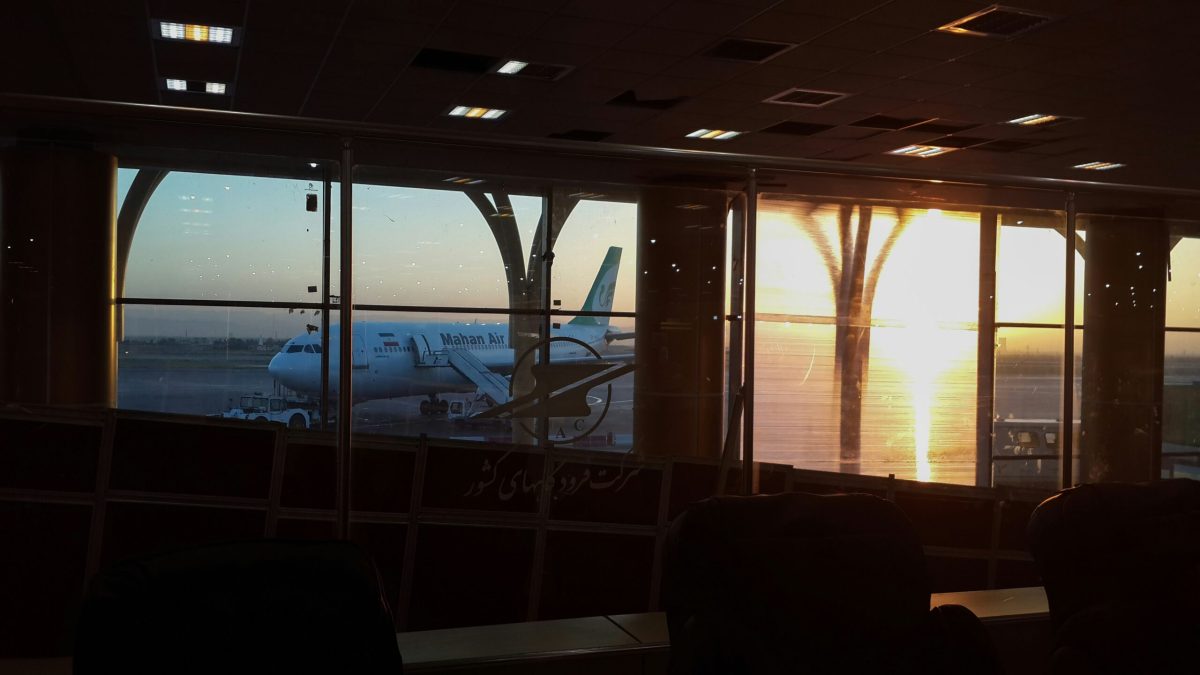
If you have a ticket on an Iranian carrier, now is the time to check your flight status, and then check it again. The latest round of US sanctions has thrown regional aviation into chaos, with flights to some destinations vanishing overnight while others continue as if nothing changed.
The US Treasury's September 8 action put 27 Iranian airlines on its sanctions list, and the effects hit fast. By September 23, services to Baghdad and Muscat had been suspended, and a Varesh Airlines flight from Tehran to Dushanbe was forced to turn back after neighboring countries denied it passage. The same day, Treasury Secretary Scott Bessent claimed that 80 to 90 percent of Iran's external flights had been shut down, a statement that he made in a video posted to social media.
But the reality on the ground is more complicated. While some routes have been cut, others remain open. Mahan Air flights to Guangzhou were still operating, and China has publicly stated that Iranian airlines will continue flying there, according to a statement from the IRNA news agency. Istanbul flights were listed but unstable, with individual departures canceled. The result is a patchwork of availability that changes by route, airport, and even by the hour.
How the Sanctions Work
Washington isn't closing airspace. Instead, it's using the power of the US financial system to make it nearly impossible for Iranian airlines to get the services they need after landing. Fuel, ground handling, maintenance, ticket sales, even payment processing can all become pressure points if providers fear losing access to dollar transactions.
The Treasury's action also suspended three Iran-related aviation authorizations, though it said safety-related requests could still be considered. The stated goal is to cut off the use of civilian aircraft for moving weapons, personnel, and illicit cargo, a claim that Iran and China reject as unilateral and unfair.
What Travelers Should Know
For passengers, the uncertainty is the real problem. A flight might appear on the schedule, but if the airport's fuel contractor or the ticketing agent pulls support, that flight becomes unworkable. Expect short-notice changes, limited rebooking options, and a growing reliance on foreign carriers or overland routes through neighboring countries.
The pain is especially sharp for religious travel. Najaf, a key pilgrimage gateway in Iraq, could absorb some of the demand from Baghdad, but a diversion doesn't solve every onward journey. If more airports follow suit, travelers may be pushed toward hubs like Doha, Dubai, or Istanbul, which means longer connection times and higher fares.
Iranian airlines also face deeper structural problems. Years of restrictions on aircraft, parts, and technical support have left their fleets aging and maintenance challenging. This latest squeeze only adds to the pressure.
A Fluid Regional Map
Compliance with the sanctions will vary. China has publicly opposed the measures and continues to accept Iranian flights, showing the limits of Washington's reach. Iraq's close ties with Iran and the pilgrimage economy around Najaf may encourage efforts to preserve some connectivity. Decisions by Gulf, Turkish, South Asian, and Caucasus airports will determine how much of the network survives.
If you're booked on an Iranian carrier, verify your flight directly with the airline and the departure airport immediately before you travel. Don't rely on a single connection, and check the ticket change and refund conditions. Sanctions compliance decisions can shift quickly, and schedules shown by agents or aggregators may lag behind reality.
For now, the situation remains fluid. The only certainty is that travelers need to stay flexible, keep their plans loose, and be ready to pivot at a moment's notice. For more on how airlines are adapting to global pressures, check out our piece on how jet fuel prices are reshaping winter schedules, or see why Singapore Airlines keeps winning while American carriers struggle. And if you're planning a trip that might be affected, our guide to handling aviation system failures offers some practical tips.