
Picture this: you have a free weekend, a vague craving for coastal views, and zero patience for the usual planning spiral. Google thinks it has the fix. Its AI assistant, Ask Maps, quietly expanded to more than 30 European countries this week, including Germany, Spain, and the UK. The tool, powered by Gemini, turns a few typed sentences into a full day-by-day travel plan, no spreadsheet required.
Ask Maps has been live in the US and India since March, then spread to Australia, Brazil, Canada, Indonesia, Japan, and Mexico. Now that Europe is on board, the feature reaches over 200 countries and territories, according to TechRepublic. The pitch is simple: ask a question in plain language, and the assistant pulls answers from Google's database of more than 300 million places and half a billion contributor reviews. Need a phone charge ASAP? It will point you to a cafe with outlets. Want a lit tennis court at 9 PM? It can find one.
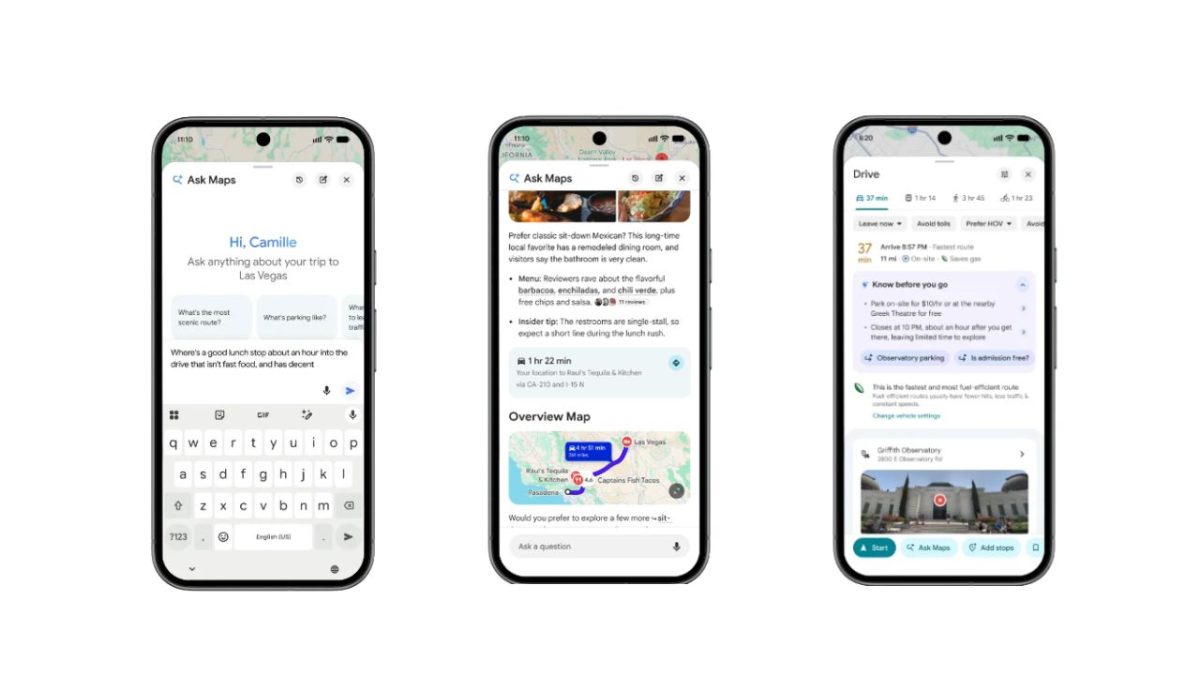
The real showpiece is itinerary generation. Type something like "three-day road trip with coastal hiking and seafront dinners," and Ask Maps returns a structured plan. Google promises a day-by-day schedule with insider tips and numbered map pins for every stop. You can tweak it with follow-up prompts, share it with friends, or export it to Google Docs on desktop. It feels like having a local friend who never sleeps, except this one lives in the cloud.
There's also a clever search tool for your saved places. Instead of scrolling through hundreds of starred spots, you can ask which ones have a table for five in half an hour. Both features work wherever Ask Maps is available, which now includes most of Europe.
Two more tools are launching in the US first, with other regions to follow. The "Know Before You Go" feature gives advance route details like weather, parking, EV charging, tolls, and potential delays. That aligns with a recent ACI survey showing travelers want early, clear warnings about itinerary hiccups. The second tool, an "appointment finder," can hunt for beauty appointments, pet grooming, car repairs, and even call businesses on your behalf. No European launch dates yet, but the direction is obvious.
This rollout follows Google's summer 2025 travel announcements, which included AI Overviews for destination itineraries and a tool that pulls places from your screenshots. The company has admitted results "may vary," so treat them as a starting point, not gospel. That's especially true during busy seasons when opening hours shift and restaurants fill up fast. An AI suggestion is not a confirmed reservation, so always double-check directly with the business.
Travelers are already leaning into AI. Amadeus' "Travel Dreams 2026" report found that 42% use AI for planning and research, 35% use it on the road, and 69% say AI-generated summaries give them enough to decide without extra digging. But experts warn against blind trust. Verify prices, confirm hours, and call ahead, especially around holidays. The tool is a brilliant shortcut, but it's not a substitute for a quick phone call.
For those planning winter escapes, the timing is handy. Europeans are already packing for December trips, and this could save hours of clicking. Just remember that AI is a co-pilot, not the pilot. Use it to sketch the skeleton, then add your own muscle and soul.
If you're curious about how AI is reshaping travel decisions, check out our piece on travelers' preferences for AI in price alerts. And for a cautionary tale about planning mishaps, see tourism's new survival skill. For a lighter note, Google Maps once split Lake Ontario in two, proving even the best maps have off days.