India is experiencing a seismic shift in how its citizens travel. After Prime Minister Narendra Modi encouraged Indians to vacation within their borders rather than abroad, something unexpected happened: people listened. The result is a complete recalibration of the travel industry, with international carriers slashing routes while domestic hotels and vacation rental platforms are seeing bookings climb faster than a monsoon.
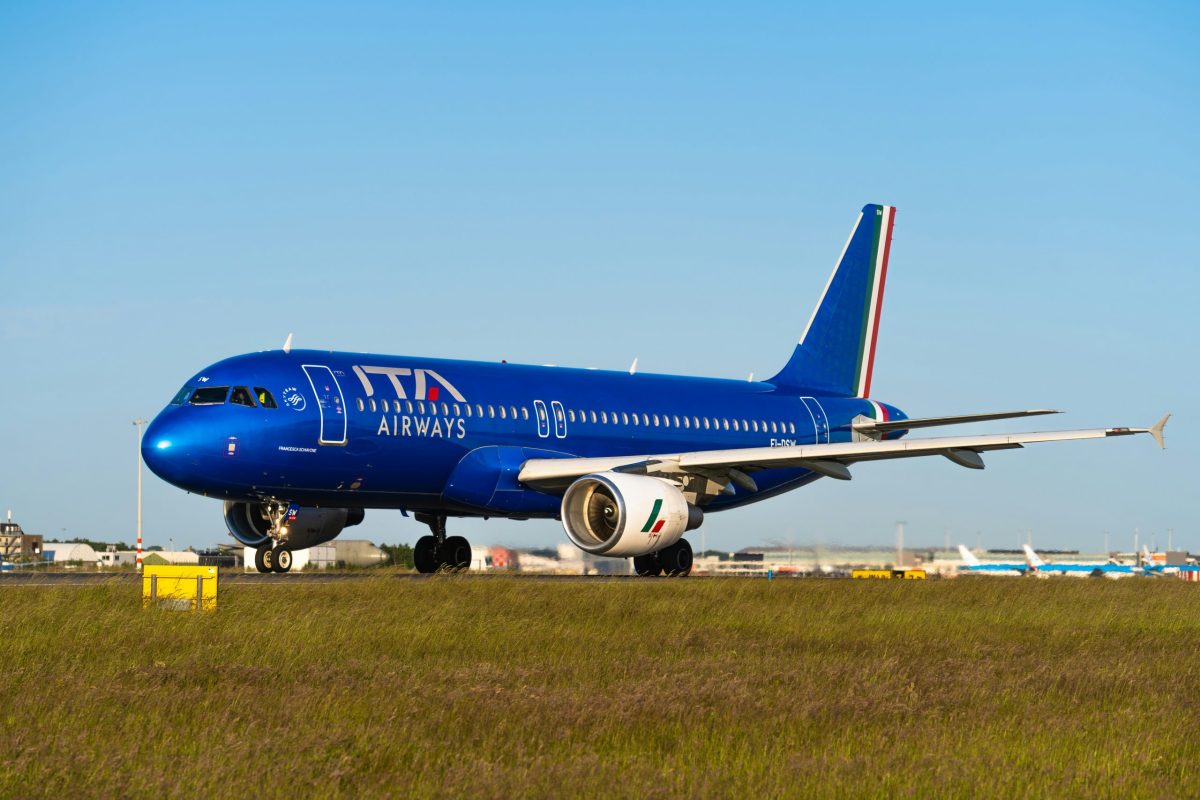
The economic pressures forcing this pivot are real. The Indian rupee has taken a beating against the dollar, losing six percent of its value over the past year. Compounding this problem, geopolitical tensions and soaring jet fuel costs have made international flights prohibitively expensive. Major international routes now require two to four extra hours of flight time due to closed airspace, and airlines are struggling to justify those routes financially. Air India, the national carrier, had no choice but to axe more than 25 percent of its international flights between June and August, cutting frequencies on 40 percent of its remaining routes. Qantas and Thai AirAsia have suspended India connections altogether.
When word spread that Modi was questioning the wisdom of Indians spending money overseas, the response was immediate. Travel operators reported a flood of cancellation requests. This happened right as peak holiday season arrived, when 14 million Indians typically book trips to Southeast Asia and beyond. The timing amplified the impact, turning what could have been a mild preference shift into something closer to a travel redirection program.
How the Numbers Tell the Story
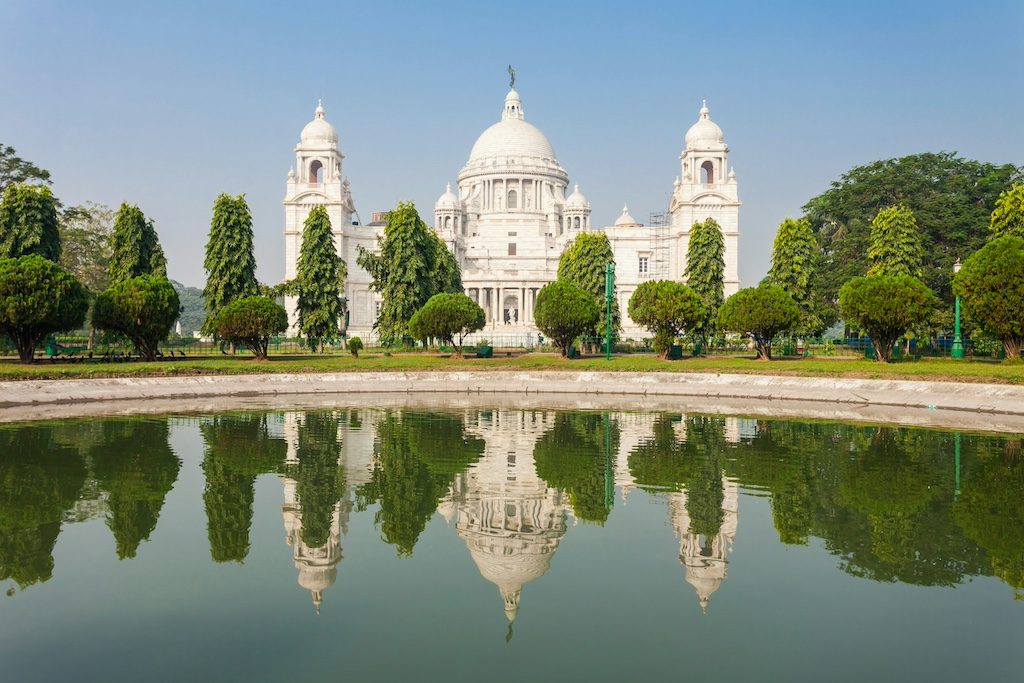
The domestic tourism industry is on fire. Hotels and travel platforms are reporting eye-popping growth. Marriott International's president for the Asia-Pacific region (excluding China) noted that revenue per available room in May bounced back into double digits, with momentum remaining strong. SaffronStays, India's rental accommodation platform, saw May bookings jump nearly 40 percent compared to the previous year, with June reservations trending almost 50 percent higher year-on-year. These aren't incremental gains. These are businesses that have found a new gear.
The hospitality sector needed this boost badly. Earlier this year, roughly 10 percent of Indian restaurants and bars shuttered their doors, with the sector hemorrhaging approximately Rs 79,000 crore in monthly business. Hotels and hospitality operators are cautiously optimistic that Modi's push toward staycations can replace what they're losing from cancelled international arrivals.
The real question hovering over all this: can domestic travelers spend at the same level as international visitors? Tourists from abroad typically spend more freely on premium experiences and high-end accommodations. A family taking a long weekend in Goa may not match the spending power of European travelers or wealthy international business travelers. Still, the sheer volume of 14 million Indians who would normally leave the country represents an enormous pool of potential domestic tourism revenue.
What This Means for Travelers Right Now
If you're planning to visit India this year, you should know that the situation is shifting rapidly. Global tourism markets are responding to policy shifts in unpredictable ways, and India is no exception. Inbound international travel is down roughly 20 percent as a result of flight cancellations, which creates an odd paradox. While fewer international flights exist, demand from both domestic and international visitors is climbing. That pressure typically pushes prices up.
The smart move? Book sooner rather than later. Hotels in major tourist destinations are already feeling the surge of domestic bookings. Flight availability on remaining international routes will likely tighten, and fares tend to follow. The window for finding good rates is closing faster than you'd expect.
One more wildcard looms on the horizon. Indian weddings generate an estimated 6.5 trillion rupees in spending from November through December. If Modi's push toward domestic spending remains strong, and those celebrations stay within India rather than spreading across international venues, the domestic tourism surge could accelerate even further into the final months of the year. The hospitality sector is clearly betting that it will.