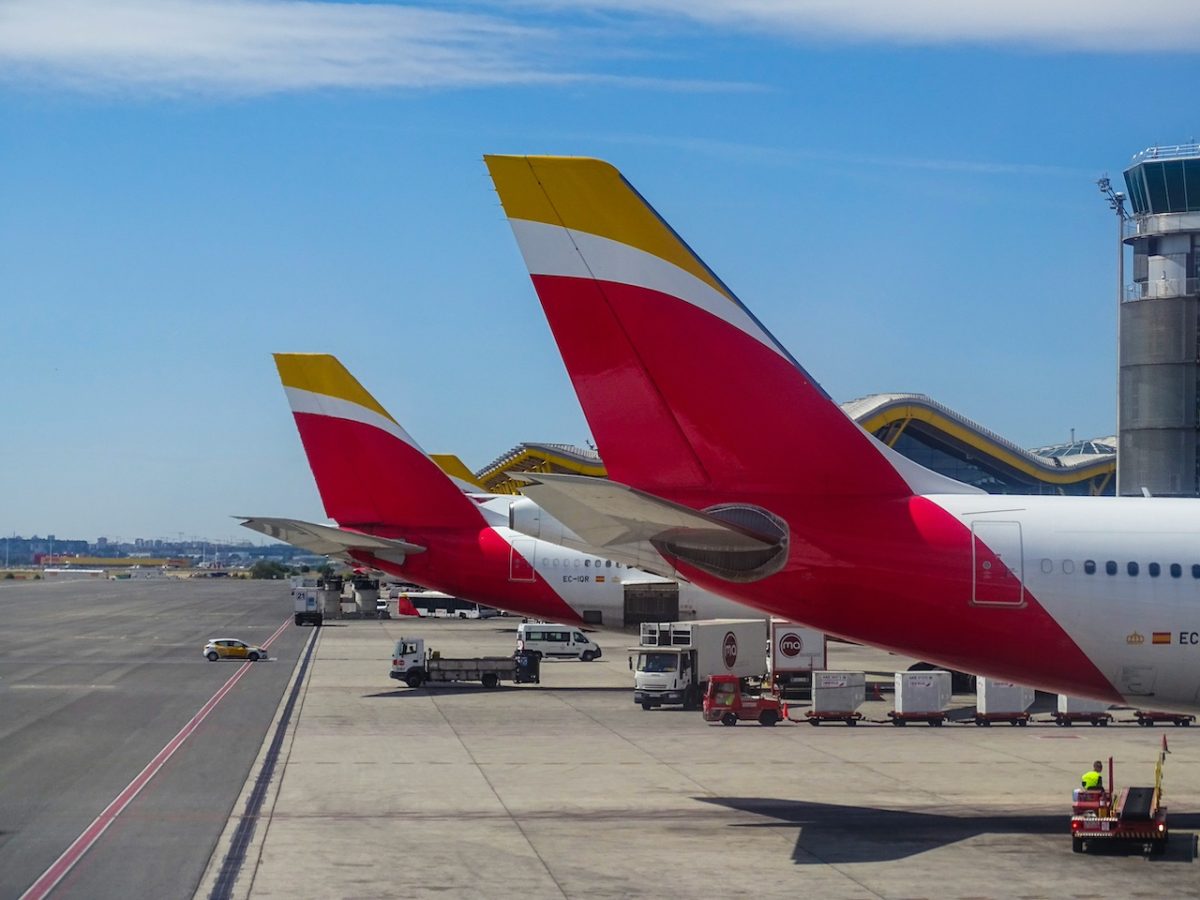
Cuba's travel troubles just reached a new low. Spanish airline Iberia announced this week that it's suspending flights between Madrid and Havana until at least November 2026, extending a pattern of service cuts that started in April. What began as summer route reductions has now become an indefinite pause, and Iberia is far from alone.
The culprit? Jet fuel. The Middle East tensions that have forced airlines to reroute around entire regions have also created a global fuel supply crunch. When the Strait of Hormuz closed in late February 2026, it sent shockwaves through aviation supply chains worldwide. Cuba, already vulnerable due to its isolation and aging infrastructure, has been hit particularly hard. The island's main hub, Jose Marti International Airport, simply doesn't have enough jet fuel to keep flights operating normally.
It's not just Iberia bailing out. Air Canada, Air France, and Turkish Airlines have all suspended Cuban operations due to fuel and logistics nightmares. Air Canada even had to send special charter flights to bring approximately 3,000 stranded passengers home. When multiple global carriers make the same call simultaneously, you know the problem isn't temporary inconvenience. It's structural breakdown.
The ripple effects are devastating for ordinary Cubans and the island's struggling economy. Tourism was supposed to be Cuba's lifeline. Back in 2017, the sector generated $3.3 billion USD in hard currency revenue. But that was before COVID-19, before renewed U.S. sanctions, and before this fuel crisis. Between January and April 2026, Cuba attracted just 328,608 international tourists, down 55.8 percent from the same period last year. That's not a dip. That's a freefall.
The damage extends far beyond empty hotel rooms. Fuel shortages mean power outages lasting hours, gas lines stretching for blocks, and bus services running on skeleton schedules. Banks cut hours. Restaurants close early. Taxi drivers can't find fuel. Hotels can't maintain basic services. Every business that depends on tourists is hemorrhaging money, and every business that tourists depend on is shutting down. It's a vicious cycle.
Cuba's energy crisis didn't start with global geopolitics, but it's been magnified by them. The island relies heavily on fuel imports, and U.S. policy restrictions have made those imports harder to secure. Regional political decisions have compounded what's already a painful structural problem: aging infrastructure, limited economic diversification, and geographic isolation. This isn't a quick fix. This is a country in serious trouble.
For travelers, the message is simple. Getting to Cuba right now is extremely difficult and likely to stay that way. Flight options are evaporating. The services you expect at your destination may not exist. Power could go out. Transportation might be unreliable. You could arrive at a hotel with no hot water and limited food options.
That doesn't mean Cuba is off limits forever. But if you're planning a trip, you need to understand you're traveling to a destination in crisis. Go with flexible expectations, patience, and deep respect for what Cubans are enduring. Book with carriers that are still flying there, book accommodations with strong reviews from recent visitors, and consider whether now is truly the right time for your trip. Sometimes the most responsible choice a traveler can make is to wait.