Picture this: you've booked your dream trip to Paris, imagining a sunset proposal at the Eiffel Tower or a leisurely evening stroll through the Louvre. Then you check your email and learn your carefully planned itinerary just got upended by weather alerts and early closures.
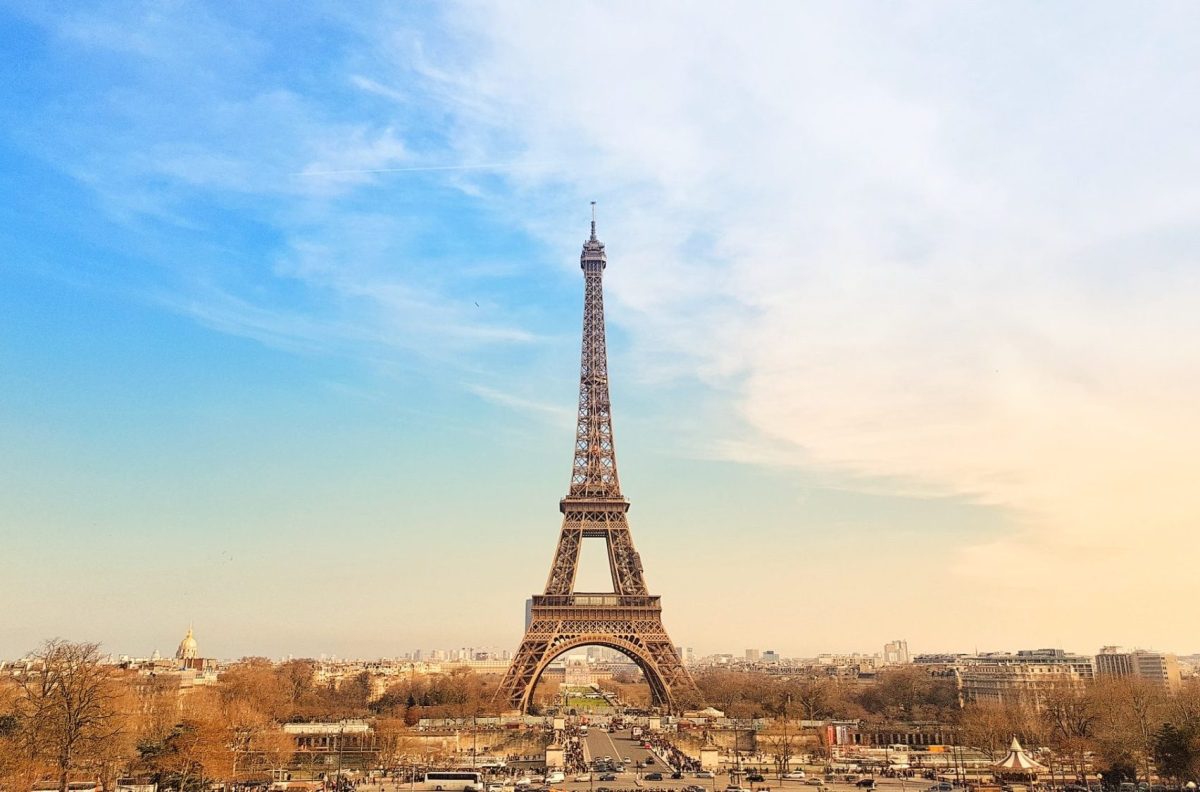
That's the reality hitting thousands of travelers in France right now. An unprecedented heatwave, with temperatures soaring past 40 degrees Celsius, has forced the country's most celebrated attractions to make dramatic operational changes. On Tuesday, June 23, the Eiffel Tower shut its doors at 4 PM instead of staying open into the evening as it normally does during summer. Last entries? Just after noon. The iconic iron monument, which ranks among Europe's most visited landmarks, won't return to normal hours until the heat breaks.
The Louvre followed suit, closing early at 4 PM through at least Saturday with last admissions at 2 PM. Museum officials didn't mince words about the problem, stating that their building is "vulnerable and is not sufficiently adapted to climate change." If you'd already purchased tickets for afternoon time slots, the museum's website promises automatic refunds to your original payment method.
What makes this situation particularly challenging is that France is experiencing what meteorologists are calling one of the most severe heatwaves on record. The country logged its hottest day ever on June 23. This isn't just about discomfort; it's a genuine safety issue. Walking narrow medieval streets during peak heat, climbing 360 steps on an island in blazing conditions, or exploring a massive museum without proper climate control becomes genuinely dangerous.
Mont Saint-Michel, France's most visited attraction outside the capital, has outright asked visitors to postpone their trips during the heat alert. The Norman island's steep, winding pathways and stone architecture offer little reprieve from the sun. Over at the Dune du Pilat on Arcachon Bay, authorities are warning visitors that the sand becomes scorching hot and there's no water or shade at the ridge. They're recommending people avoid climbing during the hottest hours entirely.
Travel infrastructure across the continent is feeling the strain too. Eurostar is running reduced service between London and Paris, while numerous train lines across Europe have cancelled services due to concerns about heat damage to tracks and infrastructure. If you're planning to visit France during a heatwave, traveling during extreme weather events requires serious planning adjustments.
For anyone already in France with prepaid tickets, both major attractions are handling refunds automatically. But the broader lesson here is uncomfortable: even the world's most beloved monuments aren't designed to operate safely when temperatures reach these extremes. This situation reflects larger questions about how European tourism destinations need to adapt their infrastructure for our changing climate.
If you're considering a summer trip to France, check weather forecasts carefully and build flexibility into your itinerary. Early mornings are becoming the golden hours for sightseeing. Bring more water than you think you'll need. Take frequent breaks in shaded areas or air-conditioned spaces. And consider that some attractions may issue last-minute closures, so having a backup plan is no longer optional,it's essential travel sense.