The numbers look spectacular on the surface. Europe welcomed more than 3 billion nights in tourist accommodations in 2025, a record that keeps climbing. Visitors arrived in record numbers too: 582 million international tourists set foot on European soil that year, making up roughly 38% of all global tourism. For anyone running a hotel, a restaurant, or a tour company, this sounds like the dream scenario.
But here's the uncomfortable truth hiding in the latest European Commission data: the transport system carrying all these travelers still runs almost entirely on oil. In 2024, oil-derived fuels accounted for 92.3% of all energy consumed by European transport. That's not a typo. Despite years of talk about green transitions and electric futures, the continent remains locked into petroleum-powered mobility.
The scale is staggering. Transport consumes nearly a third of the EU's total energy use. The latest Transport and Tourism in the European Union report reveals just how concentrated this dependency is: road transport takes the lion's share at 73.1% of all transport energy, while international maritime shipping adds another 11.2% and aviation contributes 11.1%. These numbers tell a story of a continent moving millions of people every year on a foundation that was laid nearly 150 years ago.
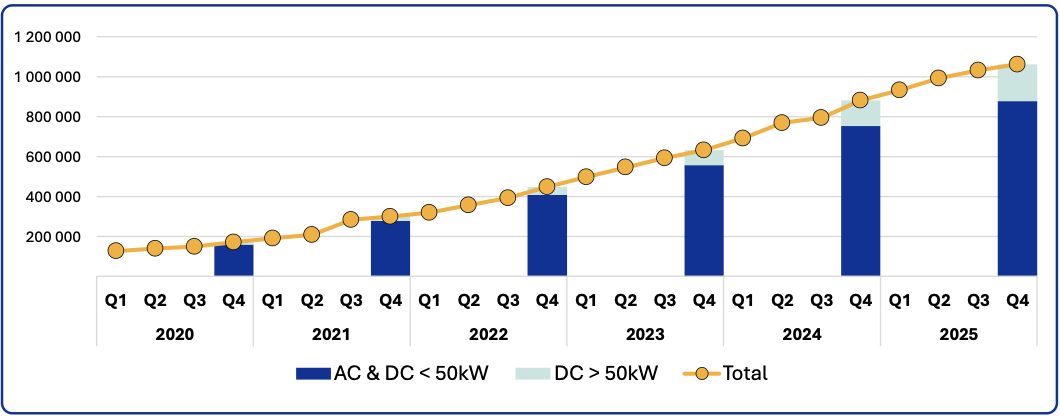
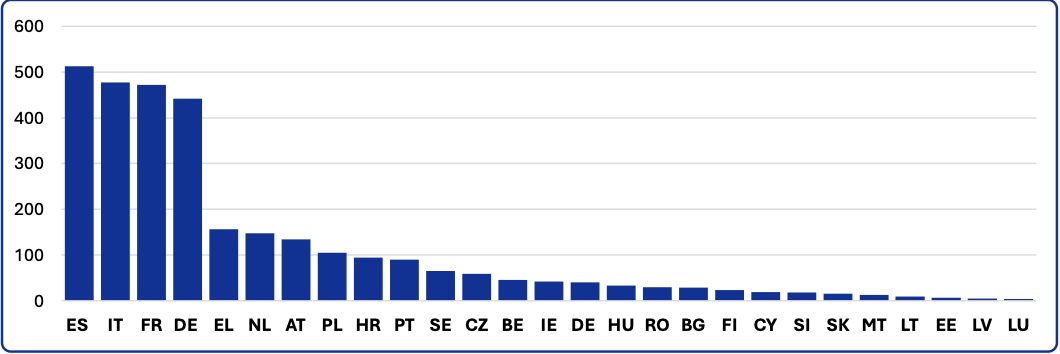
The good news? Infrastructure is shifting, and it's happening faster than most people realize. Electric vehicle charging points across the EU exploded from roughly 130,000 in 2020 to more than 1 million by 2025. That's a 735% jump in five years. Rail electrification is more uneven, though 57.4% of active rail networks were electrified by 2023, and around 80% of actual rail traffic already runs on electric lines. Travelers are catching on too, with more people choosing trains over flights for regional journeys. The EU's high-speed rail network stretched to roughly 12,000 kilometers by 2023, with Spain and France anchoring most of that expansion.
Yet the contradiction is impossible to ignore. Aviation energy consumption doubled between 1990 and 2024 while these alternatives expanded. More people are flying to Europe than ever before. More people are driving. The transition is real, but demand is growing faster than infrastructure can adapt.
The tourism concentration problem makes matters worse. Just seven regions devour nearly 20% of all overnight stays: the Canary Islands, Croatia's coast, the Île-de-France region around Paris, Cataluña, Andalucía, Veneto, and the Balearic Islands. This means massive transport flows funnel to the same popular destinations repeatedly. Add brutal seasonality into the mix (42% of all overnight stays happen in just July and August), and you get overwhelming congestion in specific places at specific times, all powered by fossil fuels. Towns like Varenna in Italy are already fighting back with strict visitor caps.
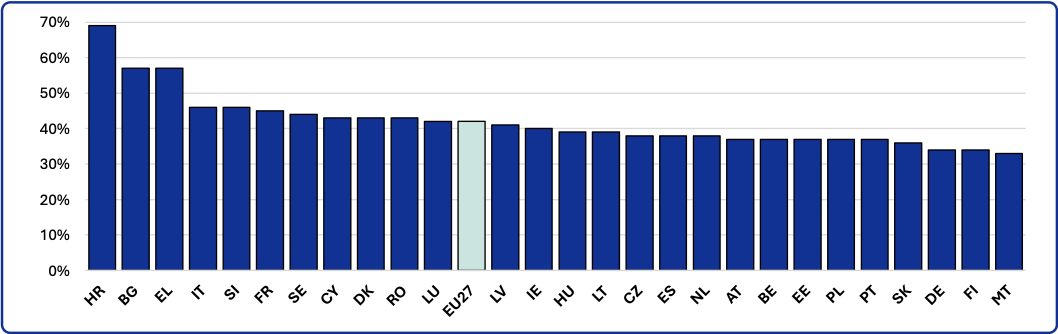
The economic engine behind all this activity is substantial. EU residents alone spent an estimated 618 billion euros on tourism trips in 2024. That spending spreads across domestic trips, journeys within Europe, and global vacations. The tourism industry employs 10.4 million people across 1.4 million companies, mostly small businesses that lack the resources to overhaul their transport connections or sustainability practices independently.
Europe's share of global tourism actually fell from 47% in 2022 to 38% in 2025, even as absolute visitor numbers climbed. This suggests the world is spreading tourism more evenly across continents. Yet the pressure on classic European destinations keeps intensifying. SMEs represent 99.9% of tourism businesses, and they're caught between growing demand, staff shortages, digital disruption, and pressure from large tour operators and online platforms they depend on.
The European Commission is aware of the tension. A new Sustainable Tourism Strategy arrives in 2026 with promises to build a more competitive, sustainable, and inclusive tourism model. Whether that strategy can actually accelerate the transport transition while managing the visitor explosion remains the defining question for European travel.