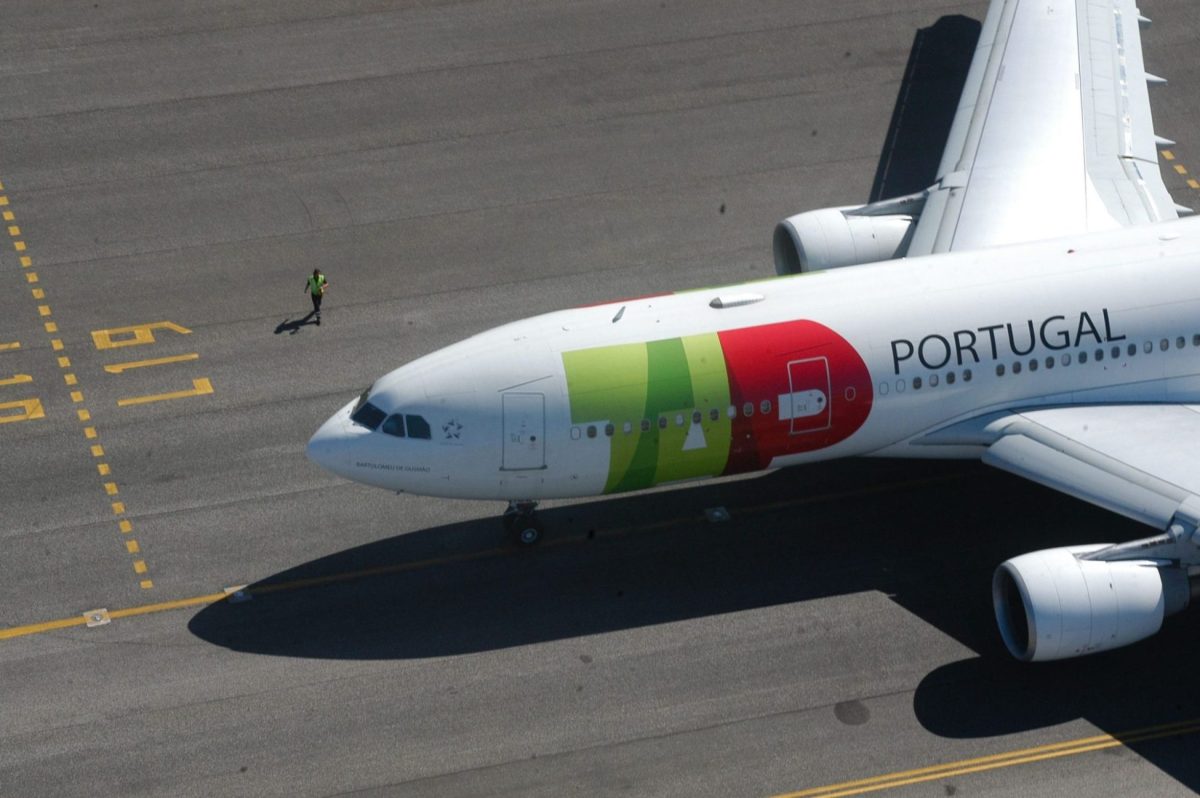
Portugal's push to revitalize its national airline TAP has entered its most critical phase. After months of deliberation, the government confirmed that Air France-KLM and Lufthansa have submitted binding offers to acquire a significant stake in the carrier, with a winner expected to emerge within weeks.
The deal would hand over nearly half of TAP's ownership to a strategic investor while the Portuguese government retains majority control. Up to 49.9% of shares are up for grabs, with 5% set aside for the airline's employees. Both aerospace behemoths have been given a final window to refine their proposals, and based on preliminary assessments, the valuations are surprisingly close enough to warrant deeper negotiations.
Why Portugal Is Selling a Piece of Its Airline
TAP hasn't been thriving in recent years. The carrier posted €99 million in losses during the first half of 2026, squeezed by soaring jet fuel prices on top of billions in pandemic relief it received. When Luís Montenegro's government revived the privatization effort in 2025, the goal was clear: bring in a heavyweight partner who could amplify TAP's international reach, boost capacity, and sharpen its competitive edge without losing public control.
What makes TAP genuinely valuable isn't just any route network. The airline controls access to something most carriers would envy: extensive connectivity to Brazil and Portuguese-speaking African cities like Luanda, a critical business hub. Add in strong routes to the United States, and you have a gateway that serves diaspora communities, tourists, and investors who rely on these connections. That's serious leverage in negotiations.
Two Very Different Visions for the Carrier
Air France-KLM came to the table with an ambitious strategic blueprint that spans the entire business. Their proposal covers passenger operations, cargo expansion, and aircraft maintenance (a highly profitable segment). The Paris-Amsterdam alliance is backed by its transatlantic partner Delta Air Lines, suggesting they're thinking big about repositioning TAP as a key hub for intercontinental travel. Air France has deep pockets and European network clout, making them a formidable contender.
Lufthansa, meanwhile, is signaling its interest in building a long-term partnership. The German carrier hasn't released details of its offer publicly, but the group is known for integrating airlines into a broader European network strategy (think how they've managed Eurowings and Brussels Airlines). For Lufthansa, TAP's Brazilian routes would fill gaps in their own route map and strengthen their competitive position against Middle Eastern carriers.
A third bidder, International Airlines Group (owner of British Airways and Iberia), dropped out in April, deciding that a minority stake didn't fit their corporate strategy. That left the field to these two heavyweights.
What Government Leaders Are Actually Looking For
Minister António Leitão Amaro has made clear that price isn't the only measurement. The winner must commit to expanding operations across Portugal's entire airport network, not just Lisbon. That means strengthening connectivity in Porto, Faro, the Azores, and Madeira. The government wants an investor who sees potential beyond the capital.
If negotiations close as expected, the winning bidder could begin co-managing the airline alongside existing leadership by 2026, though the actual capital injection probably won't happen until summer 2027. That timeline gives TAP runway to prepare for the transition.
One more card in Portugal's hand: the government reserves the right to sell the remaining 50.1% stake to another strategic investor later, should circumstances warrant it. That flexibility could unlock additional value down the road and keeps options open for future restructuring.
What This Means for Travelers
For passengers, an injection of capital and strategic partnership could bring fresher aircraft, expanded route networks, and improved reliability. Higher competition in aviation often drives innovation in customer experience and pricing. Whether Air France-KLM or Lufthansa wins, both are established European carriers with experience managing complex multi-hub operations, so operational standards shouldn't suffer.
The real story is Portugal's attempt to keep its national carrier relevant in an industry where scale matters immensely. TAP operates in a competitive space dominated by larger European networks and aggressive low-cost carriers. A partnership with either of these giants could be the lifeline the airline needs, or it could reshape how Portuguese travelers connect to the world. Weeks ahead will tell which vision wins out.