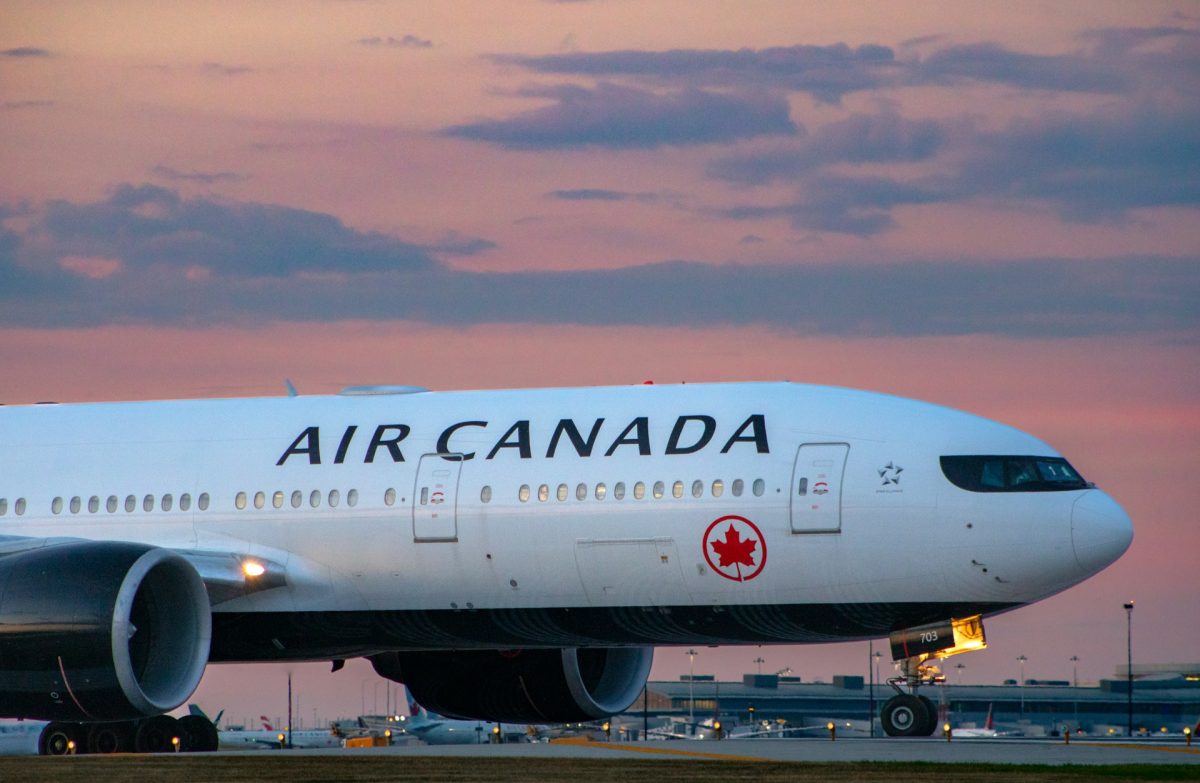
Air Canada isn't thinking small anymore. The airline just announced what it's calling the largest intercontinental expansion in its entire history, rolling out five brand new international destinations and seven additional routes starting summer 2027. The move signals serious confidence in post-pandemic travel demand and reflects a strategic shift to position Canada as a major player in global connectivity.
The headline-grabbing move? A new year-round service launching May 4, 2027, between Vancouver and Guangzhou, China. This makes Air Canada the only North American carrier serving this major economic hub. It's a calculated play. Guangzhou becomes the airline's third mainland Chinese destination (after Beijing and Shanghai), pushing weekly flights to these three cities to 24 total. That's the kind of frequency that transforms a route from occasional to essential for business travelers and frequent flyers alike.
Toronto gets the star treatment too, with a new daily connection to Shanghai plus fresh routes to Oslo, Shannon, and Nice. Meanwhile, Montreal will finally get direct access to Basel and Dubrovnik, opening doors to Switzerland's alpine escape routes and Croatia's crystalline Adriatic coastline. For travelers already familiar with Montreal's Caribbean offerings, the airline will convert seasonal runs to Tenerife, Lima, and Guatemala City into year-round operations. A Toronto-Guatemala City service launching December 2026 also goes permanent by May 2027.
All this expansion runs on Air Canada's new generation of long-range aircraft, primarily the Airbus A321XLR and wide-body jets. These planes are workhorses designed to handle long intercontinental hauls efficiently, which means more seats, better fuel economics, and ultimately more competitive pricing for passengers. By summer 2027, Air Canada plans to operate more than 125 international routes, offering nearly 170,000 seats weekly from Canada to over 85 global destinations.
What This Means for the Economy and Your Wallet
The numbers behind this expansion are staggering. Air Canada expects to create over 1,500 direct jobs by 2028 and inject more than C$7 billion annually into Canada's GDP. Government and airport stakeholders are cheering the move, recognizing it as a catalyst for international trade and tourism. British Columbia Premier David Eby was particularly enthusiastic about the Guangzhou route, calling it essential to strengthening economic ties with one of China's largest business centers during uncertain global times.
For budget-conscious travelers, the practical impact is clear. More capacity means more competition, which traditionally drives prices down on these routes. More frequent service means better scheduling options and shorter wait times between flights. If you've been eyeing those European getaways or dreaming of exploring Asia, 2027 is shaping up to be the year to lock in your plans.
Mark Galardo, Air Canada's Executive Vice President and Chief Commercial Officer, promised more "exciting network announcements" in coming months. He positioned this expansion as foundational to the airline's "New Frontiers" strategy, emphasizing that connecting people across continents isn't just about filling seats. It's about building bridges between markets, enabling trade, and creating pathways for tourism that didn't exist before.
The reality is that summer travel already puts pressure on airports and airlines, and adding this much capacity requires serious operational precision. Still, Air Canada is betting that demand justifies the risk. Whether you're a business traveler chasing connections or an adventurer plotting your next escape, summer 2027 is shaping up to be a turning point for how easily you can get from Canada to almost anywhere on Earth.