Starting Monday, Brussels becomes the unlikely epicenter of a continental conversation about gin, whiskey, brandy, and the future of Europe's entire spirits sector. Spirit of Life Week, running through September 10 at Bump (right across from the European Parliament building), marks the first time spiritsEUROPE has brought producers, regulators, hospitality leaders, and politicians together for this kind of coordinated push.
The timing is strategic. Europe's distillers face mounting pressure on multiple fronts. Trade barriers are strangling transatlantic commerce. Tariffs on EU spirits exports to India have historically climbed as high as 150 percent. Public health debates keep circling back to alcohol regulation. Meanwhile, the sector wants credit for sustaining rural agriculture, supporting local hospitality venues, and anchoring tourism experiences across the continent. This week offers a chance to make that case in person, in the halls where decisions actually get made.
New leadership, familiar battles
Patrick Piana (Managing Director Europe at Campari Group) recently took over as President of spiritsEUROPE, succeeding Ian McLernon. He's signaling five priorities for his two-year term: keeping European producers competitive, advancing sustainability, securing market access internationally, improving digital consumer transparency, and normalizing discussions around responsible drinking. Piana is also pushing hard for the industry to get recognized for its contributions beyond just what ends up in your glass, from supporting farmers to keeping neighborhood bars alive.
The organization's Director General, Mark Titterington, is also relatively fresh in the role, having arrived from a background spanning agri-food policy and public sustainability work. His appointment reflects where the industry thinks its battles will be won or lost: in the overlap between agriculture, regulation, and consumer behavior.
Trade wars that hit your local distillery
The most visible fight is over tariffs. spiritsEUROPE has been campaigning hard for the EU and United States to restore the "zero-for-zero" tariff arrangement that used to exist on spirits between the two markets. The association argues that restoring reciprocal zero tariffs would support producers and investment on both sides of the Atlantic, and in May they called for swift implementation after a European Parliament vote on the broader EU-US trade framework.
But the association isn't focused only on America. spiritsEUROPE has enthusiastically backed new trade agreements with India, Mercosur, and Australia. The EU-India agreement is being hailed as a game changer, since tariffs will be cut in half upon entry into force, then gradually decline to 40 percent. That shift could unlock entirely new markets for European distillers.
Responsible drinking isn't a dirty phrase
The industry's public stance on alcohol consumption matters more than many casual drinkers realize. spiritsEUROPE insists the future lies in quality and appreciation, not volume. Tuesday's session called "All in Moderation" will directly address responsible consumption, exploring education and targeted interventions to reduce harmful drinking patterns. The association opposes blanket bans on advertising and broad tax increases, but it's clear the sector knows it needs to own the conversation around moderation rather than cede it entirely to health advocates.
European Commissioner for Agriculture and Food Christophe Hansen is expected to deliver a keynote address on Wednesday, focusing on how spirits production connects to European farming and the broader agri-food system. That conversation recognizes something travelers often overlook: distilleries depend on grain, fruit, and botanicals. They're tied to rural economies and agricultural heritage in ways that go far beyond the final bottle.
Belgium takes center stage
As host of this inaugural edition, Belgium isn't just lending its infrastructure. Monday's opening reception will showcase Belgian producers like Filliers, FX de Beukelaer (famous for Elixir d'Anvers), and the Ferme de Mont-Saint-Jean distillery in Waterloo. Visitors will get a window into local craft traditions and family-run operations that have survived for generations.
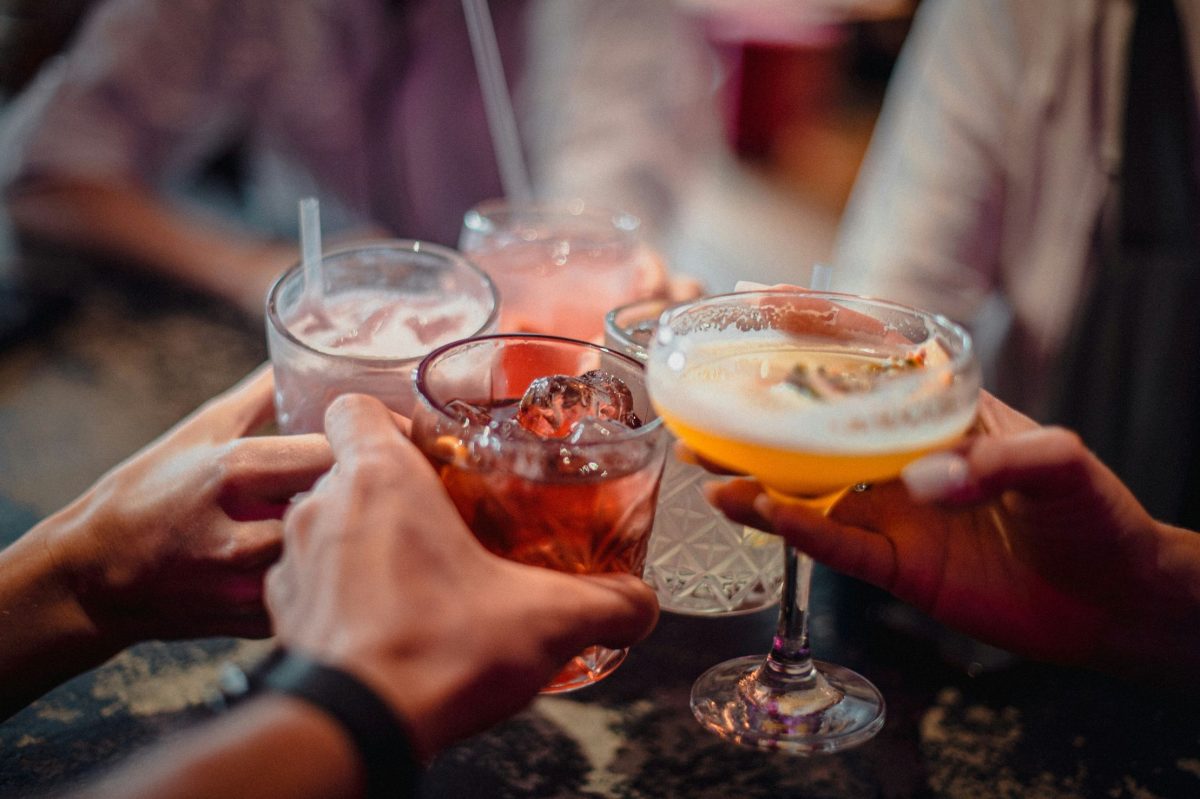
The opening evening also frames a larger theme: the role of convivial gathering spaces in European culture. Cafes, bars, and restaurants aren't just commercial establishments. They're social anchors, places where communities congregate. The spirits industry is making the case that its products help sustain those venues and the human connections they enable.
Why distilleries have become tourist destinations
Thursday's sessions turn to tourism and experience economy. Distillery visits, tasting routes, spirits museums, and cocktail culture increasingly shape how travelers encounter European destinations. Visitors can watch how gin is made in London, tour brandy estates in Cognac, or learn whisky history in Scotland. These aren't peripheral attractions; they're legitimate draws that connect travelers to heritage, local products, and hospitality.
The discussion will bring together industry figures like Eduardo Santander (Executive Director of the European Travel Commission) and Serge Guillou (Vice-President of the International Bartenders Association), alongside distillers and heritage specialists. For travelers planning European trips, this conversation matters because it shapes which experiences get funded, promoted, and made accessible.
Spirit of Life Week is really two events happening at once. On the surface, it's an industry showcase with tastings and craft demonstrations. Beneath that, it's a strategic positioning effort. By locating themselves steps from the European Parliament and mixing product experience with policy discussions, Europe's spirits producers are arguing they deserve a seat at the table when Europe decides what it values, how it trades, and which economic models survive.